2026 Top Carbide Saw Blades for Global Buyers Guide?
In the world of woodworking and metalworking, understanding the right tools is essential. Among these tools, carbide saw blades stand out for their durability and precision. They offer superior cutting performance, making them a favorite among professionals.
Choosing the best carbide saw blades can be overwhelming. There are numerous brands and specifications to consider. Factors such as material type, thickness, and tooth design play a significant role in performance. It's important to recognize that not all blades are created equal; some may underperform in demanding applications.
Global buyers often face confusion about which carbide saw blades provide the best value. While price is a consideration, quality should not be compromised. Investing in high-quality blades leads to better results and greater efficiency in the long run. This guide aims to clarify the options available in the market and help you make informed decisions.

2026 Carbide Saw Blades Market Overview and Trends Analysis
The carbide saw blades market is experiencing significant transformations, emphasizing efficiency and durability. According to a recent industry report, the global market for carbide saw blades is projected to reach approximately $3.5 billion by 2026. This growth is driven by increased demand in woodworking and metalworking sectors.
One prevailing trend is the rising acceptance of advanced coatings. These coatings enhance blade life and cutting performance. For instance, blades coated with titanium nitride often outperform their uncoated counterparts by up to 40% in lifespan. However, this innovative approach also raises questions regarding sustainability and material waste.
User feedback indicates variable satisfaction with performance claims. Some users report overestimation of lifespan in actual conditions. This discrepancy highlights the need for more rigorous testing processes in product development. Furthermore, accurate user experience data can guide manufacturers in refining their offerings. Addressing these concerns might improve industry standards and consumer trust.
Top Manufacturing Brands Leading the Global Carbide Saw Blade Industry
The carbide saw blade industry is experiencing substantial growth, driven by advancements in manufacturing and increased demand in various sectors. A recent report indicates a projected CAGR of 5.7% in the global carbide saw blade market, suggesting heightened competition among leading manufacturers. These brands focus on innovation, with an emphasis on enhancing cutting precision and durability, crucial factors for industries ranging from woodworking to metal fabrication.
Leading manufacturers utilize advanced materials and cutting-edge technologies. They invest in research, aiming to improve the performance of carbide saw blades. Reports highlight that precise manufacturing leads to longer tool life and reduced operational costs for businesses. However, buyers must navigate numerous options, some of which may not meet their specific needs. It's essential to evaluate performance reports and consult industry reviews.
Tips: Always check specifications before purchasing. Different applications require different blade characteristics. Additionally, remember that rankings can change; what excels today may falter tomorrow. Regularly review industry trends and seek expert insight for informed decisions. Understanding these dynamics will help you choose the right carbide saw blades effectively.
Technological Innovations in Carbide Saw Blade Design and Materials
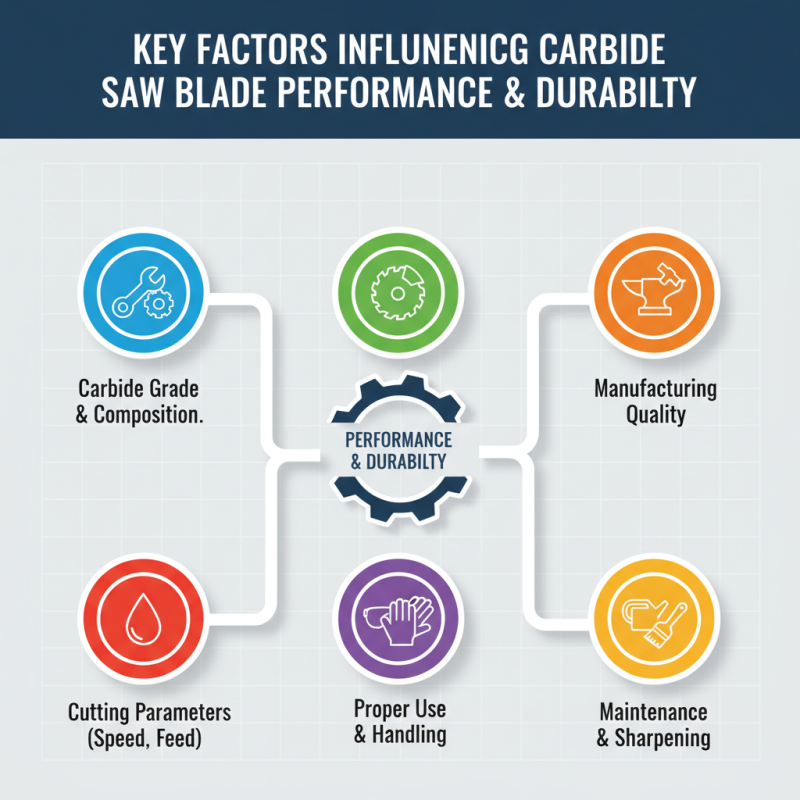
The design and materials of carbide saw blades have seen remarkable advancements in recent years. These innovations greatly enhance performance, durability, and precision. Many manufacturers focus on improving the cutting edges using modern coatings. These coatings reduce friction and increase resistance to wear. The result? Longer-lasting blades that maintain sharpness for extended periods.
In addition to coatings, blade geometry has also evolved. Manufacturers experiment with various tooth configurations. This experimentation aims to optimize cutting efficiency across different materials. Some blades feature alternating tooth designs that reduce chipping. Others adopt specialized patterns to improve chip removal, enhancing the overall cutting experience.
Tips: When selecting a carbide saw blade, consider the material you’ll be cutting. Choose a blade that’s optimized for that specific material for better results. Regular maintenance can also prolong the life of your blades. Clean and inspect them often, replacing any dull or damaged ones as needed.
Comparative Analysis of Carbide Saw Blades for Different Applications
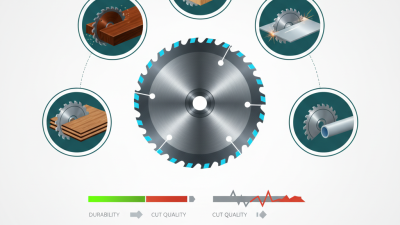
When selecting carbide saw blades, understanding their application is crucial. Different tasks require unique blade characteristics. For instance, woodcutting demands blades with balanced tooth geometry for smooth finishes. In contrast, metal cutting needs blades with higher durability and heat resistance. Each application transforms how blades perform and wear over time.
Factors like the material being cut significantly affect blade selection. Thin blades may excel at precision cuts but can struggle with thicker materials. Blade thickness and tooth count directly influence cutting speed and quality. Inappropriate choices might lead to burn marks or rough edges. The variance between high-end and budget-friendly options often comes down to longevity and performance.
Reflection on personal experiences matters with blade selection. A superior blade might not be necessary for a casual DIY project. Yet, investing in better blades can pay off for professionals. It’s about finding balance, observing the outcomes, and making adjustments. Learning from mistakes can lead to stronger decisions about future purchases.