Top Benefits of Using Polished Tungsten Plate in Modern Industry?
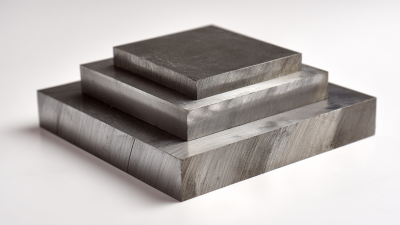
In modern industry, the demand for high-performance materials is increasing. One such material that stands out is the Polished Tungsten Plate. This plate offers significant advantages that enhance productivity and efficiency. Its durability is noteworthy. Polished Tungsten Plates resist damage from wear and tear, making them ideal for various applications.
The surface finish of these plates is exceptional. A polished surface ensures better performance in many industrial processes. Industries relying on precision can greatly benefit from using Polished Tungsten Plates. However, not all applications may suit this material. Some users may face challenges regarding cost-effectiveness and availability.
Furthermore, while the benefits of Polished Tungsten Plates are clear, one must also consider the limitations. Sourcing high-quality plates can sometimes be an issue. The choice between different materials should always involve careful evaluation. Embracing innovation is important, but it requires a nuanced approach to material selection.

Advantages of Polished Tungsten Plates in Manufacturing Processes
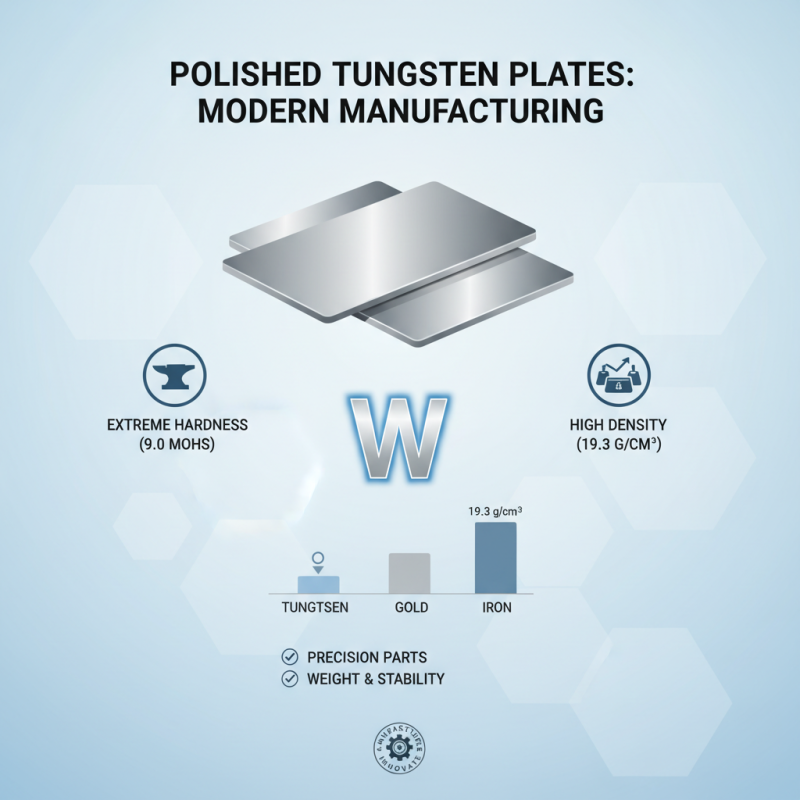
Polished tungsten plates are gaining interest in modern manufacturing processes due to their unique properties. The high density and hardness of tungsten make it ideal for precision parts. Data shows that tungsten's density is about 19.3 g/cm³, making it one of the heaviest metals. This feature offers significant advantages in applications requiring weight and stability.
The smooth surface finish of polished tungsten plates enhances performance. It reduces wear and extends the lifespan of components used in harsh environments. For instance, studies indicate that polished surfaces reduce friction by up to 50% compared to untreated surfaces. This aspect is particularly beneficial in aerospace and automotive industries where tolerances are critical.
Despite these advantages, there can be challenges. The cost of polished tungsten plates is higher than other materials. Manufacturers must weigh the benefits against the investment. Additionally, machining tungsten can be difficult due to its hardness, which requires specialized tools. This complexity can lead to increased manufacturing time and costs. Companies must consider how to integrate polished tungsten effectively while managing these hurdles.
Enhanced Durability and Resistance Properties of Tungsten Materials
Polished tungsten plates offer exceptional durability and resistance properties, making them a preferred choice in modern industries. Tungsten has a high melting point of about 3,422°C, which allows it to perform well under extreme temperatures. This unique characteristic makes polished tungsten plates ideal for applications in aerospace and defense sectors. A recent industry report indicated that the demand for tungsten in high-temperature environments is expected to grow by 30% over the next five years.
In addition to thermal stability, tungsten plates are known for their remarkable resistance to wear and corrosion. They can withstand harsh environments without significant degradation. This resilience results in lower maintenance costs, ultimately improving operational efficiency. One study showed that materials like polished tungsten can last up to three times longer than traditional metals in rigorous settings. However, while tungsten's benefits are clear, its high cost and difficulty in machining can be drawbacks that may require careful consideration.
Polished tungsten also offers excellent density, which is crucial for applications requiring heavy materials in compact forms. Its density is about 19.25 g/cm³, surpassing that of lead. This makes it useful for radiation shielding and counterweights. Yet, this very density can pose challenges in transportation and handling. Industries must weigh these factors wisely to maximize the advantages of polished tungsten plates while mitigating potential downsides.
Applications of Polished Tungsten Plates in Aerospace and Automotive Industries
Polished tungsten plates have gained traction in various modern industries, notably aerospace and automotive. These plates offer unique advantages due to their exceptional strength and durability. In the aerospace sector, polished tungsten plates are used in critical components that endure extreme conditions. Their high melting point and resistance to deformation make them suitable for high-performance engines.
In automotive applications, polished tungsten plates are utilized for components like heat shields and wear-resistant parts. These plates can withstand elevated temperatures while maintaining their structural integrity. However, the cost of polished tungsten can be a hurdle for some manufacturers. Evaluating the balance between performance and cost is essential.
Reflections on production techniques reveal that achieving the desired polish can sometimes lead to inconsistencies. While polished tungsten has incredible properties, the processing can be tricky. Manufacturers must constantly adapt to ensure quality. Overall, the benefits are significant, but challenges persist.
Top Benefits of Using Polished Tungsten Plate in Modern Industry
This chart represents the top five benefits of using polished tungsten plates in modern industry, particularly in aerospace and automotive applications. The benefits are scored on a scale from 1 to 10, highlighting durability, heat resistance, corrosion resistance, weight efficiency, and cost-effectiveness as key advantages.
Cost-Effectiveness and Longevity of Tungsten Plates in Industrial Use
Polished tungsten plates have gained popularity in various industrial applications. Their cost-effectiveness and longevity make them an attractive option. Tungsten has a high density, which enhances its durability. It withstands extreme temperatures and intense wear. This makes it suitable for a range of sectors, from aerospace to medical equipment.
Using tungsten plates can reduce replacement costs. Long-lasting materials mean fewer downtime issues. Industries that rely on heavy machinery benefit greatly from this. However, initial investments can be higher than other materials. Can you justify the upfront costs with long-term savings? Assess your needs carefully.
Tips: Always evaluate your specific application before choosing materials. Not all projects require the same properties. Consider the environment where your tungsten plate will be used. Proper maintenance can enhance the lifespan even further. Another point to reflect on is the sourcing of tungsten. Ensure you understand the supply chain implications.
Comparison of Polished Tungsten Plates with Other Materials in Industry
Polished tungsten plates boast unique properties that set them apart from traditional materials. With a density nearly 1.7 times greater than steel, tungsten plates provide superior strength and durability. This makes them ideal for industries requiring robust components. For instance, aerospace manufacturers seek materials that withstand high stress and temperature. Tungsten plates excel in these demanding environments.
In comparison to materials like aluminum or steel, polished tungsten offers better wear resistance. According to industry reports, tungsten can endure excessive stress without significant deformity. This capability reduces maintenance costs and enhances overall equipment longevity. While polished tungsten plates are not lightweight, their performance justifies the weight trade-off in many applications.
However, some challenges exist. Polished tungsten plates can be more expensive to produce. This cost factor may deter certain industries from fully adopting tungsten. Despite this, the long-term savings from reduced wear and tear make it a worthwhile investment. Decisions surrounding material selection should consider not just the immediate costs but also the potential for future savings and efficiency gains.
Top Benefits of Using Polished Tungsten Plate in Modern Industry
| Material |
Density (g/cm³) |
Hardness (HV) |
Melting Point (°C) |
Thermal Conductivity (W/m·K) |
Corrosion Resistance |
| Polished Tungsten Plate |
19.3 |
400 |
3422 |
173 |
Excellent |
| Stainless Steel |
7.9 |
200 |
1400 |
15 |
Good |
| Aluminum |
2.7 |
70 |
660 |
205 |
Moderate |
| Titanium |
4.5 |
350 |
1668 |
22 |
Excellent |