Top 10 Benefits of Using Blank Carbide Plates in Manufacturing?
In the world of manufacturing, efficiency and precision are crucial. One material that stands out is the Blank Carbide Plate. This versatile product plays a significant role in various industrial applications. Its durability and hardness make it ideal for harsh environments, where wear and tear are common.
Blank Carbide Plates offer numerous advantages. They enhance production rates and reduce maintenance costs. Manufacturers often rely on them for tools and components that require extreme resilience. However, sourcing high-quality plates can be challenging. Not all suppliers meet the necessary standards.
Consider the potential drawbacks too. While Blank Carbide Plates provide great benefits, they can be expensive. Investing in these plates requires careful financial planning. Moreover, not every application needs this level of material. It’s essential for manufacturers to assess their specific needs. Ultimately, choosing the right materials, like Blank Carbide Plates, can lead to improved performance and productivity in manufacturing processes.

Advantages of Blank Carbide Plates in Precision Manufacturing
Blank carbide plates offer numerous advantages in precision manufacturing. Their hardness and durability provide a long-lasting solution for tooling and machining processes. This strength translates to longer tool life, reducing the frequency of replacements. Manufacturers appreciate the cost-effectiveness gained through reduced downtime. Enhanced performance is seen, particularly in high-speed machining. This can lead to increased productivity on the shop floor.
Consistency is another key benefit. Blank carbide plates deliver uniform results, which is vital in precision engineering. However, achieving this uniformity requires proper handling during production. Any imperfections in the manufacturing process can lead to issues down the road. Additionally, while carbide plates offer superior properties, they can be challenging to work with. Machining these materials demands skilled operators and the right tools. It’s important to weigh these considerations against the benefits. Investing in training and equipment can maximize the effectiveness of these plates.
Top 10 Benefits of Using Blank Carbide Plates in Manufacturing
| Benefit |
Description |
| High Wear Resistance |
Blank carbide plates offer excellent wear resistance, making them ideal for high-volume production environments. |
| Precision Engineering |
These plates allow for precision machining, ensuring tight tolerances and superior product quality. |
| Thermal Stability |
Carbide plates maintain their mechanical properties at high temperatures, improving performance in various applications. |
| Corrosion Resistance |
They resist corrosion from chemicals and harsh environments, extending their lifespan significantly. |
| Versatility |
Suitable for various applications, including cutting, grinding, and forming processes in manufacturing. |
| Reduced Tool Wear |
Using carbide plates in tooling results in lower wear rates and longer tool life. |
| Improved Surface Finish |
The use of carbide plates leads to finer surface finishes on machined parts, enhancing aesthetics and performance. |
| Cost-Effectiveness |
Despite the initial investment, their durability and performance lead to lower overall manufacturing costs. |
| Enhanced Productivity |
These plates contribute to faster production speeds and reduced downtime in manufacturing processes. |
| Low Maintenance |
Carbide plates require minimal maintenance, allowing for continuous operation and less intervention. |
Durability and Wear Resistance of Carbide Plates in Industrial Applications
Carbide plates are renowned for their durability and wear resistance. They withstand harsh conditions, making them ideal for various industrial applications. This durability translates into lower replacement costs and more efficient production. Over time, manufacturers can save money on frequent repairs and downtime.
For optimal performance, consider the environment where carbide plates will be used. Factors like temperature and chemical exposure play a role. Choosing the right plate for a specific application can enhance longevity significantly. Regular maintenance tips include checking for wear and tear. Addressing minor issues early can prevent major failures.
Carbide plates are not infallible. They can chip or crack under extreme stress. It's crucial to monitor their condition regularly. This reflection is necessary to determine when it's time for a replacement. Implementing a proactive maintenance plan can help extend their lifespan. Proper usage is also essential for maximizing their benefits in manufacturing.
Top 10 Benefits of Using Blank Carbide Plates in Manufacturing
Cost-Effectiveness: Long-Term Savings with Carbide Plates
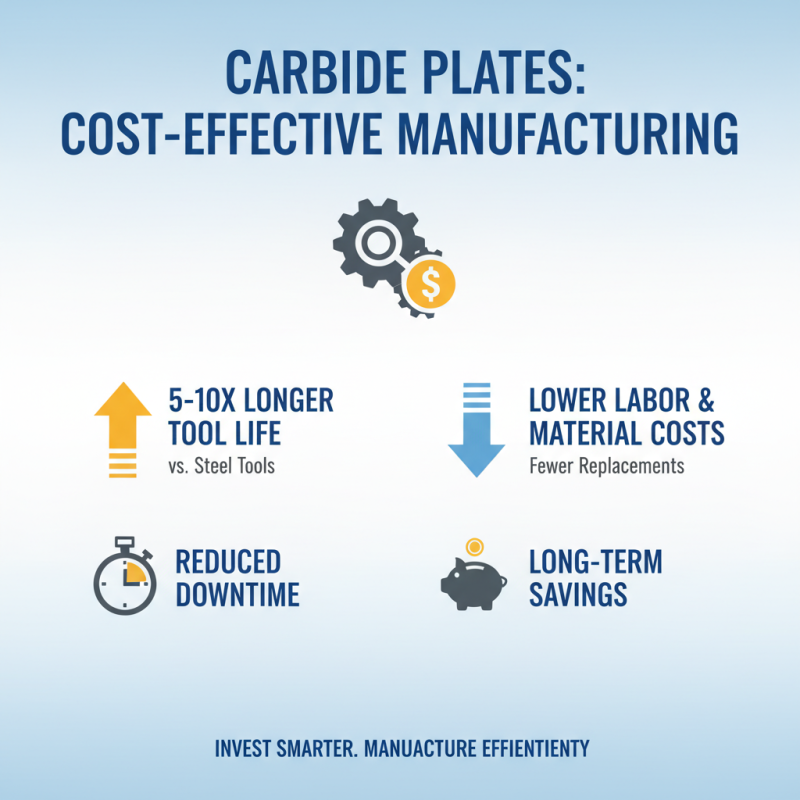
Carbide plates stand out for their cost-effectiveness in manufacturing. A recent industry report highlights that carbide tools often last five to ten times longer than traditional steel tools. This longevity translates directly into reduced labor costs and lower material expenses. Manufacturers can save considerably on replacements and downtime. Various studies emphasize that the up-front investment in quality carbide tooling frequently leads to impressive long-term savings.
Moreover, carbide materials maintain their properties under extreme conditions. With up to 80% higher wear resistance, they minimize the need for frequent replacements. Many small to medium enterprises report increased productivity as a result of less interruption in the manufacturing process. They experience fewer breakdowns and delays. However, some businesses still hesitate to switch, fearing the higher initial costs. This reluctance can hinder potential savings.
The operational efficiency gained from using carbide plates often outweighs perceived financial barriers. In fact, some manufacturers have noted a 30% reduction in operational costs over time, purely from the extended lifespan of carbide solutions. While the initial expenditure may seem daunting, the reality reflects a significant return on investment. Each choice in manufacturing impacts the bottom line. Understanding this makes the case for carbide plates clearer.
Enhanced Machining Efficiency with the Use of Carbide Plates
The use of blank carbide plates significantly enhances machining efficiency in manufacturing processes. Carbide plates are known for their hardness and wear resistance, which can lead to longer tool life and reduced downtime.
According to industry reports, using carbide tools can increase machining speeds by up to 50%. This boost in speed translates directly to higher productivity levels on the shop floor.
When implementing carbide plates, companies often see improved precision. This accuracy reduces the need for rework, ensuring that parts meet stringent quality standards. In fact, a study indicated that precision machining can reduce scrap rates by an impressive 30%. However, transitioning to carbide may come with higher initial costs, which businesses must evaluate carefully.
Tip: To maximize the benefits, ensure proper tool maintenance. Regularly inspect and replace worn tools to maintain efficiency. Another tip is to invest in employee training. Skilled operators can utilize carbide plates more effectively, enhancing overall performance. While these measures may take time and effort, the long-term gains in manufacturing efficiency are worth considering.
Versatility of Carbide Plates Across Various Manufacturing Processes
Carbide plates are incredibly versatile in manufacturing. They can withstand extreme temperatures and resist wear perfectly.
Many industries incorporate them into various processes, such as cutting, grinding, and moulding. This versatility gives manufacturers a reliable resource across multiple applications.
When using carbide plates, consider their adaptability. They work well for fine cutting in the aerospace sector. In the automotive industry, they are crucial for precision machining.
Depending on the product, the correct choice of thickness matters. Thicker plates often offer better durability but can be heavier.
Tip: Test different grades of carbide plates to find the best fit for your specific needs. Not every process requires the same material thickness.
Additionally, while carbide plates are robust, they are not invincible. They can chip or break under certain conditions, leading to waste. It's essential to monitor tools and replace them when needed.
Tip: Regular maintenance can extend the life of your carbide plates. Frequent inspections can prevent unexpected failures. Use of cutting fluids can also enhance their performance and longevity.