What Are the Benefits of Using Tungsten Carbide Plates?
Tungsten Carbide Plates are increasingly recognized for their exceptional properties. Dr. Emily Harris, a leading expert in materials science, notes, "The durability of Tungsten Carbide Plates can significantly enhance industrial applications." This statement emphasizes how these plates are transforming various sectors, from mining to manufacturing.
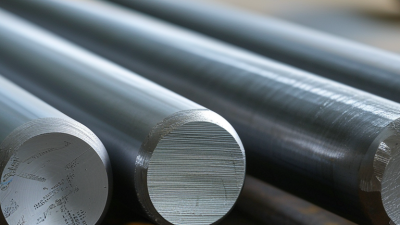
The unique characteristics of Tungsten Carbide Plates include remarkable hardness and wear resistance. These plates withstand extreme environments, making them ideal for tough industrial tasks. Industries demand stronger materials, and Tungsten Carbide Plates are often the answer. However, the production process requires careful attention to detail to ensure quality.
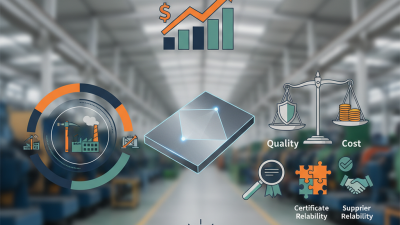
Despite their advantages, some challenges exist. The cost of Tungsten Carbide Plates can be higher compared to other materials. Companies must weigh these costs against the long-term benefits. It is crucial to assess whether using these plates aligns with specific project needs. Overall, mastering the use of Tungsten Carbide Plates involves both understanding their benefits and acknowledging potential drawbacks.
Benefits of Tungsten Carbide Plates in Industrial Applications
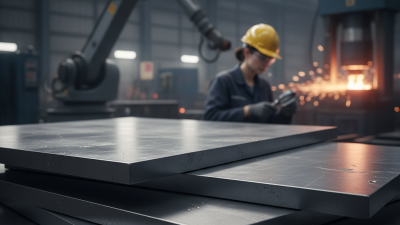
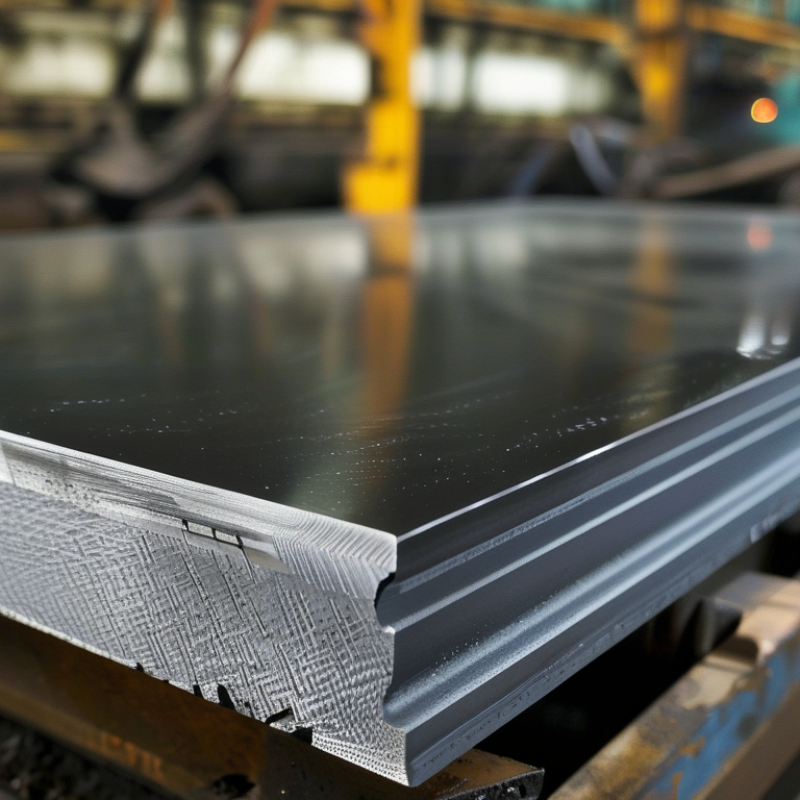
Tungsten carbide plates have gained recognition in various industrial applications due to their exceptional properties. These plates offer a unique combination of hardness and durability. This makes them ideal for environments where wear and tear are prevalent. In mining, construction, and manufacturing, tungsten carbide plates excel at withstanding high impact and abrasive conditions.
The versatility of tungsten carbide plates is evident in their use across multiple sectors. They can withstand extreme temperatures and maintain their strength under pressure. This reliability often leads to increased efficiency and reduced downtime. However, while they are celebrated for their toughness, it is important to recognize that their brittle nature can sometimes lead to unexpected failures under certain conditions. This aspect warrants reflection for engineers and operators alike.
Ultimately, the use of tungsten carbide plates provides tangible benefits, yet they require ongoing evaluation. Adapting their implementation based on real-world performance insights can enhance their effectiveness further. Understanding both their strengths and potential weaknesses is crucial for optimizing their use in the field.
Durability and Wear Resistance of Tungsten Carbide Plates
Tungsten carbide plates are renowned for their exceptional durability and wear resistance. Often used in industrial applications, these plates can withstand extreme conditions. Their hardness makes them ideal for high-impact and abrasive environments. In factories, they are frequently utilized in cutting tools and machinery components.
What truly sets tungsten carbide apart is its wear resistance. It maintains integrity under significant stress and heat. This quality reduces the frequency of replacements, saving time and resources. However, while they offer extraordinary strength, it’s important to consider their brittleness. Under certain conditions, they can fracture if subjected to sharp impacts.
Moreover, the temperature retention capability of tungsten carbide plates can be both a benefit and a drawback. Their ability to withstand heat is impressive, but excessive heat can compromise performance. Industries must carefully balance usage to maximize lifespan while preventing potential failures. Regular assessments and monitoring are essential, ensuring these plates perform at optimal levels over time.
Cost-Effectiveness of Using Tungsten Carbide Plates
Tungsten carbide plates offer significant cost-effectiveness in various applications. One key aspect is their durability. According to a report by the International Journal of Industrial Research, tungsten carbide can last up to five times longer than traditional steel plates. This longevity translates to reduced replacement costs over time.
Additionally, the initial investment is higher. Yet, organizations that use tungsten carbide report a decrease in maintenance expenses. A survey from the Machinery Maintenance Association reveals that companies experience up to a 30% drop in operational costs due to fewer breakdowns. This should prompt businesses to consider life-cycle costs rather than just upfront prices.
Moreover, tungsten carbide’s resistance to wear and tear reduces downtime. Studies show that operational efficiency can increase by 20% when using tungsten carbide in high-stress environments. Despite these advantages, some industries remain hesitant. They often wrestle with upfront costs and the perceived risk of adapting new materials. A more in-depth evaluation of these factors reveals that the long-term benefits often outweigh initial concerns.
Versatility of Tungsten Carbide Plates in Various Sectors
Tungsten carbide plates have gained attention across various sectors due to their unmatched durability and versatility. In manufacturing, these plates are significant in producing wear-resistant parts. According to a report by the Global Materials Database, industries using tungsten carbide saw a 15% increase in tool lifespan over conventional materials. This enhancement directly correlates with reduced downtime and lower production costs.
In the mining sector, tungsten carbide plates are essential for machinery components. Their resistance to high pressure and wear extends machinery life. Studies indicate that equipment using tungsten carbide experiences up to a 30% increase in operational efficiency. This improvement translates directly to maximized output and reduced maintenance expenses.
When considering the integration of tungsten carbide into your operations, economic factors are crucial. Evaluating the total cost of ownership can unveil hidden savings. Pay attention to how equipment upgrades can affect overall productivity. Continuous monitoring of performance metrics will reveal the true value these materials offer. It's vital to assess your needs critically, ensuring that the benefits align with your business goals.
Impact of Tungsten Carbide Plates on Performance and Efficiency
Tungsten carbide plates are revolutionizing the performance and efficiency of various industries. These strong materials resist wear and tear, significantly extending the lifespan of machinery. According to industry reports, tungsten carbide can outlast traditional steel by up to five times. This durability translates into fewer replacements and lower maintenance costs. Efficiency gains can also be attributed to their ability to reduce friction, which directly impacts energy consumption.
The hardness of tungsten carbide plates ensures precise machining, leading to finer tolerances in processes. This precision is critical in industries like manufacturing and aerospace. A study revealed that using these plates improved cutting speeds by 30% while maintaining dimensional accuracy. However, it’s essential to consider the initial investment. While the upfront costs can be high, the long-term savings and enhanced productivity often justify the expenditure.
Another aspect to contemplate is the environmental footprint. While tungsten carbide plates enhance operational efficiency, their mining and production can be resource-intensive. Industry professionals must weigh these factors, balancing performance improvements with ecological impacts. Therefore, although tungsten carbide offers substantial advantages, a holistic view is necessary to address the complexities of their use in various applications.