How to Choose the Best Tungsten Carbide Plate for Your Needs?
Choosing the best Tungsten Carbide Plate for your needs can be challenging. The variety of options available may overwhelm you. Each plate is different, reflecting specific qualities and uses. When you consider a Tungsten Carbide Plate, think about its hardness, wear resistance, and costs.
The right thickness and size for your application matter. A thicker plate provides durability but may increase weight. Details like surface finish can affect performance. Take time to assess your specific requirements.
Some choices may not meet your expectations. It’s important to reflect on your priorities. Will the plate be used in high-temperature settings? How will it hold up under stress? Understanding these factors ensures a better decision. A thoughtful approach can lead to finding the perfect Tungsten Carbide Plate for your needs.
Understanding Tungsten Carbide Plates: Properties and Benefits
Tungsten carbide plates are highly valued in various industries due to their exceptional properties. These plates are known for their outstanding hardness, which measures between 8.5 and 9 on the Mohs scale. This makes them significantly harder than steel. Such durability ensures that they can withstand extreme wear and tear in demanding applications.
In addition to hardness, tungsten carbide has a high melting point, around 2,870°C. This property allows it to be used in high-temperature environments without deformation. Many industries report a reduction in maintenance costs, often by up to 50%, due to the longevity of tungsten carbide plates. However, it's important to consider the brittleness associated with this material. While it is incredibly hard, it can fracture under certain dynamic conditions.
The versatility of tungsten carbide plates permits them to be used for tools, cutting, and wear-resistant applications. Many users find that despite the higher initial cost, the long-term benefits outweigh financial concerns. Yet, improper handling can lead to cracks and failures. Therefore, understanding proper maintenance and application techniques is crucial for maximizing the benefits of tungsten carbide plates.
Identifying Your Specific Needs: Applications of Tungsten Carbide Plates
When considering tungsten carbide plates, identifying your specific needs is crucial. These plates find applications in various industries, including mining, manufacturing, and tooling. For instance, in mining, these plates are essential for wear resistance. They can extend the life of equipment significantly. However, the specific requirements can vary.
In manufacturing, tungsten carbide plates may be used for cutting tools or molds. Understanding the type of materials you will be working with helps in selecting the right plate. Harder materials may need thicker plates to withstand wear. On the other hand, if you need precision, thinner plates may offer better control.
Reflecting on your intended application can highlight potential oversights. Sometimes, users choose based on price or availability, not suitability. Always ask: Will this plate meet my project's demands? It’s easy to overlook the long-term benefits of investing in the right material. Ask yourself whether the cost savings are worth the potential drawbacks in performance.
How to Choose the Best Tungsten Carbide Plate for Your Needs?
| Application |
Thickness (mm) |
Density (g/cm³) |
Hardness (HV) |
Recommended Coating |
| Cutting Tools |
10 |
14.0 |
2000 |
TiN |
| Mining |
15 |
14.5 |
1900 |
TiAlN |
| Aerospace |
12 |
12.5 |
2100 |
CrN |
| Oil & Gas |
20 |
15.0 |
1800 |
ZrN |
| Automotive |
8 |
12.0 |
1950 |
AlTiN |
Factors to Consider When Choosing Tungsten Carbide Plates
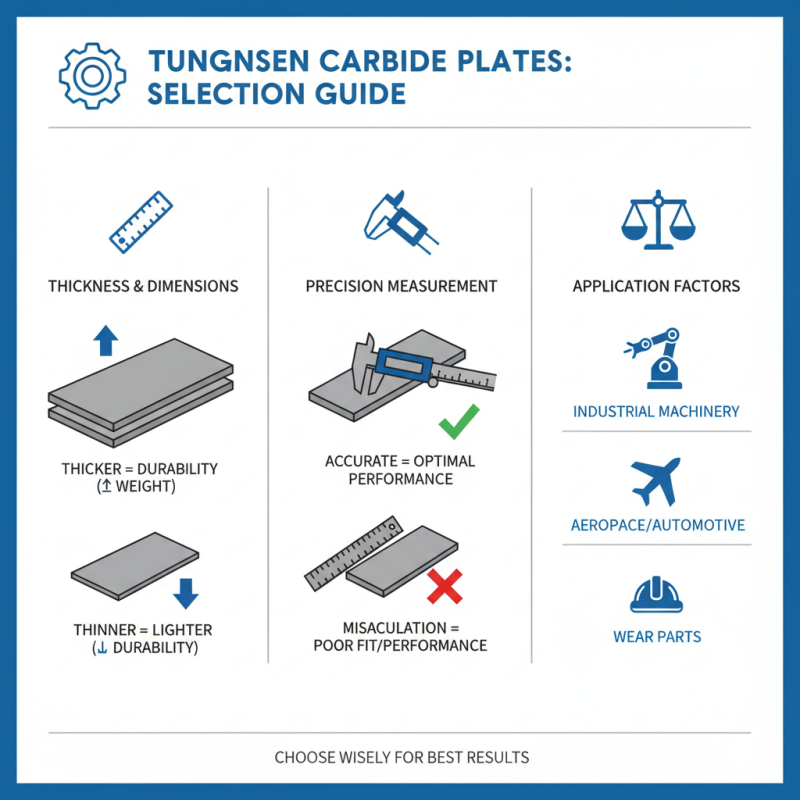
When selecting tungsten carbide plates, several factors must be considered. The thickness and dimensions of the plate are crucial. Thicker plates generally offer better durability. However, this could also add weight, which may not be ideal for all applications. Additionally, a precise measurement is important. Miscalculations can lead to poor performance or fit issues.
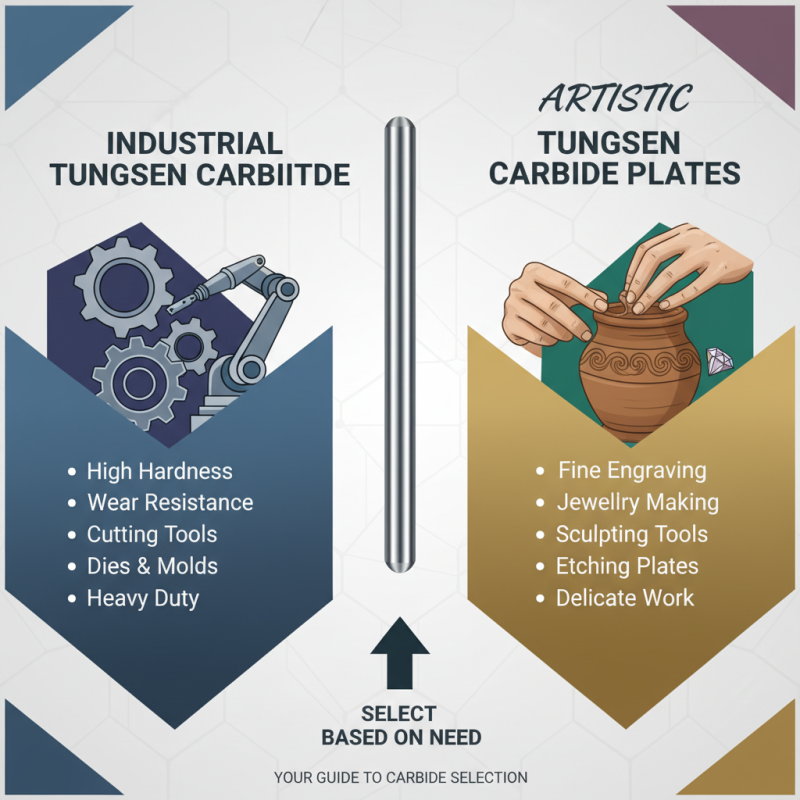
The application plays a significant role as well. Are you using the plates for cutting, drilling, or wear resistance? Different uses may require specific grades of tungsten carbide. The environment also matters. Extreme conditions may necessitate a more robust plate. Not every plate is suitable for high-pressure situations. Sometimes, compromises between hardness and toughness must be made.
Cost is another factor. While high-quality plates often come with a higher price tag, they may not be necessary for all projects. A balance between quality and budget is essential. It's easy to overspend on features you may never use. Reflecting on your specific needs can lead to more informed choices. Ultimately, your selection should align with both immediate and future requirements.
Tips for Sourcing High-Quality Tungsten Carbide Plates
When sourcing high-quality tungsten carbide plates, focus on the material’s purity. Higher purity often translates to better durability and performance. Inspect the chemical composition specified by suppliers. Look for certifications or third-party tests that confirm the material’s quality.
Evaluate the manufacturing process. Tungsten carbide can be produced through different methods. Each method affects the material's properties. Some methods yield a finer grain structure, improving hardness. Discuss production techniques with potential suppliers to gain insights into their quality standards.
Don’t overlook customer reviews or feedback. Real-world usage speaks volumes about a product’s performance. Connect with users to understand their experiences. Look for any recurring issues or praises. These insights can help guide your decision and refine your choices. Remember, the best choice reflects both your specific needs and quality expectations.
Comparison of Tungsten Carbide Plate Properties