Why Choose Round Carbide Blade for Your Cutting Needs?
In the evolving world of cutting tools, the choice of blades is crucial. Experts emphasize the importance of selecting high-quality blades for optimal performance. Dr. John Smith, a leading authority in materials science, states, "The right blade can make all the difference in precision and durability."
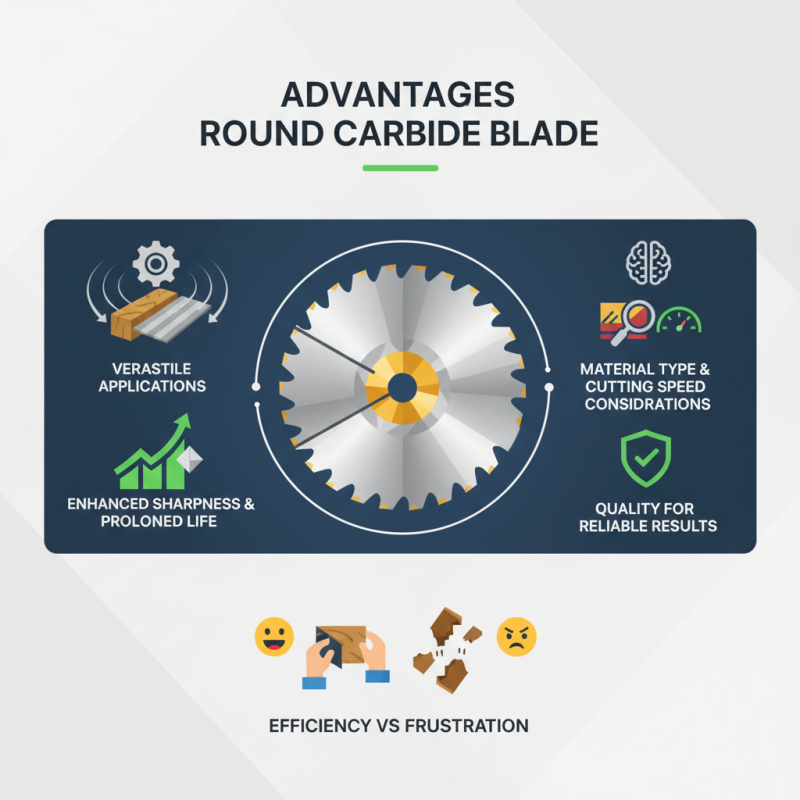
When it comes to cutting needs, the Round Carbide Blade stands out. Its design offers enhanced sharpness and prolongs cutting life, making it a preferred choice for both professionals and hobbyists. The round shape allows for versatile applications, from woodworking to metalworking.
Choosing a Round Carbide Blade may seem straightforward, yet it requires careful consideration. Factors such as material type and cutting speed influence the blade’s effectiveness. It’s vital to reflect on what blade will truly meet your needs. The wrong choice can lead to inefficiency and frustration. Focusing on quality ensures reliable results in any project.
Understanding the Basics of Round Carbide Blades
Round carbide blades are essential tools in various cutting applications. These blades are known for their durability and efficiency. Unlike traditional steel blades, carbide blades offer superior hardness. This quality allows them to maintain their sharpness longer, reducing the frequency of replacements.
The construction of round carbide blades gives them an edge in precision cutting. They are often used in woodworking, metalworking, and even in crafting. When cutting materials like plywood or soft metals, the smooth finish is crucial. A rough edge can ruin a project, leading to time-consuming rework. Additionally, improper blade selection can cause frustration and waste.
Choosing the right blade might seem straightforward, but it requires careful consideration. Users must understand their specific cutting needs and material characteristics. The wrong choice could lead to inefficiency and increased costs. Identifying potential challenges and adjusting your approach is vital. Understanding blade maintenance and replacements can also improve performance. Knowing when to sharpen is just as critical as selecting a quality blade.
Key Advantages of Using Round Carbide Blades for Cutting
Round carbide blades offer significant advantages for various cutting tasks. Their durability is one of the standout features. These blades maintain their sharpness longer than traditional materials, reducing the frequency of replacements. Imagine cutting through tough materials like wood or metal without constantly stopping to sharpen the blade; this efficiency is invaluable in production environments.
Another key benefit is precision. Round carbide blades provide cleaner cuts with less fraying. This is crucial for applications requiring tight tolerances. Users often appreciate the smooth finish that minimizes the need for additional finishing work. However, achieving this precision can sometimes depend on the operator's technique. Training and experience matter greatly.
Additionally, these blades excel in heat resistance. They can endure high-speed cutting without losing their edge. This trait minimizes the risk of deformation during intense operations. However, it's essential to match the blade's specifications with the material being cut. When not done properly, users may encounter unexpected issues. Overall, round carbide blades stand out, but skilled use is necessary to maximize their potential.
Advantages of Using Round Carbide Blades for Cutting
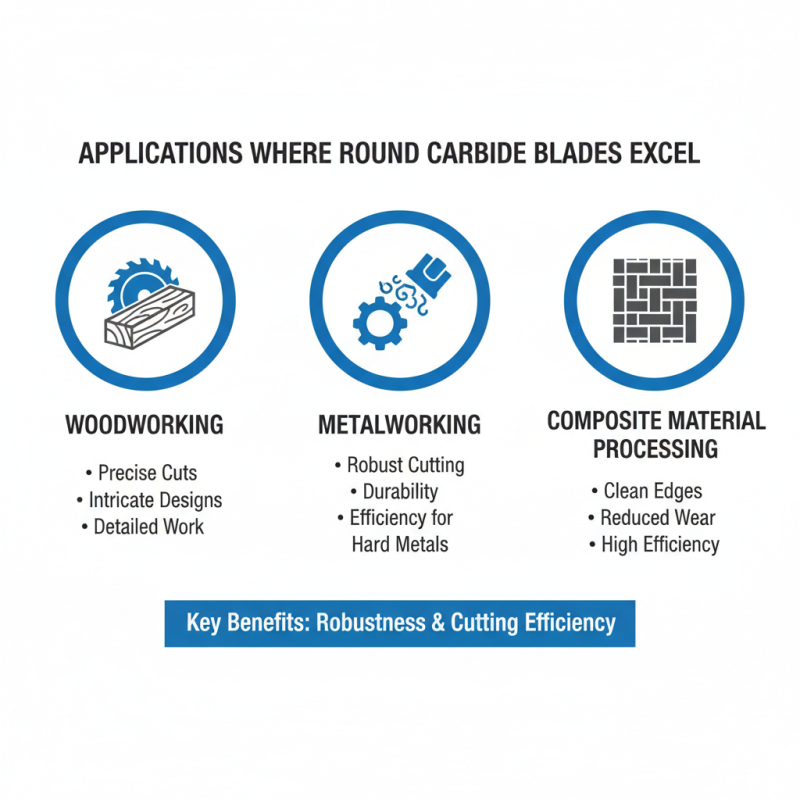
Applications Where Round Carbide Blades Excel
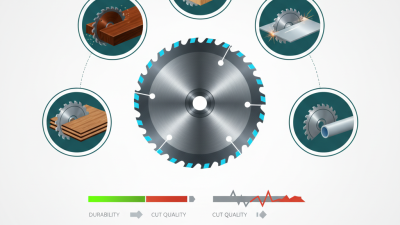
Round carbide blades are highly regarded for their robustness and cutting efficiency. They shine in various industrial applications, particularly in woodworking, metalworking, and composite material processing. These blades provide precise cuts, making them ideal for intricate designs and detailed work.
In woodworking, round carbide blades excel at slicing through hardwood and softwood alike. Their durability reduces the frequency of blade changes, saving time and resources. In metalworking, they can handle tough materials that standard blades cannot. The heat resistance of carbide ensures longevity, even in high-speed operations.
Moreover, round carbide blades are suitable for cutting composite materials, which are increasingly used in modern manufacturing. Their ability to produce clean edges prevents delamination, an important aspect for achieving quality in finished products. However, users must regularly inspect the blades for wear and serration. Regular maintenance ensures optimal performance and minimizes cutting errors.
Comparison of Round Carbide Blades with Other Cutting Tools
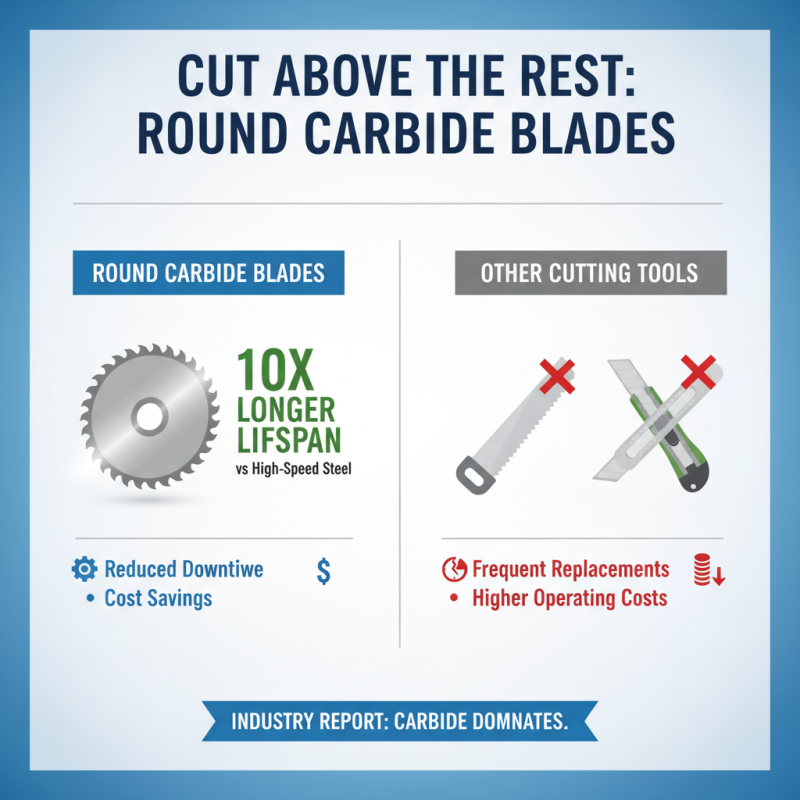
When it comes to cutting tools, round carbide blades stand out. A comparison with other materials reveals their unique advantages. According to industry reports, carbide tools can last up to 10 times longer than high-speed steel blades. This longevity results in reduced downtime and cost savings for manufacturers.
Round carbide blades also provide superior precision. Their design allows for smoother cuts and less friction. Unlike other blade types, they reduce heat build-up during the cutting process. This is crucial when working with materials like wood or composite materials that can warp under high temperatures. Tests have shown that carbide blades achieve cut quality improvements of up to 30% compared to standard blades.
Tip: Always consider the right RPM for your round carbide blade. Too high of a speed may lead to quick wear or overheating. Additionally, ensure proper alignment during installation to maintain cutting efficiency. Remember, the right practices can enhance your tool's lifespan significantly.
It’s worth noting that while round carbide blades excel in many areas, they can be brittle. Improper handling or excessive force can cause cracks. Always handle with care and monitor for signs of wear to ensure safe operation and optimal performance.
Maintaining and Caring for Round Carbide Blades
Maintaining round carbide blades requires attention to detail. Regular cleaning is essential. After each use, remove dust and debris. Use a soft cloth or brush to avoid damage. Experts recommend cleaning every few cuts to maintain efficiency.
Storage is equally important. Keep blades in a dry place. Humidity can cause rust, even on carbide. Consider using a protective case. Proper storage extends blade life and functionality. A study highlighted that well-maintained blades last up to 50% longer. This reflects significant cost savings over time.
Sharpening is another critical aspect. It's essential to use the right tools and techniques. Improper sharpening can lead to a decline in performance. Research suggests that professional sharpening can improve cutting efficiency by 30%. However, home users need to be cautious. Using the wrong method can ruin the blade. Regularly assessing blade health is an ongoing necessity for optimal performance.