How to Choose the Best Polished Tungsten Plate for Your Needs?
Choosing the right Polished Tungsten Plate can significantly impact your project's success. According to a recent market analysis by Allied Market Research, the global tungsten market is projected to grow at a CAGR of 5.5% from 2021 to 2028. This growth indicates a rising demand for high-quality materials like polished tungsten, particularly in sectors such as aerospace and electronics.
Dr. Alan Sommers, a renowned expert in the materials science field, notes, "The selection of the right tungsten materials can enhance efficiency and product durability." His insights emphasize the importance of quality when sourcing polished tungsten plates. Factors such as thickness, size, and surface finish play vital roles in meeting specific industrial requirements.
Understanding these variables can be challenging. Buyers often focus on price over quality, leading to potential setbacks. A polished tungsten plate should not only meet specifications but also ensure reliability. Therefore, making an informed choice is crucial for achieving long-term success in your application.
Understanding Polished Tungsten Plates: An Overview of Their Uses
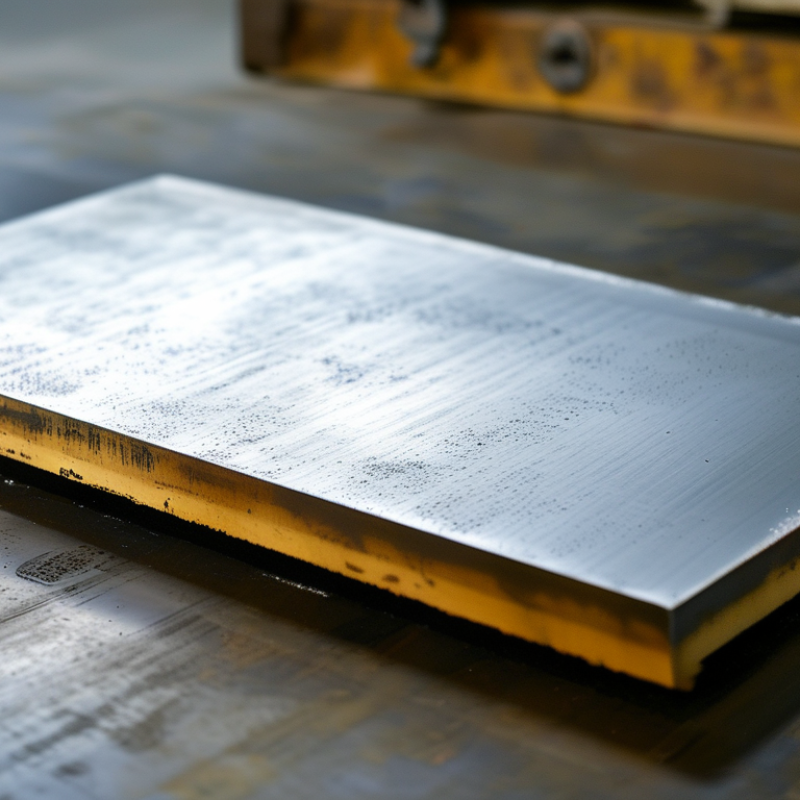
Polished tungsten plates are gaining popularity for various applications. Their unique properties make them suitable for a wide range of industries. These plates are known for their high density and durability. They can withstand extreme temperatures and resist corrosion. This makes them ideal for aerospace, automotive, and even medical industries.
In aerospace, polished tungsten plates are utilized in radiation shielding. They protect sensitive equipment from radiation exposure. In the automotive sector, they are used in high-performance components. Their robustness enhances the lifespan of parts under stress. Medical devices also benefit from tungsten's biocompatibility, ensuring safety in critical applications.
However, choosing the right polished tungsten plate can be challenging. Not all plates have the same thickness or finish. The intended use often dictates these factors. Buyers should consider their specific needs carefully. It’s crucial to consult experts or conduct thorough research. This helps in making a well-informed decision. Balancing cost and quality is another aspect to ponder. Not every polished finish guarantees the same performance.
Key Factors to Consider When Selecting a Polished Tungsten Plate
Choosing the right polished tungsten plate involves several key factors.
First, consider the thickness of the plate. Thicker plates offer more durability but can be heavier.
You must balance weight and functionality based on your specific needs. The finish is another critical aspect.
A smooth, polished surface enhances appearance and reduces friction in applications requiring contact with other materials.
Another vital factor is the plate's size. Custom sizes may be necessary for unique applications, but standard dimensions
may suffice for more general uses. Additionally, reflect on the intended use of the plate. Is it for jewelry,
industrial applications, or decorative purposes?
Each use case may demand different properties.
Look into the manufacturing process as well. Reliable sources should provide information on how the tungsten is processed.
Transparency in production ensures quality. Manufacturers should ideally have established reputations in the industry.
Though it can be challenging to find a perfect fit, outlining your specific requirements can help narrow down options.
A thoughtful approach will lead to better choices in polished tungsten plates.
Evaluating Quality: What to Look for in Polished Tungsten Plates
When selecting polished tungsten plates, quality is paramount. Start by examining the plate's surface. A high polish ensures a smooth texture, reflecting light effectively. Look for plates that show minimal imperfections. Scratches or dull spots can indicate poor quality. These flaws may impact performance in your projects or applications.
Pay attention to the thickness of the plates. Thicker plates can provide better durability and strength. However, if weight is a concern, thinner plates may be more suitable, depending on your needs. Evaluate the overall finish; a consistent polish indicates better craftsmanship. Consistency suggests reliable manufacturing standards, leading to better performance and longevity.
Consider the vendor’s reputation as well. Research feedback from past customers. Genuine reviews can unveil insights about the product quality. Trustworthy suppliers often offer guarantees or return policies. This reflects their commitment to customer satisfaction. Overall, consider these factors deeply to ensure you make a well-informed decision.
Evaluating Polished Tungsten Plates Quality
Comparing Different Types of Polished Tungsten Plates on the Market
When choosing polished tungsten plates, understanding the different types available is essential. Several options exist in the market, each with unique quality and application. A study from the Tungsten Industry Association highlights that polished tungsten plates are categorized mainly into three types: forged, rolled, and sintered. Each type has distinct properties that cater to various industrial needs.
Forged polished tungsten is known for its strength and ductility. This type is often used in high-stress applications, such as aerospace components. In contrast, rolled tungsten plates offer excellent surface finish and are preferred in electronics and medical devices. The sintered plates, while less expensive, may not always provide the same level of reliability.
According to a report by research firm MarketWatch, the demand for high-quality polished tungsten plates is expected to rise by 20% over the next five years.
When considering your needs, evaluate the specific application and desired properties. Polished tungsten plates are often measured by density, purity, and surface finish. These characteristics significantly affect performance in challenging environments. However, balancing cost and quality can be tricky. Investing in higher-quality plates may be necessary, but budget constraints might limit options.
This consideration underscores the importance of thorough research and informed decision-making when selecting the best polished tungsten plate for your requirements.
Maintaining Your Polished Tungsten Plate for Optimal Performance
Maintaining a polished tungsten plate requires diligence and care. Regular cleaning is crucial. Use a soft cloth to wipe the surface gently. Abrasive materials can scratch the plate, diminishing its shine and performance. For stubborn stains, a mild detergent mixed with warm water works well. Rinse thoroughly to avoid residue that could affect future use.
Storage is another key aspect. Place your tungsten plate in a dry, cool area. Avoid exposure to extreme temperatures or moisture. A protective case can shield it from dust and scratches when not in use. Checking the plate periodically for signs of wear or damage is wise. Look for any dull spots or discoloration, which could indicate that it needs resealing or refinishing.
Remember, every plate has its lifetime. Being proactive with maintenance can enhance its durability. However, do not assume it will last forever without attention. Each use can impact its appearance and function. Reflect on how you can adapt your care routine based on the demands of your specific applications.