How to Choose Round Carbide Rods for Your Next Project?
In the precision engineering field, selecting the right materials can make or break a project. When it comes to **Round Carbide Rods**, the choice often varies widely based on specific needs. Expert John Phillips, a well-known figure in the carbide industry, once stated, “Understanding the application is key to selecting the right rod.” This insight highlights the importance of matching the properties of Round Carbide Rods to your project's demands.
Choosing Round Carbide Rods involves understanding their hardness, wear resistance, and thermal stability. These rods are ideal for applications that require extreme precision and longevity. However, not all projects need the highest grade of carbide. Sometimes, a mid-range option is more cost-effective. It’s essential to reflect on your specific use case to avoid overspending on unnecessary features.
The selection process can be daunting. Engineers may get overwhelmed by the different varieties. Buying based on branding or price alone may lead to challenges later. A thoughtful assessment is vital. Taking time to evaluate your needs will lead to better outcomes. In the realm of Round Carbide Rods, precision and thoughtfulness are essential for successful project completion.

Understanding the Basics of Round Carbide Rods
When working with round carbide rods, it's crucial to grasp their fundamental characteristics. Carbide rods are known for their hardness and durability. They are ideal for machining and manufacturing applications due to their wear resistance. Choosing the right rod means considering the physical properties like diameter, length, and grade. These factors significantly affect performance and end results.
Choosing the right diameter is essential. A rod that is too large might not fit the intended machine. Conversely, a diameter that is too small can lead to breakage during use. Length is just as important. It should match the specifications of your project. The grade of carbide impacts its toughness and strength. Sometimes, users overlook these details, leading to costly mistakes.
It's easy to make assumptions when selecting, but reflection is necessary. Check the specifications twice before making a decision. Think about the project requirements carefully. If you skip these steps, you might end up with unsuitable rods. Making informed choices will enhance the quality of your work. Remember, each project is unique; not all carbide rods will suit your needs. Take the time to evaluate your options.
Identifying Key Specifications for Your Project Needs
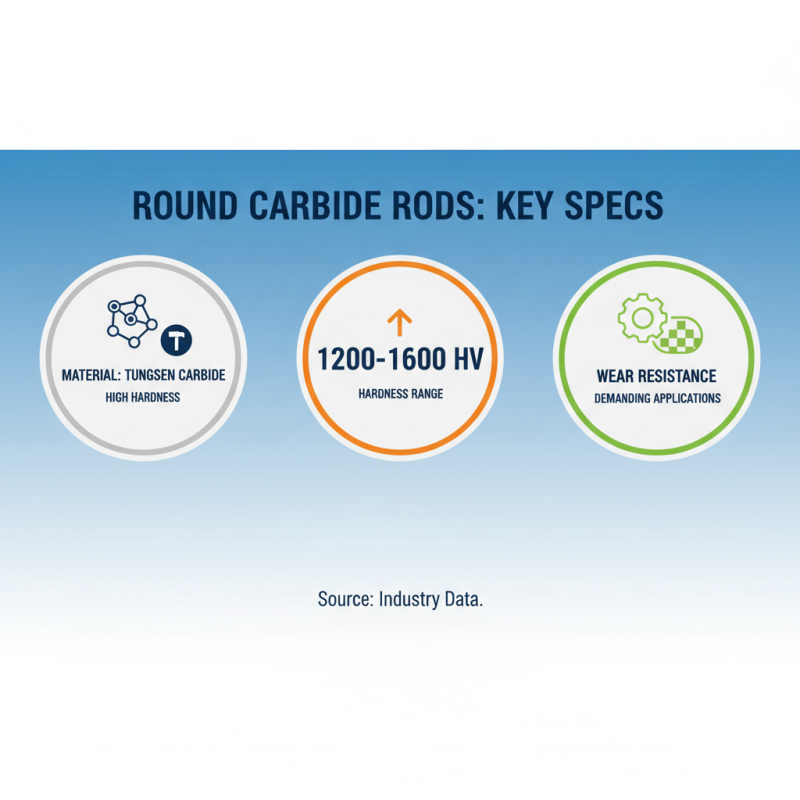
When selecting round carbide rods for your project, understanding key specifications is crucial. These rods are made from tungsten carbide, known for high hardness and wear resistance. According to industry data, the hardness level of carbide typically ranges from 1200 to 1600 HV, which ensures excellent performance in demanding applications.
For your project needs, consider diameter and length specifications. Most round carbide rods come in diameters ranging from 1 mm to 100 mm. The choice depends on the specific machining requirements. Keep in mind that dimensions can affect cutting efficiency. Uneven lengths can lead to wasted material or imprecise cuts.
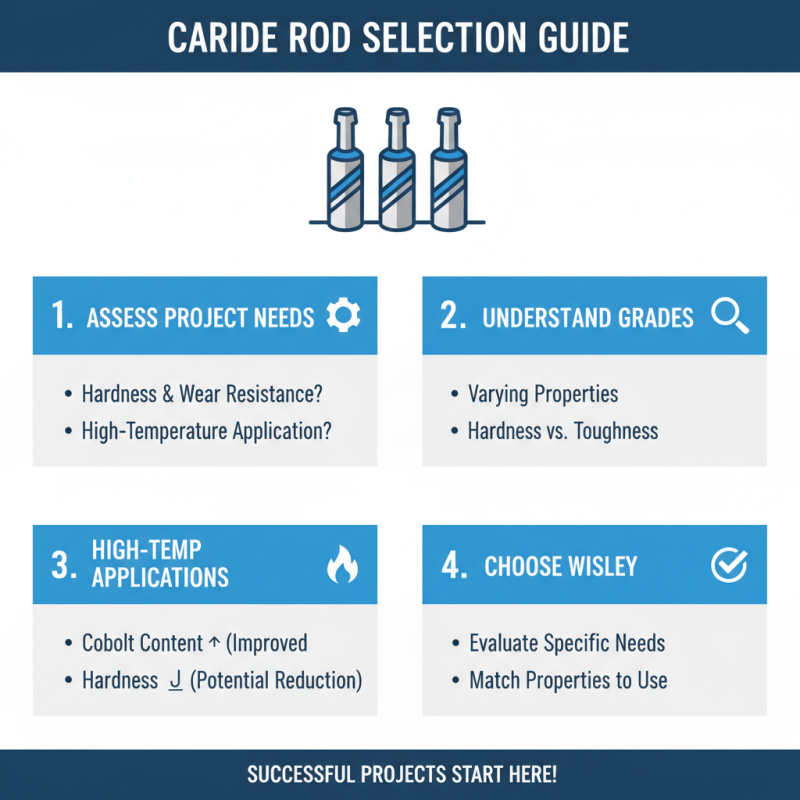
Another significant factor is the grade of carbide. Different grades have varying cobalt content, impacting toughness and wear resistance. Higher cobalt levels often mean more durability but may sacrifice some hardness. It's a delicate balance to strike. Misjudging these specifications can cause defects in the final product. Make sure to evaluate all your options carefully. Pay attention to how these specifications can influence your project outcomes.
Evaluating Different Grades and Types of Carbide Materials
Choosing the right grade of carbide rods is crucial for project success. Different grades offer varying properties, such as hardness and wear resistance. For high-temperature applications, look for carbide with cobalt content. This can improve toughness but may reduce hardness. Evaluate your specific needs to find the best match.
Consider the type of finish required. Some projects need a polished surface, while others work best with a rougher texture. The finish can influence performance, especially in cutting applications. Pay attention to these details. A small oversight can lead to significant issues.
Testing different types can reveal unexpected outcomes. You might find that a lower grade outperforms a premium option in certain conditions. Be open to experimenting. Each project might teach you something new. Learn from discrepancies in performance. Understand how variables affect results, and adjust your selections accordingly.
Comparing Cost-Effectiveness and Performance Metrics
When selecting round carbide rods for a project, considering cost-effectiveness is crucial. These rods offer durability and wear resistance. However, the price can vary significantly. Lower-cost options may compromise performance. Are you willing to trade off some quality for savings?
Performance metrics play a vital role as well. Round carbide rods can enhance cutting efficiency and tool life. Analyzing factors like hardness and toughness is essential. A harder rod may perform better but could also be more brittle. This can lead to unexpected breakage during use.
Moreover, choosing the right size and diameter is critical. A mismatch can lead to inefficiencies. Performing thorough analyses can be a tedious process. A small oversight in measurements may lead to greater costs down the line. It's essential to strike a balance between cost and performance to ensure project success.
Selecting the Right Supplier for Quality and Reliability
When selecting a supplier for round carbide rods, it's essential to focus on quality and reliability. Look for suppliers that provide detailed specifications of their products. A good supplier should be transparent about the materials used and any certifications they have. Ask for samples before committing. This allows you to assess the quality firsthand.
It's also important to consider the supplier's reputation. Read customer reviews and ask for references. Engaging with previous clients can provide valuable insights. Think about the delivery times. Are they consistent? Delays can impact your project. A reliable supplier should have a track record of punctual deliveries.
In addition to quality, consider customer support. Does the supplier respond promptly to inquiries? Effective communication is key to a successful partnership. Sometimes, it might seem tedious to compare options, but it pays off in the long run. Reflect on your choices. Mistakes in supplier selection can lead to wasted resources. Take your time to evaluate all factors carefully.
Round Carbide Rods Selection Criteria
This bar chart represents the key selection criteria for choosing round carbide rods based on user feedback. The criteria include cost, durability, supplier reliability, and availability. Each factor plays a crucial role in the decision-making process for projects requiring high-performance materials.