How to Choose the Best Carbide Flat for Your Needs?
Selecting the right Carbide Flat can significantly impact your work quality. Industry expert Dr. John Mercer, a leading authority in carbide tools, once remarked, "The right Carbide Flat is crucial for precision and performance." This emphasizes the importance of making an informed choice.
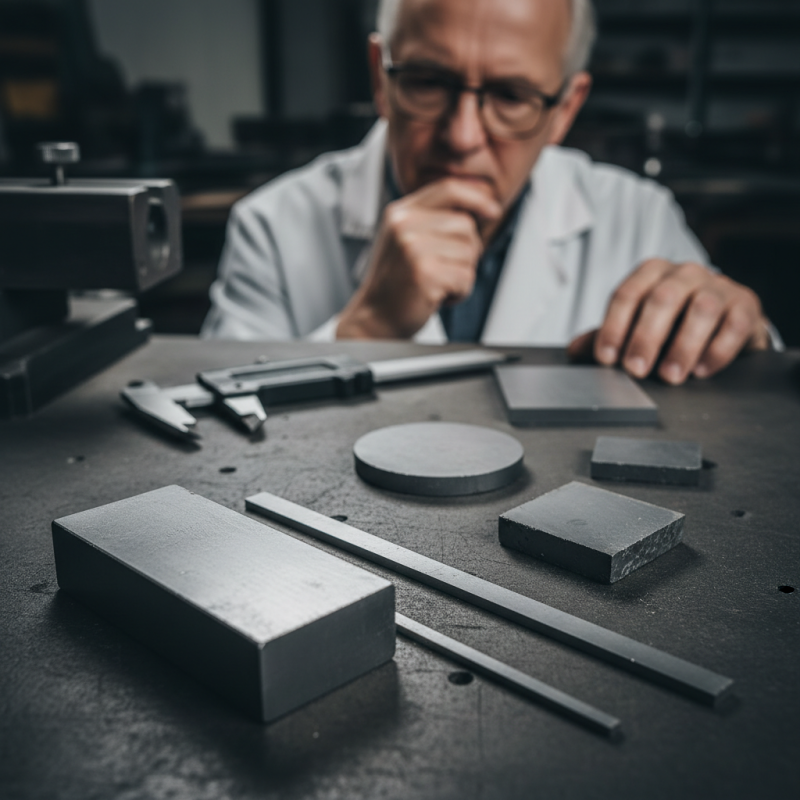
Carbide Flats come in various shapes and sizes, each serving distinct purposes. Knowing your specific needs is vital. For instance, a thicker Carbide Flat might be necessary for heavy-duty applications, while a thinner variant could suffice for delicate tasks.
However, the process of choosing isn't always straightforward. Misjudging the required specifications can lead to suboptimal performance. Understanding properties like hardness and wear resistance is essential. Not every Carbide Flat suits every task. Taking time to research and consult experts can save you from costly mistakes.
Understanding Carbide Flats: Types and Specifications
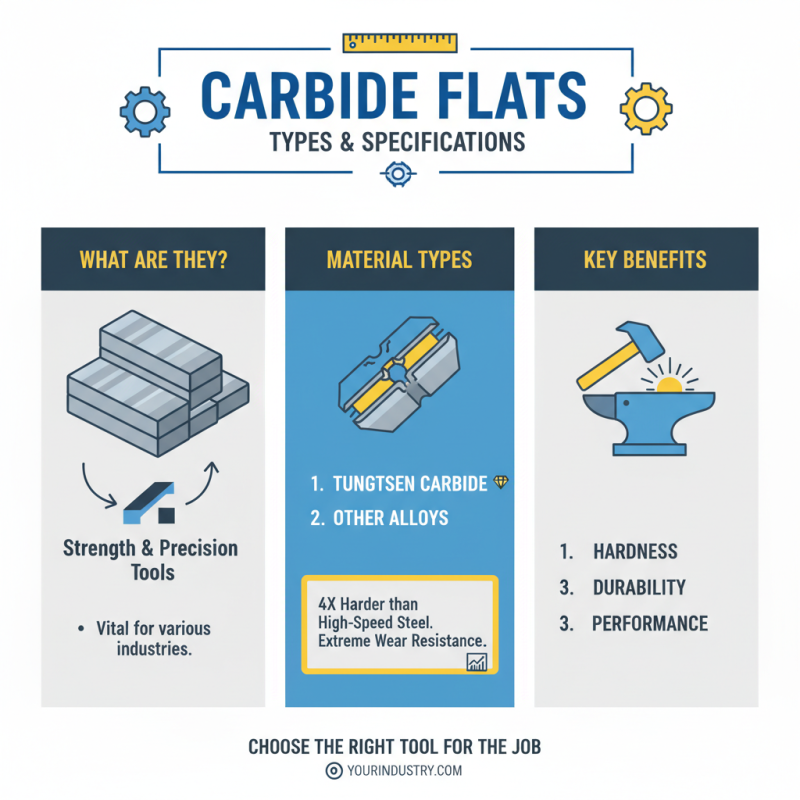
Carbide flats are vital tools in various industries, offering strength and precision. Understanding the types and specifications of carbide flats is essential for selecting the right one. There are several types of carbide materials, including tungsten carbide, which is known for its hardness and resistance to wear. According to industry reports, tungsten carbide can be up to four times harder than high-speed steel, making it a preferred choice in demanding environments.
Specifications of carbide flats can vary widely. The width, length, and thickness of a flat play significant roles in its application. For instance, standard sizes like 1"x 1"x 12" are common for many machining tasks. However, some applications may require customized dimensions to meet specific needs. Research suggests that using the right specifications can increase tool life by up to 30%.
Users often overlook these details and make choices based on availability rather than suitability. This approach can lead to inefficient operations and increased costs. Not every carbide flat will perform well in every situation. It is important to evaluate the material properties and their compatibility with specific tasks. The right carbide flat can significantly impact precision and longevity in manufacturing processes.
Identifying the Application: Choosing the Right Carbide Flat
When selecting the right carbide flat for your needs, application plays a crucial role. Consider the specific task at hand. Different tasks require distinct shapes, sizes, and features. High-performance applications may need precision-engineered flats. Meanwhile, general tasks might be best suited for standard options.
Tips: Assess the hardness and toughness of materials you'll work with. A tougher carbide flat can withstand heavy use but may be less precise. Ensure that you evaluate the flat's finish as well, since a smoother edge contributes to finer results.
Identifying the application also means understanding the environment. Will it be exposed to high heat? Will it deal with abrasive materials? This information helps narrow down your choices. Remember, tempting features may not translate to the best performance for your specific needs.
Tips: Always check user feedback when available. Although reviews can guide you, they may not address unique applications. Reflect on your past experiences with tools. Did you overlook important details? These insights are essential in making a better decision.
Choosing the Right Carbide Flat for Your Needs
This chart shows the effectiveness ratings of different applications for carbide flats, helping you identify the best option for your specific needs.
Evaluating Quality: Key Features of High-Performance Carbide Flats
Selecting the right carbide flat involves evaluating several key features. The quality of the carbide material is paramount. High-performance carbide typically has a hardness rating above 80 HRA. This hardness ensures durability and longevity, making it suitable for demanding applications. According to industry data, tools with higher tungsten carbide content often outperform those with lower compositions.
Another critical aspect is the geometry of the carbide flat. Proper geometrical design can enhance cutting efficiency and accuracy. Research suggests that a well-designed cutting edge reduces friction and wear during operation. This improvement can lead to a productivity increase of up to 30%. Even small variances in edge design can affect performance significantly.
In addition to material and design, consider the coating of the carbide flat. Advanced coatings, such as titanium nitride, improve surface hardness. They also offer better resistance to heat and corrosion. Reports indicate that coated tools can last up to 50% longer than uncoated counterparts. However, not all coatings are necessary for every application. Some manufacturers still use uncoated options, which can be suitable for less demanding tasks. Assessing the specific needs of your projects helps in making the best choice.
Price Considerations: Balancing Cost and Value in Carbide Flats
When selecting a carbide flat, price is a crucial aspect. Balancing cost and value ensures you invest wisely. Cheaper options may compromise quality, while expensive choices are not always the best. Evaluate the features that truly matter to you. Consider the material hardness, precision, and durability. You need a tool that matches your specific requirements.
Tips: Look for options that have good reviews. User feedback can provide insights into reliability. Checking for warranties can also safeguard your investment. Be cautious about overly low prices; they often indicate lower quality.
Assess your budget against your working needs. Sometimes, spending a bit more upfront leads to long-term savings. A durable carbide flat can save you money in the long run. Seek a balance between cost-effectiveness and quality. Consider what aspects you might compromise on without sacrificing performance.
Maintenance Tips: Ensuring Longevity of Your Carbide Flat Tools
When it comes to maintaining carbide flat tools, proper care is essential for longevity. Regular cleaning is important. Remove any residues after each use. Use a soft cloth to wipe them down. This simple action prevents the buildup of grime. A clean tool performs better and lasts longer.
Another consideration is storage. Store carbide flats in a dry, cool place. Avoid locations with high humidity. Moisture can lead to rust and damage. Additionally, keep them in protective cases. This helps prevent accidental nicks or scratches.
Sharpening is an ongoing task. Dull tools can cause frustration. They can also damage your workpieces. Regularly assess the sharpness of your carbide flats. Use appropriate sharpening tools to maintain their edge. Keeping these tools in top condition requires attention and effort. A little extra care goes a long way in ensuring the effectiveness of your carbide flats.
How to Choose the Best Carbide Flat for Your Needs? - Maintenance Tips: Ensuring Longevity of Your Carbide Flat Tools
| Specification |
Description |
Maintenance Tip |
| Material |
Carbide tools are made from tungsten carbide, providing durability and hardness. |
Regularly clean with a soft brush to remove debris. |
| Coating |
Some carbides have a coating for improved performance and reduced friction. |
Inspect coating regularly for wear; replace if damaged. |
| Size |
Available in various sizes to fit different applications. |
Choose the right size tool for your application to prevent unnecessary wear. |
| Edge Type |
Different edge types are available for various cutting requirements. |
Keep edges sharp; dull edges can lead to damaging the workpiece. |
| Usage Frequency |
Frequency of use affects tool longevity. |
Store tools properly when not in use to prevent damage. |