How to Choose the Best Cutting Tools for Your Needs?
Choosing the right cutting tools is essential for efficiency and precision in various industries. According to a report by MarketsandMarkets, the global cutting tools market is projected to reach $27.6 billion by 2025. This growth underscores the significance of understanding your specific cutting needs.
When selecting cutting tools, it's crucial to consider the material, application, and desired finish. Different industries, from automotive to aerospace, have unique requirements. For example, titanium alloys necessitate tools made from high-speed steel or carbide, as standard tools may not withstand the wear.
Moreover, quality often correlates with productivity. Using the wrong cutting tool can lead to increased downtime and improper finishes. It is essential to invest time in research and seek expert advice. Many users overlook the importance of tool maintenance, which can extend tool life and enhance performance. Understanding these nuances can significantly impact the success of your operations.

Understanding Different Types of Cutting Tools and Their Uses
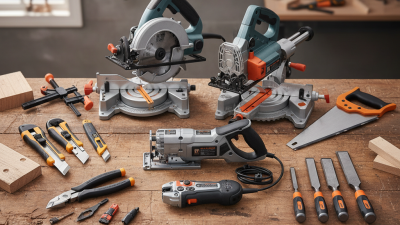
Cutting tools are essential in various industries. Choosing the right one requires understanding their types and uses. Many options are available, such as knives, saws, drills, and shears. Each tool serves its specific purpose, influencing the quality of your work.
Hand tools, like knives, offer precision for detailed tasks. They are often preferred for their controllability. Power tools, such as saws or drills, excel in speed and efficiency. Their performance depends heavily on the material being cut. Selecting the wrong tool can lead to poor results.
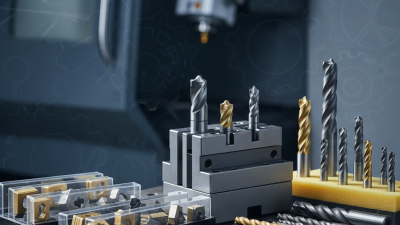
Tips: Always consider the material type before picking a tool. A high-speed steel drill bit works well for metal. However, wood may require a different design entirely. Test your tools on scrap material first to avoid costly mistakes. Use proper techniques to extend tool life. Mistakes can happen, but learning from them is crucial for improvement.
Identifying Your Material and Project Requirements
When selecting cutting tools, understanding your material and project requirements is crucial. Different materials demand specific cutting techniques and tools. For instance, according to a report by the American Society of Mechanical Engineers, using the wrong tool on hard metals can reduce efficiency by up to 40%. It's essential to consider both the material type and its thickness to achieve optimal results.
Take wood, for example. Softwoods, like pine, require different tools than hardwoods, like oak. The tool design affects how effectively it cuts. A study by the Woodworking Institute shows that correctly matched tools can enhance cut quality by nearly 50%. However, this does not guarantee perfect results. Users often overlook factors like feed rate and tool wear. Regular assessment of these elements will help avoid costly mistakes.
Moreover, project specifications, such as precision and finish quality, matter significantly. For metal projects, the right tool could mean the difference between a smooth edge and excessive burrs. A report by the Machining Association indicates that improper tool selection can lead to surface imperfections in 30% of cases. A reflection on prior experiences can refine choices and improve outcomes. Understanding these dynamics paves the way for better project success.
Evaluating Tool Features and Specifications
When selecting cutting tools, features and specifications significantly influence performance. However, the importance of each feature can vary based on your specific tasks. For instance, the material of the cutting tool impacts durability and cutting efficiency. High-carbon steel, for example, offers excellent sharpness, while carbide is known for its longevity. Each material presents trade-offs in terms of cost and application suitability.
Another critical aspect is the tool’s design. The shape and angle of the cutting edge can drastically affect how a tool performs. Steeper angles can enhance precision but may reduce strength. Meanwhile, a broader edge provides more durability but can sacrifice delicacy in cutting. Evaluating these designs requires a clear understanding of your needs.
Don’t overlook specifications like hardness and toughness. These attributes determine how a tool withstands wear and heat during operation. Often, tools that excel in one area may compromise in another. Reflecting on the specific tasks you’ll perform will guide you in making informed choices. Remember, the best tool is not always the most expensive one; it’s the one that aligns with your project requirements.
Considering Ergonomics and Safety in Tool Selection
Selecting the right cutting tools involves more than just performance. Ergonomics and safety should be top priorities. Tools that feel comfortable in hand can greatly reduce strain during prolonged use. Look for handles that fit well and offer a secure grip. Poorly designed tools can lead to fatigue and injuries over time.
Tips: Choose tools with soft-grip handles. Test them in-store if possible. Consider the weight of each tool. Heavy tools can be unwieldy, leading to loss of control. Lightweight options may be easier to handle and reduce wrist strain.
Safety features are equally crucial. Some tools include safety guards or automatic shut-off features. These mechanisms can prevent accidents, especially in busy workplaces. Always inspect tools for any wear or damage before use. A tool that is damaged may fail during cutting, posing serious risks.
Tips: Use personal protective equipment (PPE) when working. Regularly maintain your tools to ensure they remain safe and effective. Check for proper functionality before each use. Trust your instincts—if a tool feels unsafe, it probably is.
Assessing Budget and Quality for Long-Term Use
When choosing cutting tools, balancing budget and quality is crucial for long-term use. Higher quality tools often reduce replacement costs over time. A well-made tool can withstand wear and tear, providing better performance. It’s wise to invest upfront rather than frequently replacing cheaper tools.
Consider your specific needs when assessing tools. Will they be used daily? In that case, durability is essential. If they are for occasional tasks, moderate quality may suffice. It’s important to research materials and construction. Reviews and expert opinions can guide this evaluation.
Budget constraints can complicate decisions. Low-cost tools may tempt you. However, they often lead to frustration and extra expenses. Sometimes, a slightly higher investment results in long-term savings. Think critically about your selections. Reflect on whether your choices align with your work demands and future projects. Prioritize quality over trends or marketing hype.