How to Choose the Right Carbide Flat for Your Needs?
Choosing the right carbide flat is essential for many industrial applications. These tools are versatile and durable, perfect for shaping materials. However, selecting the ideal carbide flat can be confusing.
Many factors influence your decision. Size and shape are crucial. The specific materials you work with also matter. A wrong choice can lead to inefficiency. It may seem simple, yet small details matter greatly. Think about the tasks you perform regularly.
Remember to evaluate your needs carefully. Research different brands and types. Sometimes, a higher price doesn't guarantee better quality. A thoughtful approach can prevent costly mistakes. Finding the perfect carbide flat may take time, but it's worth the effort.
Understanding the Basics of Carbide Flats and Their Applications
Carbide flats are essential tools in various industries. They are commonly used in machining, manufacturing, and woodworking. The versatility of carbide flats makes them suitable for a wide range of applications. A recent industry report indicates that the global carbide cutting tools market is expected to reach $12 billion by 2025, highlighting their growing importance.
Understanding the basics of carbide flats is crucial. These tools are made from tungsten carbide, known for its hardness and wear resistance. They are often utilized for cutting, shaping, and finishing materials. In aerospace, for instance, carbide flats can improve precision and reduce production time. However, many users overlook proper maintenance. Regular inspection and care can extend the life of these tools significantly.
Matching the right carbide flat to specific needs can be challenging. Different geometries and grades exist. Selecting the wrong type can lead to inefficiencies. For example, using a flat designed for softer materials on harder substrates can cause premature wear. Many professionals fail to evaluate their specific requirements before purchasing. This consideration can make a significant difference in performance and cost-effectiveness.
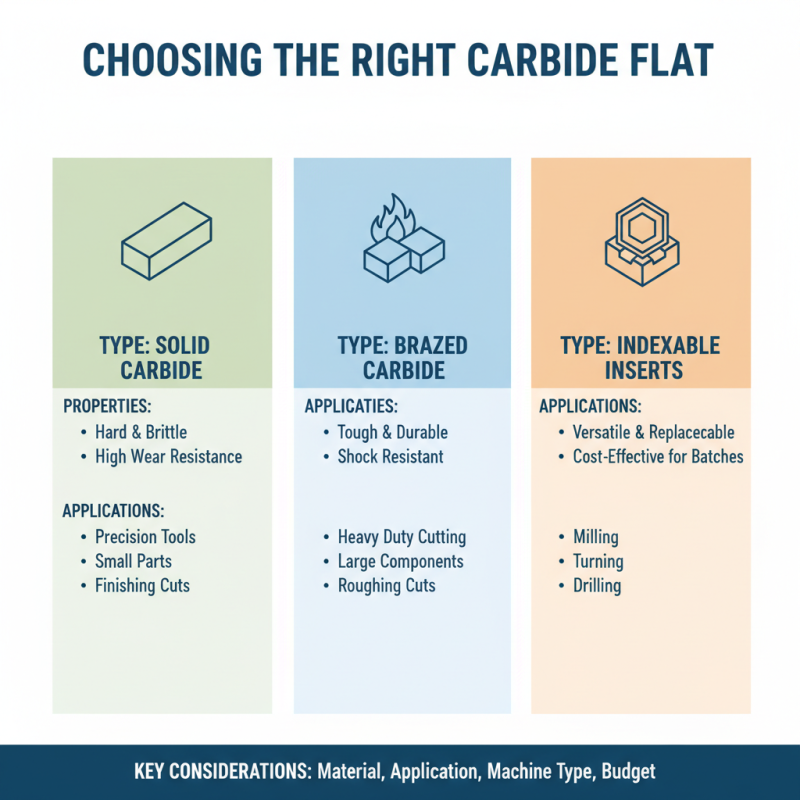
Carbide Flat Types and Their Applications
Key Factors to Consider When Selecting a Carbide Flat
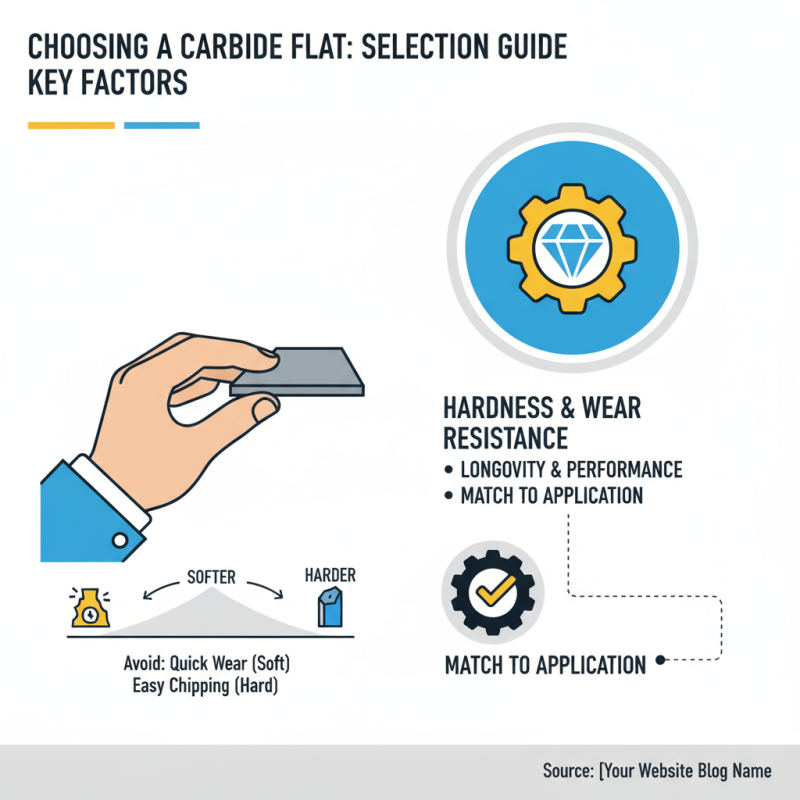
When choosing a carbide flat, several key factors are essential. First, consider the hardness and wear resistance of the material. Carbide flats vary in hardness, affecting their longevity and performance. It is crucial to match the level of hardness with your specific application. A softer flat may wear out quickly under heavy use, while an overly hard flat might chip easily.
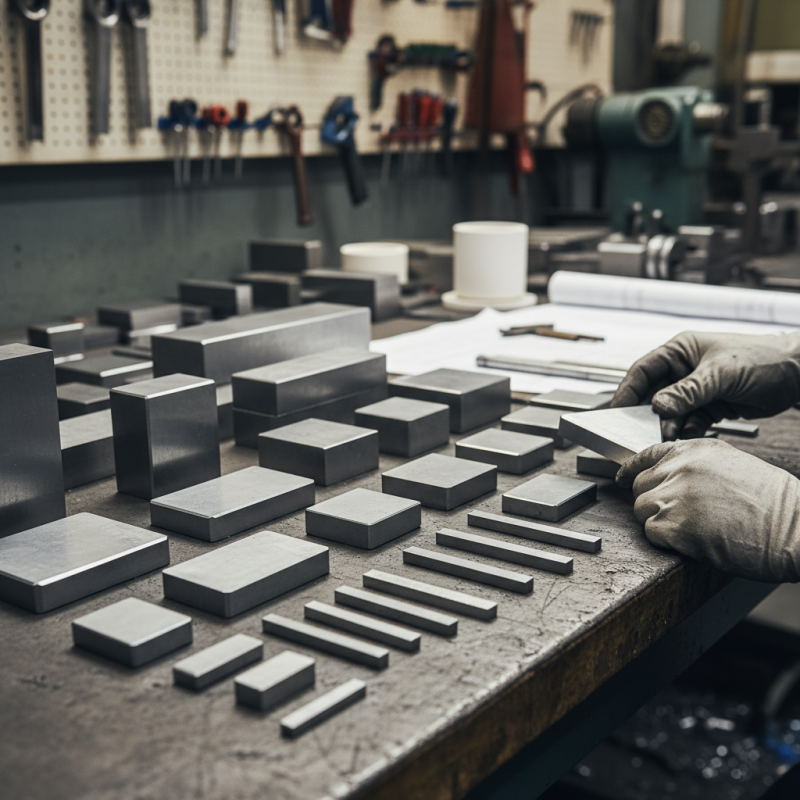
Pay attention to the dimensions and geometry of the carbide flat. The shape and size can drastically affect the tool's effectiveness. Ensure that the flat fits well with your equipment. Also, adapt your choice based on the workpiece material. Different materials may require different carbide specifications.
Tips: Test different carbide flats with varying hardness to find your ideal match. Keeping an eye on wear patterns can help you identify issues earlier. Don't hesitate to ask for expert advice if uncertain. An informed decision can save money and time in the long run.
Guidelines for Evaluating Quality and Performance of Carbide Flats
When evaluating carbide flats, quality and performance are crucial factors. Look for materials that offer durability and resistance to wear. Dense carbide can withstand harsh conditions, extending the tool's life significantly. Backing this up, a thorough inspection of the manufacturing process can reveal a lot about quality control standards.
A carbide flat’s geometry is equally important. Check if it has uniform dimensions and a consistent flatness. Inconsistencies can lead to poor performance, affecting your projects. Even slight deviations can impact precision. Sometimes, it might be tempting to overlook minor flaws, but these can accumulate to create bigger issues down the line.
Consider the flat's application. Not all carbide flats are made for every purpose. Evaluate the specific needs for your work, whether it’s cutting or shaping. Even the right choice may not yield perfect results every time. It's essential to reflect on how past experiences with carbide tools shaped your criteria. Choosing the right carbide flat requires a balanced approach of knowledge, experience, and sometimes trial and error.
Cost Considerations and Budgeting for Your Carbide Flat Needs
When budgeting for carbide flats, understanding costs is crucial. Carbide is an expensive material. A basic carbide flat can range from $200 to $1,500 or more, depending on size and specifications. According to industry reports, choosing the right size can significantly impact your expenses. Larger and more complex designs often raise production costs.
Consider the features you need. Enhanced durability or specific tolerances can inflate your budget. Studies show that investing in a higher-quality carbide flat may yield lower costs in the long run due to fewer replacements. However, not all applications require premium features. Evaluating your specific needs will help reduce unnecessary spending.
Don’t overlook maintenance costs. Even the best carbide flats need care. Neglecting maintenance can lead to faster wear and replacement. A quality carbide flat should ideally last several years with proper treatment. Reflecting on long-term costs versus short-term savings is essential in making an informed decision. Balancing performance and budget requires meticulous planning.
How to Choose the Right Carbide Flat for Your Needs? - Cost Considerations and Budgeting for Your Carbide Flat Needs
| Type of Carbide Flat |
Size (inches) |
Price ($) |
Best Use Case |
Durability Rating |
| Standard Carbide Flat |
1 x 6 |
45 |
General Machining |
3/5 |
| Precision Ground Carbide Flat |
2 x 8 |
85 |
Precision Applications |
4/5 |
| Carbide Flat with Coating |
1 x 4 |
60 |
High Wear Resistance |
5/5 |
| Custom Size Carbide Flat |
Varies |
Variable |
Specialized Applications |
Variable |
| Tungsten Carbide Flat |
1 x 3 |
75 |
Heavy-Duty Use |
5/5 |