Why Are Cutting Tool Plates Essential for Your Manufacturing Needs?
In the world of manufacturing, cutting tool plates play a critical role. Renowned expert Dr. Emily Harris, a leader in machining technology, asserts, "Cutting Tool Plates are the backbone of precision engineering." This statement highlights the inherent value these tools bring to the production process.
Manufacturers rely on cutting tool plates for their durability and effectiveness. These plates directly affect the quality of the end product. A poorly designed plate can compromise efficiency and increase costs. Investing in high-quality cutting tool plates leads to better outcomes and slower wear over time. When plates endure extended use without failure, businesses save on replacements and maintenance.
Yet, not all cutting tool plates are created equal. It's essential to assess materials and design before purchasing. Companies often overlook specifics that influence performance. Make informed decisions to avoid costly mistakes. Embracing innovation in cutting tool plates can enhance operational success. Each choice impacts the manufacturing landscape, and a thoughtful approach is key to achieving optimal results.
The Role of Cutting Tool Plates in Manufacturing Efficiency
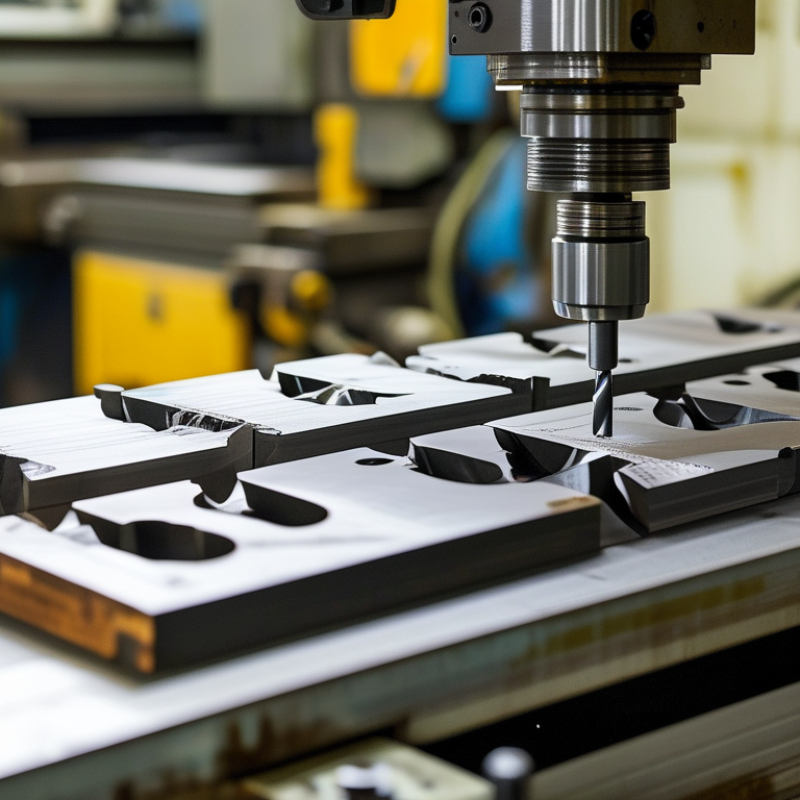
Cutting tool plates play a critical role in manufacturing efficiency. These plates are essential for ensuring precision in machining processes. According to a recent industry report, around 30% of production downtime is attributed to tool wear and failure. High-quality cutting tool plates reduce this downtime significantly. Manufacturers can achieve better consistency and reliability when utilizing superior tool plates.
In a study, it was found that companies that upgraded their cutting tool plates increased their productivity by up to 20%. This improvement demonstrates the direct correlation between tool quality and manufacturing efficiency. However, the investment in high-performance plates needs careful evaluation. Not every facility will see the same return on investment. It’s vital to assess specific manufacturing needs and operational conditions.
The choice of substrate, coating, and geometry of cutting tool plates matters greatly. For instance, tungsten carbide plates tend to outperform others in terms of durability and cutting speed. Yet, some manufacturers may find these options out of reach. Reflecting on these varied experiences can guide future decisions. Proper training and maintenance are also essential, as they enhance the performance of cutting tool plates significantly.
Efficiency Impact of Cutting Tool Plates in Manufacturing
Types of Cutting Tool Plates and Their Applications
Cutting tool plates are vital in various manufacturing sectors. Various types suit different applications. For example, carbide plates are commonly used for machining hard materials. Their hardness and wear resistance enhance productivity. Reports indicate that the global cutting tool market is projected to grow by 6% annually through 2026. This increase emphasizes the need for quality tool plates.
Another common type is ceramic cutting plates. These are ideal for high-speed machining. They withstand extreme temperatures and maintain sharpness longer. However, they can be brittle and may chip under pressure. Industry experts suggest choosing the right material based on the task.
High-speed steel (HSS) plates offer an alternative with good toughness and versatility. They are less expensive but require more frequent replacements. Studies show that using the right plate can improve machining efficiency by up to 30%. Manufacturers must balance cost with performance for optimal results.
Material Composition and Durability of Cutting Tool Plates
In the world of manufacturing, cutting tool plates play a crucial role. Their material composition is key to achieving high performance. Often made from carbide, ceramic, or cermet materials, each type offers unique benefits. Carbide plates are known for their hardness and wear resistance. Ceramic plates excel in withstand high temperatures. Understanding these materials helps manufacturers choose the right tools for their specific needs.
Durability is another critical factor. Cutting tool plates must maintain their integrity under extreme conditions. The right material can reduce wear, thus prolonging the life of the tools. However, not all plates are created equal. Some may chip or break under pressure, leading to downtime and increased costs. Manufacturers must assess their operational environment and the materials used in cutting tool plates. This assessment ensures reliability and consistency in production processes.
Balancing durability and performance is not simple. It requires ongoing evaluation of tools as manufacturing needs evolve. Conditions can change rapidly, affecting how tools perform. Regular testing and feedback can reveal weaknesses in current plates. This iterative process helps in optimizing tool selection and improving manufacturing outcomes.
Why Are Cutting Tool Plates Essential for Your Manufacturing Needs? - Material Composition and Durability of Cutting Tool Plates
| Material Type |
Hardness (HRC) |
Wear Resistance |
Tensile Strength (MPa) |
Typical Application |
| Carbide |
82-94 |
High |
2500-3000 |
Turning, Milling |
| High-Speed Steel |
60-64 |
Moderate |
2000-2500 |
Drilling, Routing |
| Ceramic |
Manual (varies) |
Very High |
1000-1500 |
High-Speed Cutting |
| Cermet |
70-90 |
High |
1500-2000 |
Finishing Operations |
Factors Influencing the Selection of Cutting Tool Plates
Choosing the right cutting tool plates is critical for enhancing manufacturing efficiency. Several factors influence this selection process. Material type is one of the key elements. High-speed steel and carbide are common choices due to their exceptional durability and resistance to wear. According to a recent market report, the global cutting tool materials market is projected to reach $30 billion by 2025, driven largely by innovations in material science.
Another important factor is the geometry of the tool plates. Different shapes are designed for various applications and can significantly impact performance. For example, a round insert may excel in certain milling operations, while a flat plate is better suited for turning tasks. A study reported that optimizing tool geometry can increase productivity by up to 25%. Selecting the wrong geometry can lead to higher costs and longer production times.
Additionally, the coating on cutting tool plates plays a pivotal role. Coatings like titanium nitride improve the lifespan of tools and enhance cutting precision. However, many manufacturers overlook this aspect, focusing primarily on the primary material. A lack of awareness can lead to underperforming tools, driving up costs in the long run. Understanding these factors is essential for making informed decisions in manufacturing environments.
Maintenance and Care for Cutting Tool Plates in Production
Maintaining cutting tool plates is crucial for effective manufacturing operations. Regular care extends their lifespan and enhances productivity. Research indicates that well-maintained cutting tools can improve machining efficiency by up to 30%. This is not just a matter of convenience; neglect can lead to defects and increased costs.
Proper inspection routines are essential. Operators should check for wear or damage regularly. Reports show that about 25% of tool failures are due to improper maintenance. It’s important to adhere to scheduled maintenance, which often includes cleaning and proper storage. When tool plates are not cleaned after use, residue buildup can affect their performance significantly.
In addition to regular checks, sharpening and replacing tips on cutting tool plates is necessary. Over time, tools lose their edge, leading to inefficiencies. Studies reveal that dull tools can increase production time by up to 40%. Proper training for operators on maintenance protocols can mitigate these issues. Emphasizing the importance of care can greatly impact overall manufacturing success.