Top Tips for Sourcing Round Carbide Rods Effectively?
Sourcing Round Carbide Rods can be a challenging task. It requires expertise and a clear understanding of industry needs. The market is filled with options, making the selection process overwhelming. Knowing what to look for is crucial.
Quality is key when sourcing Round Carbide Rods. It's essential to evaluate suppliers carefully. Look for those with a strong reputation and proven track record. Personal experiences can guide your decisions. However, even trusted suppliers can sometimes disappoint, so vigilance is necessary.
Understanding your specific requirements is vital. Different applications may need different grades of carbide. Always ask detailed questions to ensure you make informed choices. Be ready to reflect on your sourcing strategies. Sometimes, what works well in theory may not yield the best results in practice.
Understanding the Basics of Round Carbide Rods and Their Applications
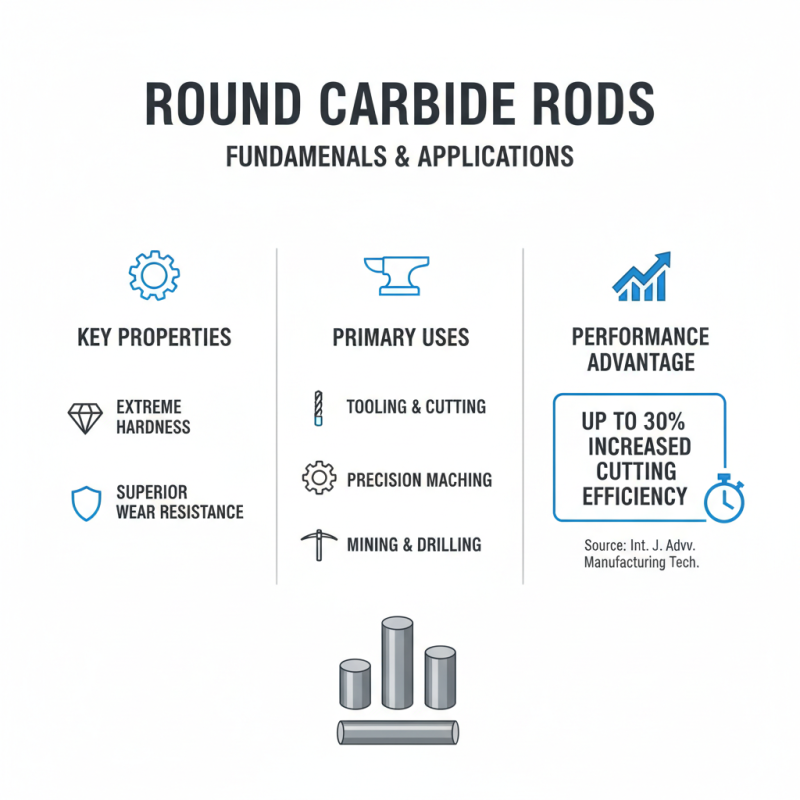
Round carbide rods are essential in various industrial applications. They are known for their exceptional hardness and wear resistance. These rods are commonly used in tooling, machining, and even mining industries. According to a report from the International Journal of Advanced Manufacturing Technology, carbide tools can increase cutting efficiency by up to 30%. This highlights the importance of high-quality round carbide rods.
Understanding their applications is crucial for sourcing. These rods are used in drills, end mills, and other cutting tools. Their diameter varies widely, typically between 3mm to 50mm. This versatility allows for different machining operations. However, issues often arise during sourcing. Sometimes suppliers may not provide accurate specifications, leading to potential mismatches in projects. It’s vital to ask for material certifications. A study by the Carbide Association notes that around 60% of sourcing issues stem from unclear supplier communication.
Industry standards play a critical role in ensuring performance. For example, cutting tools made of carbide can withstand temperatures over 1,000°C. Yet, not all products meet these standards. Regular checks and balances are necessary. Some buyers find it challenging to gauge supplier reliability. Perhaps they need a more structured approach. Understanding these aspects will enhance sourcing strategies significantly.
Identifying Reliable Suppliers for Round Carbide Rods
When sourcing round carbide rods, identifying reliable suppliers is crucial. Start by researching potential suppliers thoroughly. Look for those with a solid reputation in the industry. Their history can reveal their reliability. Check online reviews and testimonials from previous customers. This feedback often highlights strengths and weaknesses.
It’s beneficial to request samples before making any bulk purchases. Testing these samples helps assess quality firsthand. Ensure the rods meet your specifications. Pay attention to the tolerances and finish. If suppliers can't provide samples, their credibility may be questionable.
Communication plays a vital role in supplier relationships. Engage in discussions to gauge their responsiveness. Quality suppliers are usually proactive and informative. Don't hesitate to ask about their manufacturing processes. This can indicate their commitment to quality. Regular follow-ups can also reflect the supplier's dedication to customer satisfaction.
Evaluating Quality Standards for Round Carbide Rods
When sourcing round carbide rods, evaluating quality standards is crucial. Quality affects tool performance and lifespan. Buyers should look for established industry specifications. These standards can vary based on applications but generally focus on hardness, toughness, and wear resistance.
One key factor is the composition of the carbide. Different formulations can produce varying results in performance and durability. Ensure that the material meets recognized standards. This often requires verification through testing or quality certifications. Buyers should also request material data sheets from suppliers. Such documents detail the mechanical properties and composition.
Another aspect to consider is the dimensional tolerance of the rods. Precision is necessary for machining tasks. Poor dimensional accuracy can lead to wasted materials and increased costs. It's essential to discuss these specifications with potential suppliers. Understanding their machining abilities may reveal insights into their manufacturing processes. Companies should also seek feedback from other users about the supplier's reliability and the quality of the carbide rods. This helps in making informed decisions.
Comparing Prices and Sourcing Options for Carbide Rods
When sourcing round carbide rods, comparing prices is crucial. Various suppliers offer different rates, making it essential to gather quotes. Look for reputable suppliers who can provide consistency in quality. It helps to know that prices might vary based on factors such as quantity, size, and specific material properties.
Consider engaging with multiple vendors. Sometimes, smaller suppliers may offer competitive prices. Check their reputations through reviews and customer feedback. Did they meet delivery times? Quality control is key when mining for options. The trade-offs may show in turnarounds or batch accuracy. A cheaper price may not guarantee quality, so take time to evaluate choices carefully.
Make sure to assess sourcing options beyond price. Are the suppliers transparent about their processes? Trustworthy suppliers often share details about their sourcing methods and material tests. This transparency can be a red flag if not provided. Analyze overall value rather than focusing solely on cost. In this competitive marketplace, staying informed can help you make the best decisions for your carbide rod needs.
Comparison of Carbide Rod Prices from Various Suppliers