Top Cutting Tools You Need for Efficient Machining Processes?
In today's manufacturing landscape, the role of cutting tools is more critical than ever. According to a report by the Global Cutting Tools Market Analysis, the industry is projected to reach $25 billion by 2025, showcasing the soaring demand for efficient machining solutions. “High-performance cutting tools are essential for precision and productivity,” says Dr. Robert Smith, a well-known expert in cutting tool technology.
With advancements in materials and designs, the right cutting tools can significantly enhance machining processes. However, many manufacturers still rely on outdated tools that can lead to inefficiencies. For instance, using worn or poorly designed cutting tools can increase production times and costs. Recognizing these issues can lead to better investment decisions in cutting tool technology, ultimately improving overall performance.
Moreover, the complex requirements of modern machining processes highlight the necessity of choosing the right tools. From carbide inserts to high-speed steel, each type serves a specific purpose. Poor selection might not only waste resources but can also compromise product quality. Therefore, understanding the cutting tool landscape is vital for manufacturers striving for excellence.
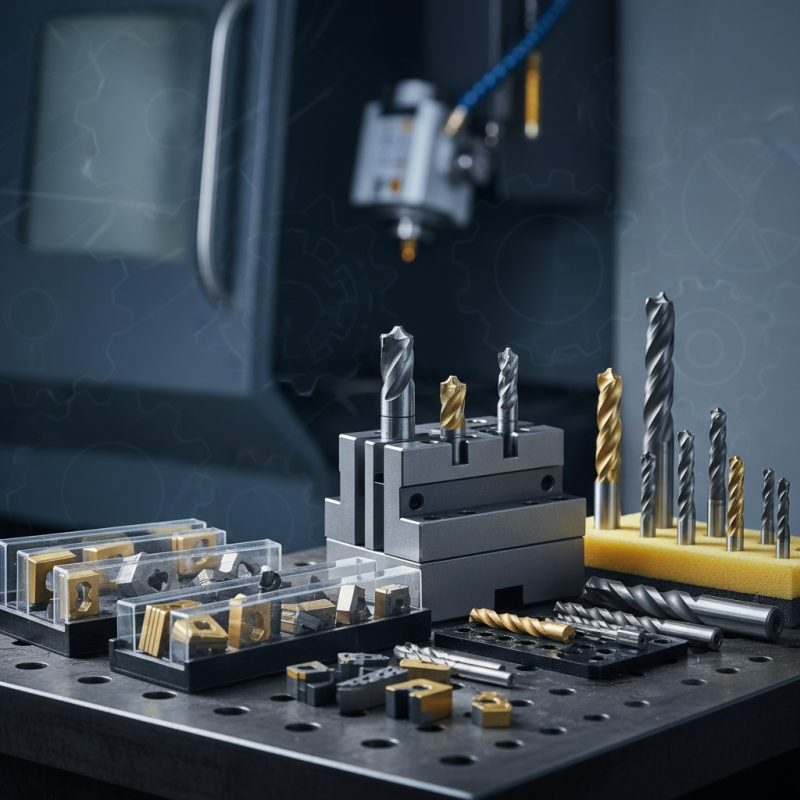
Essential Types of Cutting Tools for Machining Tasks
Cutting tools are crucial for effective machining processes. They directly influence the quality and efficiency of production. According to recent industry reports, up to 30% of machining costs can be attributed to cutting tool selection. Understanding essential types of cutting tools can significantly enhance output.
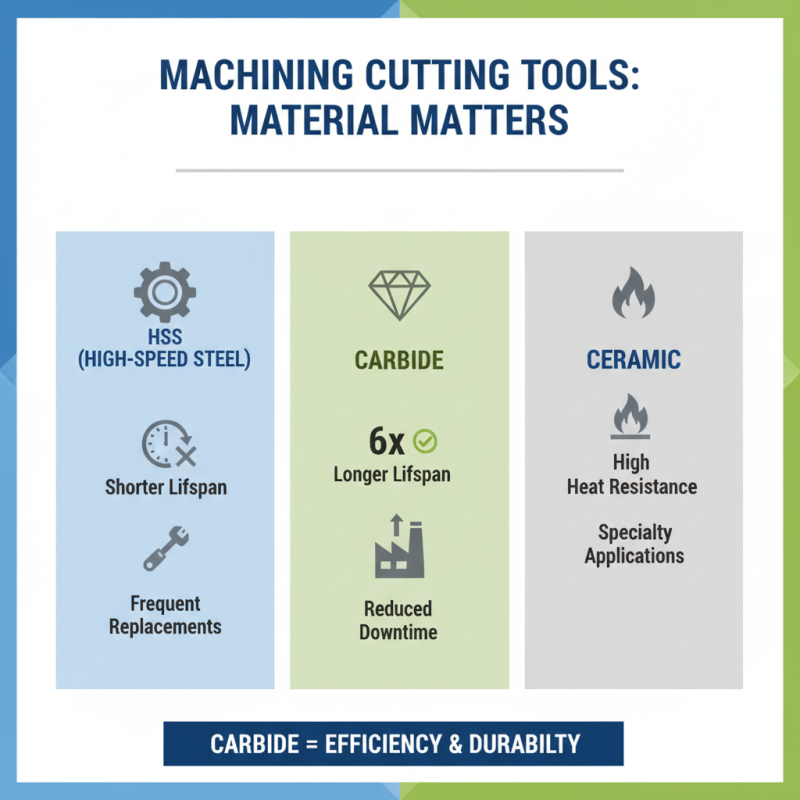
High-speed steel (HSS) tools are widely used due to their versatility. They are cost-effective and have decent wear resistance. However, HSS tools may not withstand high cutting speeds. For tougher materials, carbide tools are more suitable. They offer better hardness and wear properties. A study reveals that carbide tools can last up to three times longer than HSS.
Additionally, ceramic cutting tools have gained popularity in recent years. Their ability to perform in extreme temperatures is commendable. Yet, they are often brittle, which can lead to chipping. The choice of cutting tool depends on the task at hand. Reflecting on tool selections can optimize your machining process. Careful evaluation is necessary for better economic performance. While advancements are prevalent, there is always room for improvement.
Factors to Consider When Choosing Cutting Tools
When selecting cutting tools for machining, several factors come into play. The material of the tool is critical. High-speed steel (HSS), carbide, and ceramic are commonly used materials. According to industry reports, carbide tools can last up to six times longer than HSS tools. This durability results in lower replacement rates and reduced downtime, which are vital for efficient operations.
Cutting speed and feed rate are also essential considerations. These parameters impact tool life and surface finish. A study from a leading manufacturing association found that optimizing these factors can improve production efficiency by up to 30%. However, finding the right balance is tricky. An inappropriate setting can lead to tool wear or poor quality workpieces.
Lastly, understanding the specific application is crucial. Different materials and machining conditions demand different tools. A recent survey noted that 50% of machinists experience problems due to improper tool selection. This highlights the importance of research and testing to improve outcomes. Selecting the right tool isn't just about costs; it’s about maximizing efficiency and ensuring quality.
Performance Characteristics of Common Cutting Tools
When it comes to machining processes, choosing the right cutting tools is crucial for efficiency. Tools like carbide inserts and high-speed steel often dominate the industry due to their performance characteristics. Carbide tools, for instance, can maintain their hardness at higher temperatures. They are ideal for high-speed machining. High-speed steel, on the other hand, is more versatile but may wear faster under intense conditions.
Cutting tool life is another important aspect. Studies have shown that proper tool selection can reduce wear by up to 30%. This can significantly lower costs. It's essential to consider the material you are machining. For example, tools designed for aluminum will differ from those used on stainless steel.
Tips: Always observe your tools for signs of wear. Regular inspection helps prevent unexpected failures. Additionally, fine-tuning cutting parameters can lead to better surface finish and longer tool life. Remember, even the best tools require periodic evaluation to ensure optimal performance.
Maintenance and Care Tips for Optimal Tool Longevity
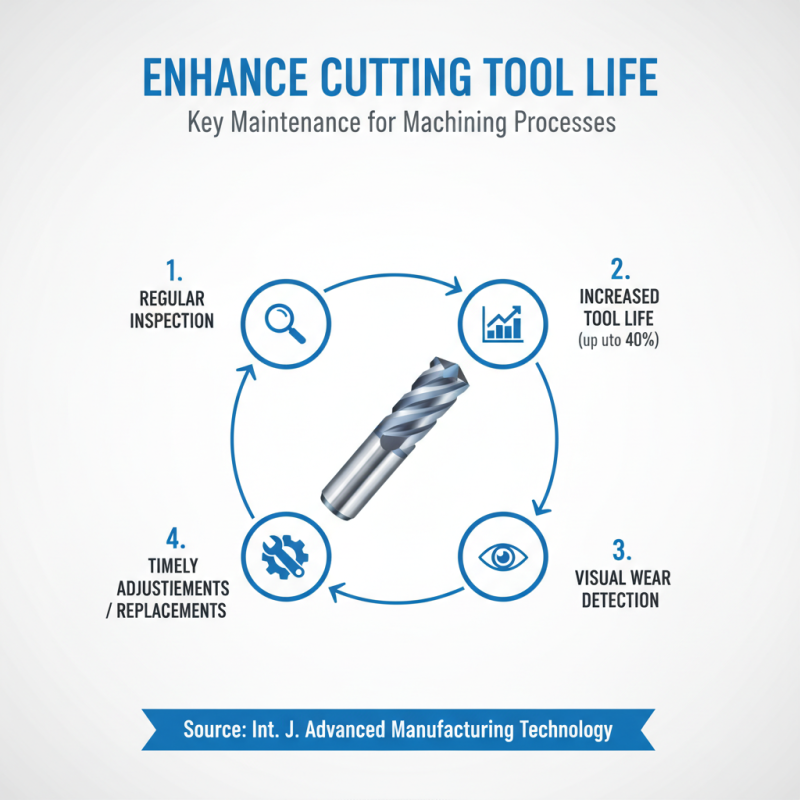
Proper maintenance of cutting tools is crucial in machining processes. Regular inspection can enhance tool life significantly. According to a report from the International Journal of Advanced Manufacturing Technology, proper tool maintenance can increase tool life by up to 40%. A simple visual inspection can reveal wear patterns. Early detection allows for timely adjustments or replacements.
Using appropriate cooling methods is also vital. Insufficient cooling can lead to thermal damage. Studies indicate that overheating can shorten tool life by 30%. Ensuring coolant reaches the cutting edge can mitigate these risks. Additionally, storing tools in a dry, controlled environment helps prevent corrosion. Even minor rust can degrade performance.
After usage, clean tools thoroughly. Chips and debris often cling to surfaces. This residue can lead to pitting and wear. Simple cleaning routines can prevent long-term damage. Tools should be regularly sharpened to maintain efficiency. However, over-sharpening can be counterproductive. It’s essential to find a balance. Each step in tool care is an opportunity for improvement.
Innovations in Cutting Tool Technology for Enhanced Efficiency
Innovations in cutting tool technology are crucial for enhancing machining efficiency. Recent reports indicate that advanced materials and coatings can significantly improve tool life and performance. For instance, carbide tools with specialized coatings can reduce friction and increase overall durability. These improvements allow for higher cutting speeds and better surface finishes, driving productivity in manufacturing environments.
One key area of innovation is the development of tool geometry. Optimized shapes can lead to better chip removal and reduced heat generation. For example, tools designed with specific angles can enhance cutting efficiency by 20% or more. However, not all designs work seamlessly in every application. It's essential to match tool geometry with the materials and requirements of the machining process.
Tips: Assess your current cutting tool performance regularly. Look for signs of wear or damage to maximize efficacy. Also, consider investing in new technologies that suit your specific needs. Staying informed about market trends can help identify tools that yield better results. Innovation doesn’t mean change; it means improving what's already in place. Each update can lead to better outputs when applied judiciously.
Top Cutting Tools You Need for Efficient Machining Processes
| Tool Type |
Material |
Coating |
Application |
Efficiency Improvement (%) |
| End Mill |
Carbide |
TiAlN |
Machining Aluminum |
25% |
| Turning Tool |
High-speed Steel |
CVD |
Turning Steel |
30% |
| Drill Bit |
Cobalt |
ZrN |
Drilling Stainless Steel |
20% |
| Face Mill |
Carbide |
TiN |
Milling Cast Iron |
15% |
| Tapping Tool |
Carbide |
TiAlN |
Tapping Aluminum |
10% |