Top 5 Tips for Choosing Polished Tungsten Plate for Your Needs?
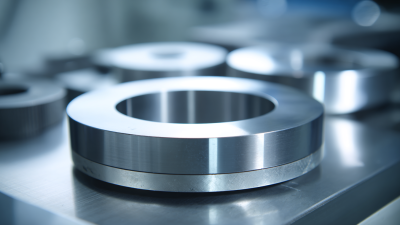
When selecting a Polished Tungsten Plate, understanding its importance is crucial. Tungsten is known for its superior density and durability. According to recent market studies, the demand for tungsten products is expected to grow significantly in various industries, such as aerospace and electronics. This growth highlights the need to make informed choices.
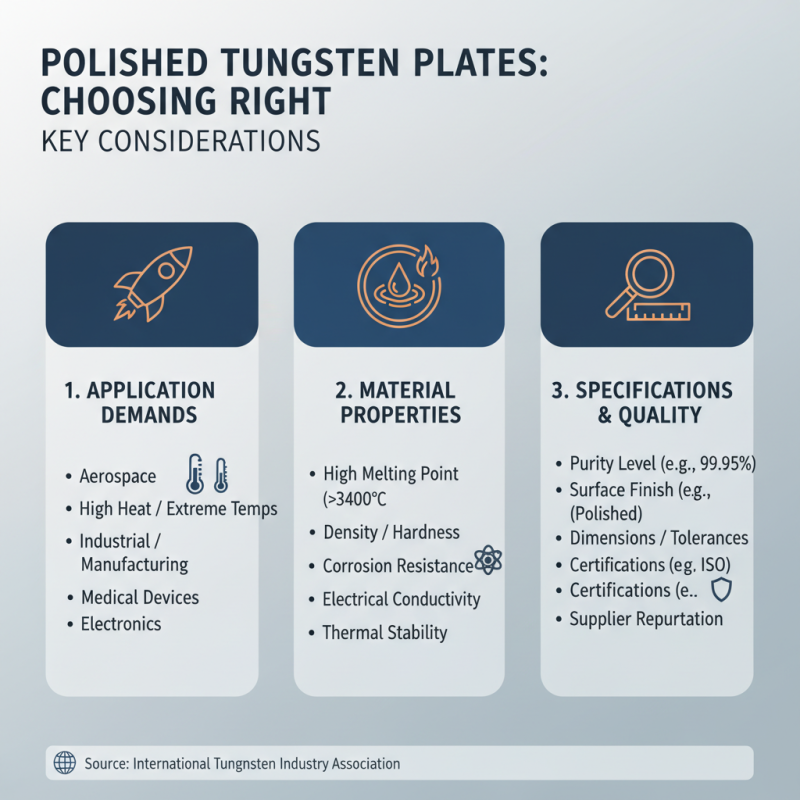
Choosing the right Polished Tungsten Plate isn't always straightforward. Factors like thickness, finish, and supplier credibility can greatly affect performance. A lack of attention to these details can be detrimental, leading to poor functionality and increased costs. Many buyers regret not conducting thorough research. It’s essential to be aware of the specific grade of tungsten and its applications in your projects.
Professional reports indicate that polished finishes enhance surface characteristics, improving wear resistance. Yet, not all suppliers maintain high standards. Some products might not meet the claimed specifications. Ensuring quality in a Polished Tungsten Plate requires diligence and insight. Take the time to assess your needs for optimal results.

Understanding Polished Tungsten Plate: Properties and Benefits
Polished tungsten plates offer remarkable properties that make them ideal for various applications. Tungsten is known for its high density and exceptional hardness. These characteristics make polished tungsten plates resistant to wear and thermal stress. Reports indicate that tungsten has a melting point of over 6,000°F, making it suitable for high-temperature environments.
In addition to strength, polished tungsten plates exhibit excellent corrosion resistance. This quality is often essential in industries like aerospace and defense. However, it's important to note that while tungsten is durable, it can be brittle in extreme conditions. Users must assess their needs carefully. Each application may require different thicknesses and finishes, which can impact performance.
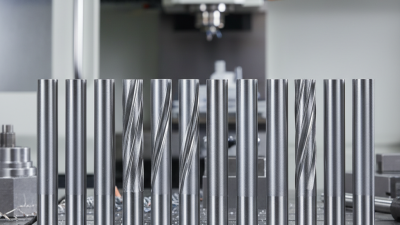
One concern is the machining of tungsten. It can be difficult to work with due to its density and hardness. Proper tools and techniques are necessary for shaping and finishing. Altering the surface can also affect the final product. Users should consider whether they need a mirror finish or a more textured surface. Understanding these factors is crucial in choosing the right polished tungsten plate for specific applications.
Top 5 Tips for Choosing Polished Tungsten Plate for Your Needs
| Tip |
Description |
Benefits |
| 1. Determine Thickness |
Consider the appropriate thickness according to your application requirements. |
Ensures durability and suitable weight for specific uses. |
| 2. Assess Purity Level |
Choose plates with high purity to enhance performance. |
Greater resistance to corrosion and superior mechanical strength. |
| 3. Surface Finish Requirements |
Select a finish that meets your aesthetic and functional needs. |
Improves appearance and can impact functionality in applications. |
| 4. Evaluate Cost-Effectiveness |
Balance price against other quality factors. |
Helps in budgeting while ensuring quality materials. |
| 5. Consider Supplier Reputation |
Research suppliers to ensure quality assurance and reliability. |
Reduced risk of defects and improved service experience. |
Assessing the Quality: Key Factors for Polished Tungsten Selection
When choosing polished tungsten plates, assessing quality is crucial. Start with thickness. A thicker plate generally offers better durability and resistance to wear. Check the surface finish. A fine polish indicates careful processing. Look for even surfaces without scratches or blemishes. These features enhance functionality and aesthetics.
Next, consider the composition of tungsten. Pure tungsten is denser and stronger. Some alloys may offer better performance in specific conditions. Evaluate the supplier’s reputation. A well-reviewed supplier is more likely to deliver high-quality products. Ask for samples if possible. This helps to assess quality before committing to a large purchase.
Quality control matters too. Ensure the manufacturer follows strict quality assurance protocols. Small deviations can impact performance. Pay attention to packaging. Well-packaged plates are less likely to get damaged during shipping. These details are often overlooked, yet they can greatly affect your experience. Remember, investing in a high-quality polished tungsten plate pays off in the long run.
Matching Applications: Determining Your Specific Needs
Choosing the right polished tungsten plate requires understanding your specific needs. Different applications have varying demands. For instance, in aerospace, tungsten's high melting point is crucial. According to a report from the International Tungsten Industry Association, tungsten can withstand temperatures above 3,400°C. This resilience makes it ideal for components subjected to extreme heat.
In medical fields, tungsten is favored for its density and biocompatibility. Used in radiation shielding, the material must meet stringent safety standards. A study showed that tungsten plates reduce exposure by 60% compared to lead counterparts. However, not all polished tungsten is equal. Variations in thickness and finish can affect performance in specific applications.
It's easy to overlook these details. One might choose a plate based on cost alone. However, investing in the right specifications ensures long-term functionality. Seek expert advice if unsure. Factors like thickness, surface finish, and purity play a significant role. Poor choices can lead to unexpected failures. Assess your project requirements carefully before making a decision.
Evaluating Supplier Reliability: Questions to Ask
When selecting a polished tungsten plate, supplier reliability is crucial. Many manufacturers promise high-quality products, but how do you assess their actual reliability? Start by asking about their experience in the industry. According to industry reports, suppliers with over five years of experience tend to maintain better standards. You want to ensure you’re not working with a novice.
Consider asking for references. A supplier should willingly provide contacts of past clients. This allows you to gauge their performance and reliability. Reports indicate that 70% of satisfied clients will affirm a supplier's consistency and adherence to deadlines. This information can help you make a more informed choice.
Tip: Look at the quality certifications of the supplier. Certificates like ISO 9001 are indicators of compliance with international standards. While many suppliers display certifications, some may not uphold them consistently. Regular audits can signify a commitment to quality, but a lack of updates can raise red flags. Always confirm the authenticity of these claims before proceeding.
Polished Tungsten Plate Supplier Reliability Evaluation
Cost Considerations: Balancing Quality and Price for Tungsten Plates
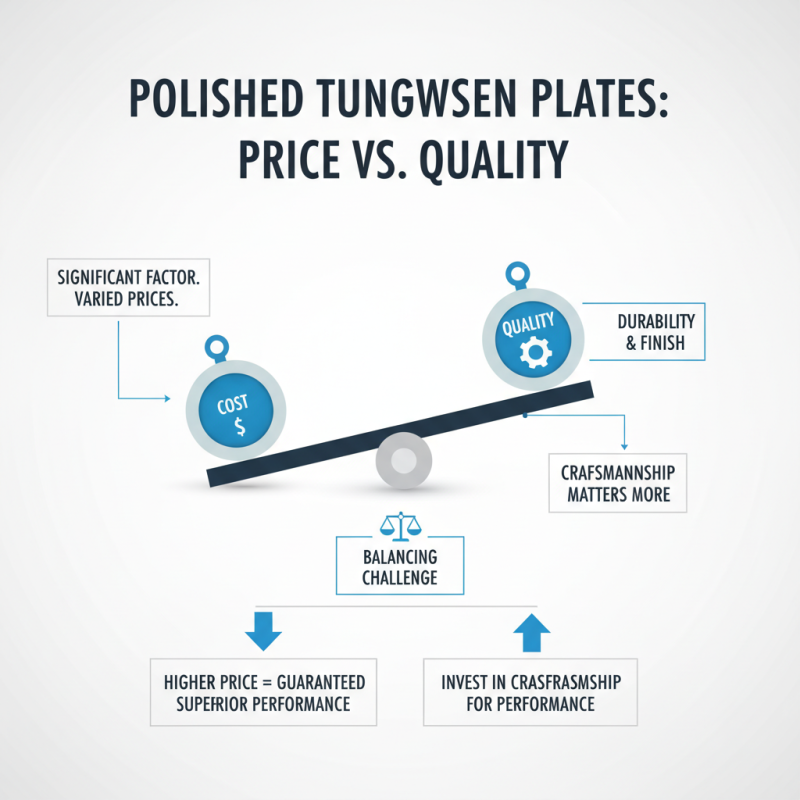
When selecting a polished tungsten plate, cost is a significant factor. Balancing quality and price can be challenging. Higher-priced tungsten plates may offer better durability and finish. However, not all expensive options guarantee superior performance. It’s the craftsmanship that counts.
Consider your needs carefully. Are you using the tungsten plate for industrial purposes or personal projects? For industrial applications, investing in a high-quality plate can lead to long-term savings. A cheaper option may wear out quickly, leading to additional costs later.
Look for suppliers who provide a balance of quality and cost. Compare different products before making a choice. Ask for samples to assess the quality first-hand. Pay attention to the finish and any potential defects.
Remember, the cheapest option is not always the best. Evaluate the specifications closely. Look for user reviews that provide insight into durability and effectiveness. Take time to reflect on your requirements, as this can help in making a sound decision. Quality often outweighs price, but practicality matters too.