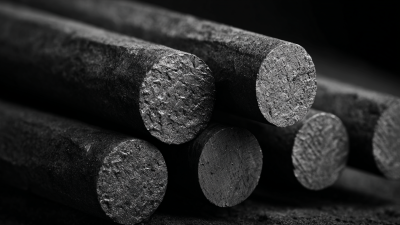
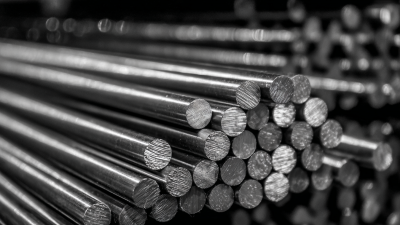
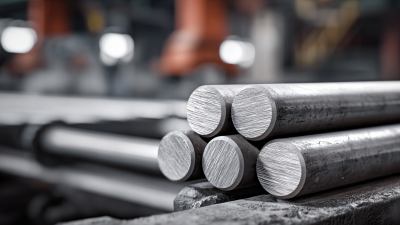
Top 10 Cemented Carbide Round Bars You Should Consider?
Cemented Carbide Round Bars are essential in various industrial applications due to their superior hardness and wear resistance. According to industry reports by TechSci Research, the global cemented carbide market is projected to reach USD 31.65 billion by 2025, driven by rising demand in manufacturing and construction sectors. These bars offer exceptional performance in harsh environments, making them a preferred choice for cutting tools, wear parts, and more.
Selecting the right Cemented Carbide Round Bars can be daunting. With various grades and specifications available, understanding their mechanical properties is crucial. A recent study from MarketsandMarkets highlights that the demand for high-performance materials has surged, as industries seek efficiency and durability. This trend underscores the importance of informed choices when investing in these products.
It's clear that not all Cemented Carbide Round Bars are created equal. Users must consider factors like composition, toughness, and intended application. A thoughtful selection process can prevent costly mistakes. As cemented carbide technology advances, new options will emerge, challenging existing standards and expectations. Evaluating these developments is key to remaining competitive in the market.
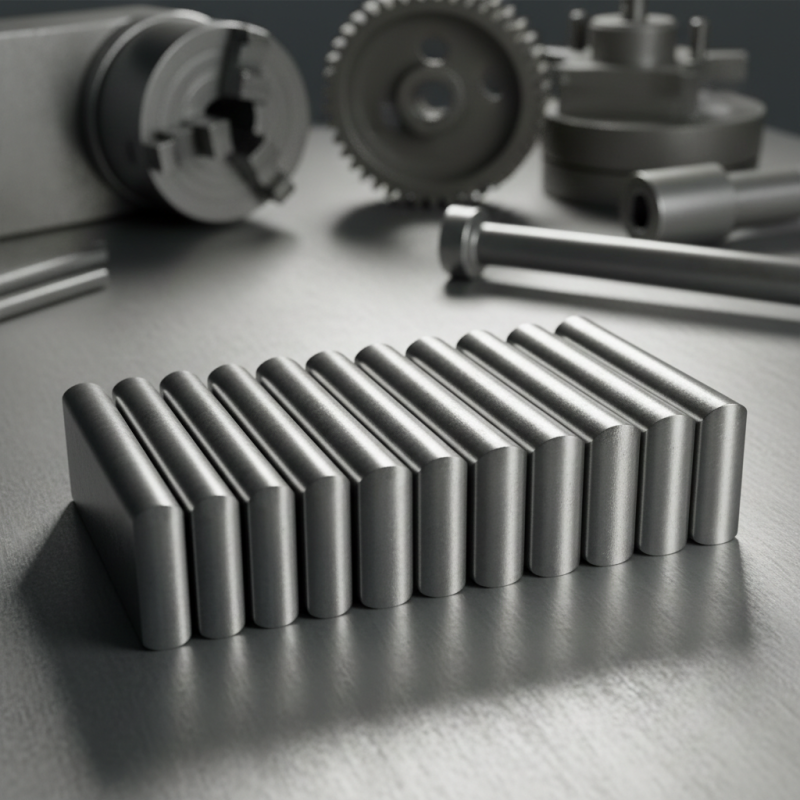
Top 10 Cemented Carbide Round Bars: An Overview of Material Properties
Cemented carbide round bars are essential in many industries, from manufacturing to construction. Their unique properties make them ideal for various applications. The most notable characteristic is their hardness. They can withstand high temperatures and intense friction. This makes them crucial for tool-making and machining operations.
Another key feature is their toughness. Cemented carbide is not easily chipped or fractured. It can absorb shock without losing its structural integrity. In addition to hardness and toughness, these round bars exhibit excellent wear resistance. This quality can prolong tool life, reducing replacement frequency and costs. However, manufacturing imperfections sometimes occur, impacting performance.
The composition of cemented carbide contributes to its properties. Typically, tungsten carbide and cobalt are combined to create a durable alloy. Yet, varying ratios can lead to differences in hardness and toughness. Finding the right balance is critical. The choice of round bar should align with project requirements, considering these material properties. Navigating this selection can be challenging, as the best option may not always be the most apparent.
Key Applications of Cemented Carbide Round Bars in Industry
Cemented carbide round bars are essential in various industries, known for their high hardness and wear resistance. According to a recent industry report, these bars can exhibit compressive strengths between 2000 to 2500 MPa, making them invaluable in demanding applications. They find extensive use in the manufacturing of cutting tools, where durability is paramount. The aerospace and automotive sectors particularly leverage these bars to enhance performance and efficiency.
In the oil and gas industry, cemented carbide round bars serve a critical role. They are used in drilling applications, where high impact resistance is necessary. A study indicated that tools made from these bars can last up to 50% longer than their conventional counterparts. The mining industry also benefits significantly; these bars are used in parts that interact with abrasive materials. However, despite their advantages, the initial cost of cemented carbide round bars can be high, which may deter some smaller businesses from utilizing them.
Moreover, the recycling of cemented carbide presents challenges. The process can be complex, and often not all material can be recovered effectively. Many companies are navigating these difficulties while aiming to reduce waste and enhance sustainability. Balancing performance, cost, and environmental impact remains an ongoing conversation in the industry.
Comparative Analysis of Leading Manufacturers in Cemented Carbide Sector
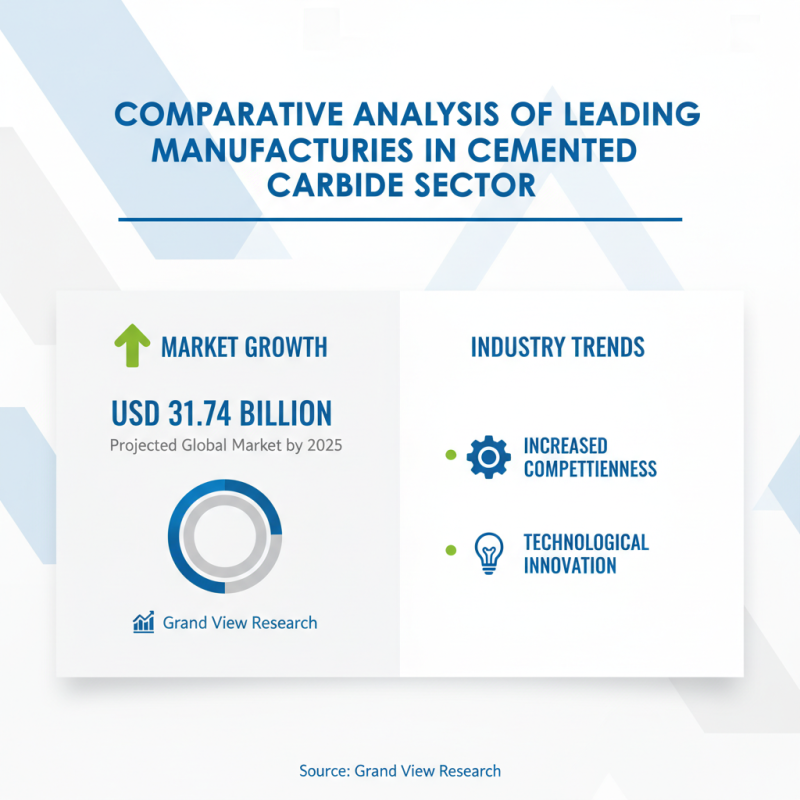
The cemented carbide industry has seen significant growth in recent years. According to a comprehensive market analysis by Grand View Research, the global cemented carbide market is projected to reach USD 31.74 billion by 2025. This dramatic rise emphasizes the competitiveness and innovation among leading manufacturers in this sector.
Evaluating manufacturers in this field reveals inconsistencies in production techniques. Some companies prioritize advanced technologies like powder metallurgy while others rely on traditional methods. The efficiencies achieved through modern techniques can lead to enhanced performance in applications such as tooling and wear-resistant parts. However, the transition to new technologies often involves substantial investment and risk.
Quality control remains an area needing improvement. Some manufacturers struggle with maintaining consistency in dimensions and properties, affecting end-user satisfaction. As demand for precision components grows, manufacturers must address these quality issues. Understanding variations in material compositions and their impacts on performance is crucial for staying competitive. Maintaining transparency in production processes can build trust with customers, enhancing reputation in the long run.
Performance Metrics: Hardness and Wear Resistance of Round Bars
Cemented carbide round bars are essential tools in various industrial applications. Their hardness and wear resistance are crucial performance metrics. Studies from leading material science journals indicate that these bars often achieve hardness levels exceeding 1600 HV. This high hardness allows them to withstand significant stress and abrasion during operation.
The wear resistance of cemented carbide is another pivotal factor. Research has shown that the wear rate can be reduced by up to 30% when comparing carbide bars to conventional steel options. This makes them a preferred choice in environments where durability is critical. However, despite their advantages, some users report unexpected wear under certain conditions. It's essential to consider factors like temperature and lubrication for optimal performance.
While the benefits are clear, not all carbide round bars perform at the same level. Variations in composition can lead to inconsistencies in hardness and wear resistance. A thorough understanding of these metrics, along with proper selection criteria, is necessary. This knowledge helps in making informed decisions for specific applications, ensuring you choose the right material for the job.
Performance Metrics: Hardness and Wear Resistance of Cemented Carbide Round Bars
Cost-Benefit Analysis of Choosing Cemented Carbide Over Alternatives
When considering materials for industrial applications, cemented carbide round bars offer distinct advantages. These bars are made from a mixture of carbide particles and metal, providing enhanced hardness and wear resistance. They excel in machining operations, where precision is crucial. The cost of cemented carbide is higher initially compared to alternatives like high-speed steel. However, their durability and longevity can lead to greater cost savings over time.
Investing in cemented carbide can lead to fewer tool changes and reduced downtime. This impacts productivity positively. Users might find the upfront cost daunting. Yet, the reduced maintenance and longer life cycle of cemented carbide products often outweigh the initial investment. It's essential to analyze specific project requirements. Sometimes, cheaper alternatives may not deliver the desired performance or longevity, leading to overall higher costs.
Reflecting on user experiences reveals that many underestimate the importance of material choice. A wrong decision can lead to inefficient outcomes. Understanding the full scope of benefits from cemented carbide, including its resistance to wear and excellent dimensional stability, can shape better investment choices. It's about identifying a balance between initial costs and long-term value.
Top 10 Cemented Carbide Round Bars You Should Consider
| No. |
Diameter (mm) |
Length (mm) |
Hardness (HRA) |
Cost ($/kg) |
Applications |
| 1 |
10 |
1000 |
90 |
50 |
Cutting Tools |
| 2 |
12 |
1200 |
92 |
55 |
Drilling |
| 3 |
14 |
1400 |
91 |
60 |
Milling |
| 4 |
16 |
1600 |
89 |
65 |
Gear Cutting |
| 5 |
18 |
1800 |
90 |
70 |
Punching |
| 6 |
20 |
2000 |
93 |
75 |
Forming |
| 7 |
22 |
2200 |
88 |
80 |
Extrusion |
| 8 |
25 |
2500 |
86 |
85 |
Wire Drawing |
| 9 |
30 |
3000 |
91 |
90 |
Impact Tools |
| 10 |
35 |
3500 |
94 |
95 |
Specialty Tools |