China Top Tungsten Carbide Round Bars Suppliers?
China remains the most influential sourcing base for Tungsten Carbide Round Bars, supported by its deep tungsten supply chain and mature carbide-processing industry. The U.S. Geological Survey’s Mineral Commodity Summaries reports that China continues to lead global tungsten mine production by a wide margin. This position supports strong access to tungsten powder, cobalt binders, pressing equipment, and sintering capacity.
Demand is also linked to wider tooling and manufacturing trends. Reports from Grand View Research and MarketsandMarkets identify cutting tools, mining equipment, and wear components as major carbide applications. However, market reports often combine several carbide product categories. Their figures should not be treated as a direct ranking of bar suppliers. That distinction matters.
A reliable supplier evaluation needs more than export volume. Buyers should examine carbide grade, cobalt percentage, grain size, hardness, transverse rupture strength, straightness, and surface finish. A bar used for a precision reamer needs different performance from one used in a high-impact mining tool. Ask for batch records and third-party test results. Check whether the factory operates under a documented quality system, such as ISO 9001.
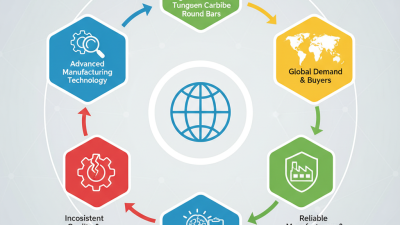
Factory experience is visible in practical details. Inspect powder preparation, pressing control, vacuum sintering, centerless grinding, and packaging protection. Small defects can become visible only after brazing or machining. Supplier rankings change. No ranking stays perfect. Some companies publish impressive capacity but provide limited traceability or inconsistent tolerances. This guide will compare China’s leading Tungsten Carbide Round Bars suppliers through technical capability, quality evidence, production experience, customization, and export reliability. The goal is not to promote the largest name. It is to identify the most dependable match for each application.
What Are Tungsten Carbide Round Bars?
China Top Tungsten Carbide Round Bars Suppliers?
What Are Tungsten Carbide Round Bars?
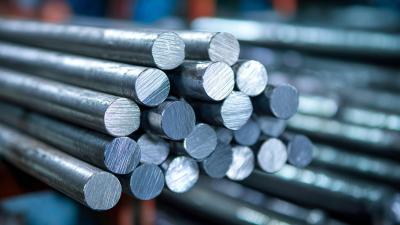
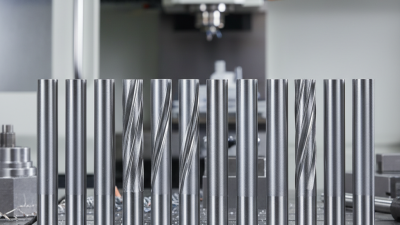
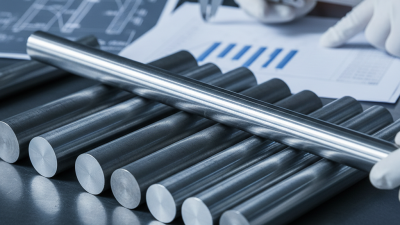
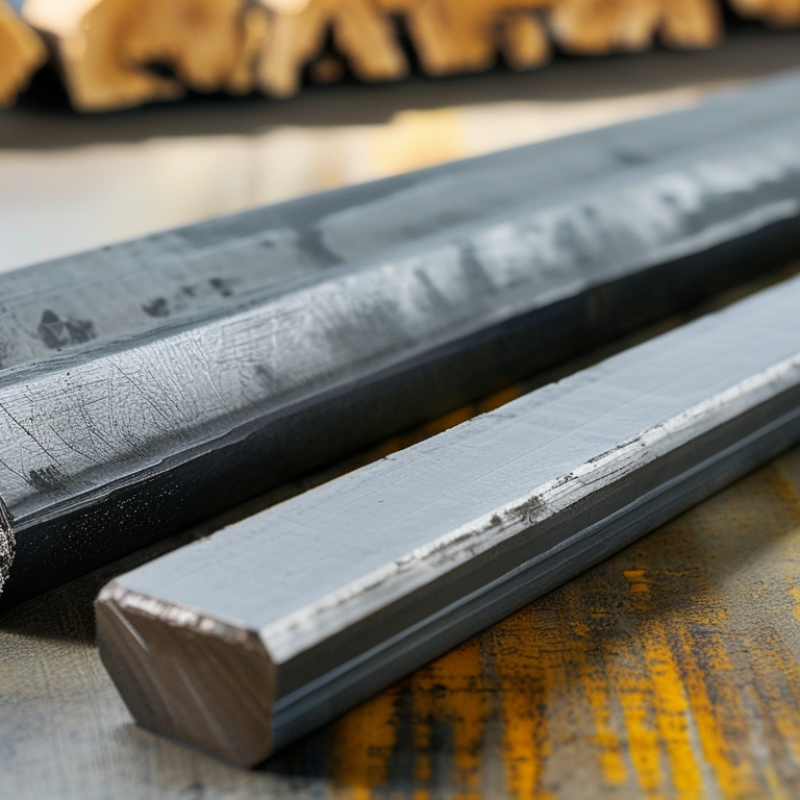
Tungsten carbide round bars are cylindrical cutting blanks made from tungsten carbide grains and a metallic binder, commonly cobalt. Manufacturers press, sinter, and grind the powder into precise rods. The carbide provides high hardness and wear resistance. The binder adds toughness and reduces sudden fracture. According to the U.S. Geological Survey’s Mineral Commodity Summaries 2024, global tungsten mine production reached about 84,000 metric tons in 2023. This supply supports cutting tools, drills, end mills, and wear components. However, tungsten availability does not guarantee consistent bar quality. Powder purity, grain size, binder content, and sintering control matter more than appearance.
Round bars may be solid, coolant-fed, polished, or ground to a specified tolerance. Fine-grain grades generally support sharper cutting edges. Coarser grades may tolerate heavier impact. Typical hardness often falls near 89–94 HRA, while transverse rupture strength varies by composition and manufacturing process. These figures are indicative, not universal. The cemented carbide industry still has trade-offs. Higher hardness can reduce toughness. A supplier’s certificate should identify grade, density, hardness, porosity, and dimensional tolerance. Independent testing is worth considering for demanding production.
Tips: Match the bar grade to the workpiece, cutting speed, and coolant method. Check straightness and diameter before machining. Ask for lot-level inspection records, not only a general brochure. One overlooked detail is edge preparation. A small chamfer can reduce chipping, but an unsuitable chamfer may weaken the tool. Even experienced buyers can overfocus on hardness. That is a mistake worth reviewing.
Key Properties and Applications of Tungsten Carbide Round Bars
China Top Tungsten Carbide Round Bars Suppliers?
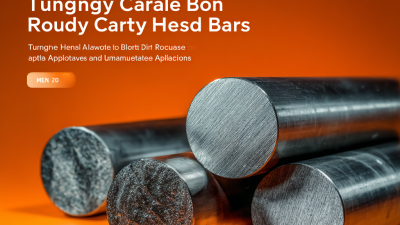
Tungsten carbide round bars are valued for exceptional hardness, wear resistance, and compressive strength. They are made from tungsten carbide grains bonded with cobalt or another metallic binder. Grain size affects cutting performance. Fine grades usually support sharper edges, while coarser grades can absorb impact more effectively. Hardness alone can mislead. A very hard bar may become brittle under vibration or interrupted cutting.
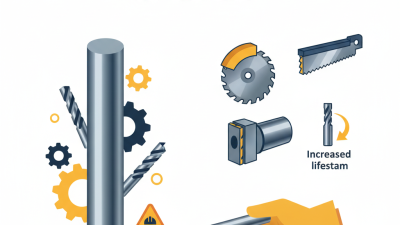
These bars commonly support end mills, drills, reamers, and precision wear components. Their performance depends on more than material grade. Diameter tolerance, straightness, surface finish, and internal defects also matter. During practical machining, a poorly finished bar can cause uneven grinding or premature edge failure. Experienced buyers should request test data, including hardness, transverse rupture strength, density, and dimensional inspection results. Applications involving aluminum, steel, wood, or stone may require different carbide structures and binder levels.
Tips: Match grain size and cobalt content to the real workload. Check certificates against the delivered batch, not only a sample. Ask how bars are sintered, ground, and inspected. Small differences can become visible after hours of cutting. Do not select the hardest option automatically. Trial machining remains useful, because workshop vibration, coolant, and tool geometry can change results. Supplier claims should be reviewed carefully.
Leading Manufacturing Regions and Supplier Capabilities in China
China’s tungsten carbide round-bar supply is strongly regional. Hunan, especially Zhuzhou, combines tungsten processing, powder metallurgy, and tool-manufacturing expertise. Sichuan, including Zigong, adds long-established mining and carbide production capacity. Jiangsu and Guangdong often compete through precision grinding, export logistics, and flexible order sizes.
The USGS Mineral Commodity Summaries 2025 estimates China produced 67,000 metric tons of tungsten content in 2024. That equals about 83% of global mine output. The International Tungsten Industry Association also identifies China as the dominant upstream producer. However, mining scale does not guarantee consistent round-bar quality. Published figures have limits. Mine output is not finished-bar output.
Reliable suppliers should explain WC grain size, cobalt percentage, hardness range, transverse rupture strength, and straightness tolerance. They should also provide batch traceability and inspection records. ISO certification helps, but it does not prove grinding accuracy or sintering control. I would compare three samples under identical cutting conditions. A lower quote can still be the wrong choice.
Tips: Request dimensional reports, metallographic images, and recent test data. Check surface defects under strong light. Confirm tolerance after grinding, not only before it. Independent testing is wiser for critical tooling.
How to Select the Right Chinese Supplier for Your Requirements
When selecting a Chinese tungsten carbide round bar supplier, begin with technical fit, not search rankings. “Top” often means visible online, not consistently capable. Ask about carbide grade, cobalt content, grain size, density, hardness, and transverse rupture strength. These values should match your cutting speed, impact load, and working material.
Ask for evidence. Request recent inspection reports, material certificates, and dimensional records for actual production batches. Check diameter tolerance, straightness, surface finish, and edge condition. A sample order can reveal grinding marks, uneven color, or packaging weaknesses. Details matter. I would also compare the sample with the supplier’s stated specifications, because small differences may affect tool life.
A dependable supplier should explain its powder preparation, pressing, sintering, grinding, and final inspection processes. Factory photographs are useful, but a live video audit or independent inspection offers stronger evidence. Confirm lot traceability, production capacity, lead times, export documents, and responses to nonconforming goods. ISO certification can support credibility, but verify its scope and validity rather than accepting a scanned logo. Communication quality is another practical test. Technical questions should receive precise answers, not copied sales language. I have seen attractive quotations hide unclear tolerances and expensive rework. That risk deserves attention before signing a purchase agreement.