Top Benefits of Using Blank Carbide Plates in Manufacturing?
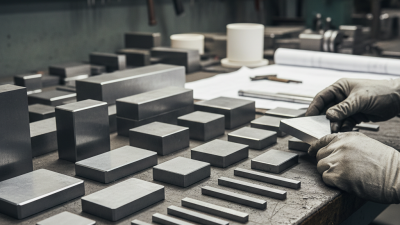
In the competitive landscape of manufacturing, the choice of materials can greatly impact efficiency and quality. One material that stands out is the Blank Carbide Plate. According to a recent industry report from MarketsandMarkets, the global carbide tools market is projected to reach USD 11.93 billion by 2026, driven by rising demand across various sectors.
Blank Carbide Plates offer superior hardness and wear resistance. These features make them ideal for cutting, machining, and forming applications. A study from the Institute for Manufacturing highlights that using carbide materials can increase tool life by up to 50%. This significant improvement ensures reduced downtime and enhanced productivity in manufacturing lines.
However, adopting Blank Carbide Plates is not without challenges. The initial cost can be higher than traditional materials. Manufacturers must weigh these costs against the long-term benefits of durability and performance. As industries evolve, understanding the balance between investment and ROI becomes critical.
Advantages of Blank Carbide Plates in Precision Machining
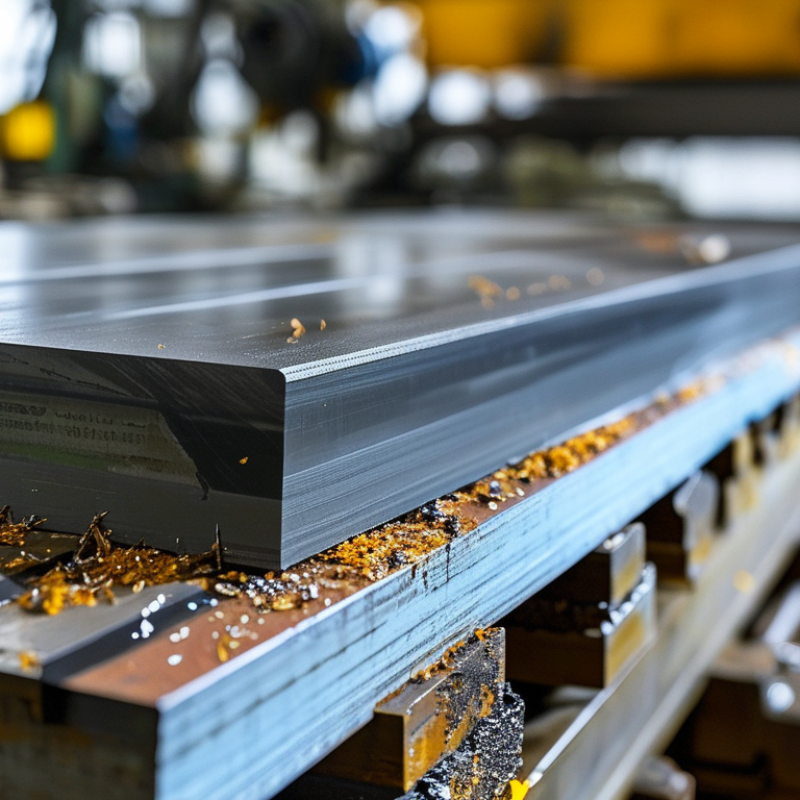
Blank carbide plates play a crucial role in precision machining applications. These plates offer remarkable hardness and wear resistance, making them ideal for cutting tools. According to industry reports, carbides can be up to five times harder than high-speed steel, providing superior performance. This hardness enhances the longevity of tools, ultimately reducing costs for manufacturers and improving production efficiency.
Moreover, blank carbide plates facilitate tight tolerances during machining processes. The stability of carbide at high temperatures ensures that dimensional accuracy is maintained. A recent survey indicated that manufacturers utilizing carbide plates achieve up to 30% better precision in their components. However, achieving optimal results often demands careful handling during the machining stage. Machinists must be mindful of tooling strategies to prevent chipping, which can be costly and time-consuming to rectify.
In addition to improved durability and precision, blank carbide plates allow for versatility in manufacturing. They can be machined into various shapes and sizes, accommodating diverse applications. Yet, not all machining environments are suited for carbide use. Users must evaluate the compatibility of their existing systems. The integration of carbide plates can lead to a learning curve, prompting reflections on existing practices. This evolution requires strategic planning, but the potential benefits are compelling for the future of precision machining.
Durability and Longevity of Blank Carbide Materials in Manufacturing
The durability and longevity of blank carbide materials make them a prime choice in manufacturing. Carbide plates resist wear and tear effectively. This capability is essential in industries that normally face high-stress conditions. For instance, components machined from these plates can last several times longer than those made from traditional materials. This longevity translates to reduced replacement costs and minimized downtime.
Moreover, the high hardness of carbide creates a resistance to deformation under extreme conditions. This characteristic ensures that parts maintain their precision and functionality over time. In applications like cutting tools or molds, even minor degradation can lead to significant performance issues. However, while carbide is incredibly strong, it can be brittle. This brittleness requires careful handling and strategic design in applications. Manufacturers must reflect on this balance between toughness and fragility. Understanding the risks helps in optimizing usage in demanding environments.
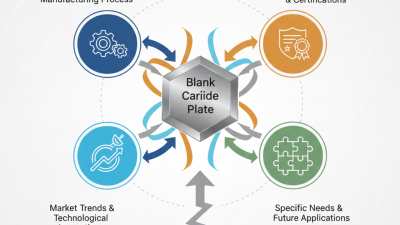
By choosing blank carbide plates, manufacturers can enjoy both extended product life and enhanced operational efficiency. This choice, however, comes with the need for thorough evaluation and testing. It’s crucial to consider the specific needs of each application. This attention to detail will define the performance and success of carbide materials in manufacturing.
Cost-Effectiveness of Using Blank Carbide Plates Over Time
Blank carbide plates offer remarkable cost-effectiveness in manufacturing. Studies reveal that these plates can last up to five times longer than traditional materials. This durability translates to savings on replacements and maintenance over time. When businesses invest in blank carbide plates, they are investing in longevity and reliability.
Additionally, the efficiency gains from using these plates can lead to decreased operational costs. A report from the Manufacturing Institute suggests that manufacturing efficiency can increase by 20% when utilizing high-quality materials. This enhancement not only bolsters productivity but reduces the total cost of ownership. It's crucial for manufacturers to recognize the benefits of investing in long-lasting, efficient materials.
Tip: Regular maintenance of carbide plates can further extend their lifespan. Inspecting for wear and tear can prevent unexpected costs.
Choosing the right materials impacts financial health. While the initial investment might be higher, the long-term savings on labor and replacement parts make blank carbide plates a smart choice. Always weigh upfront costs against potential savings.
Tip: Consult industry benchmarks to gauge the expected performance of your materials. It ensures informed decision-making, aligning with your operational goals.
Versatility of Blank Carbide Plates in Various Industrial Applications
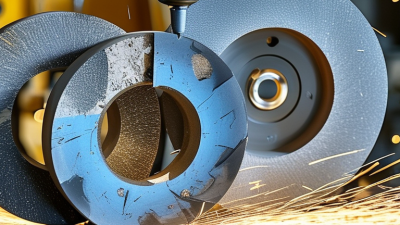
Blank carbide plates are increasingly recognized for their versatility in various industrial applications. The manufacturing sector benefits greatly from these plates' durability and performance. These plates can withstand extreme temperatures and resist wear, making them ideal for machining, tooling, and cold forming processes. According to a report by the Metalworking Industry Report in 2022, around 40% of tooling failures are attributed to material wear. Blank carbide plates help reduce this failure rate, enhancing productivity.
In the aerospace and automotive industries, blank carbide plates are essential for precision components. Their high hardness ensures they maintain shape and performance under intense operational conditions. This level of durability is crucial when dealing with complex geometries. A recent study revealed that industries using improved carbide materials reported a 30% increase in operational efficiency. However, not all manufacturers leverage these plates effectively. Some struggle with the initial costs and machining processes.
Beyond traditional manufacturing, blank carbide plates find applications in electronics and medical devices. Their reliability in creating intricate designs makes them valuable in these high-tech fields. While their benefits are evident, the challenge remains in proper implementation and maintenance. Companies must invest time in training and adapting their processes. The return on investment can be substantial, provided there is a willingness to adapt and optimize.
Impact of Blank Carbide Plates on Overall Product Quality and Performance
Blank carbide plates play a crucial role in enhancing product quality and performance in manufacturing. These plates are known for their exceptional hardness and durability. They withstand wear and tear better than many alternatives. This leads to a longer life span of tools and machinery. As a result, manufacturers can increase productivity while minimizing replacement costs.
Using blank carbide plates can also improve the precision of manufactured parts. Their stability allows for tighter tolerances, which translates into better-fitting components. This precision is essential in industries such as aerospace and automotive, where margins for error are minimal. Many manufacturers report that utilizing these plates reduces rework and scrap rates.
Tips: Ensure the proper selection of carbide grade for your specific application. Regular maintenance of equipment using blank carbide plates can also prolong their effectiveness. Keep the workspace clean to avoid contamination that might affect performance. Adopting these practices can enhance the overall benefits of blank carbide plates in your manufacturing processes.