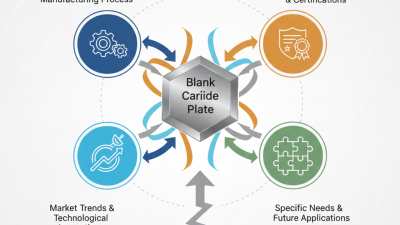
What is a Solid Carbide Disc Plate and Its Benefits?
In the world of manufacturing and machining, the Solid Carbide Disc Plate stands out for its durability and precision. This cutting tool is crafted from high-quality carbide, making it ideal for various applications. Its robust construction allows for efficient cutting and grinding, which is essential in industrial settings.
The benefits of using a Solid Carbide Disc Plate are manifold. It offers superior wear resistance, which translates to longer tool life. This not only boosts productivity but also reduces costs associated with frequent tool replacements. Additionally, the plate’s ability to maintain sharpness contributes to cleaner cuts, enhancing the overall quality of the finished product.
Despite these advantages, it’s crucial to choose the right specifications for your needs. Not every disc plate will suit every task. Some users may encounter challenges regarding compatibility with specific machines. Therefore, careful consideration and expert guidance are recommended to achieve optimal results.
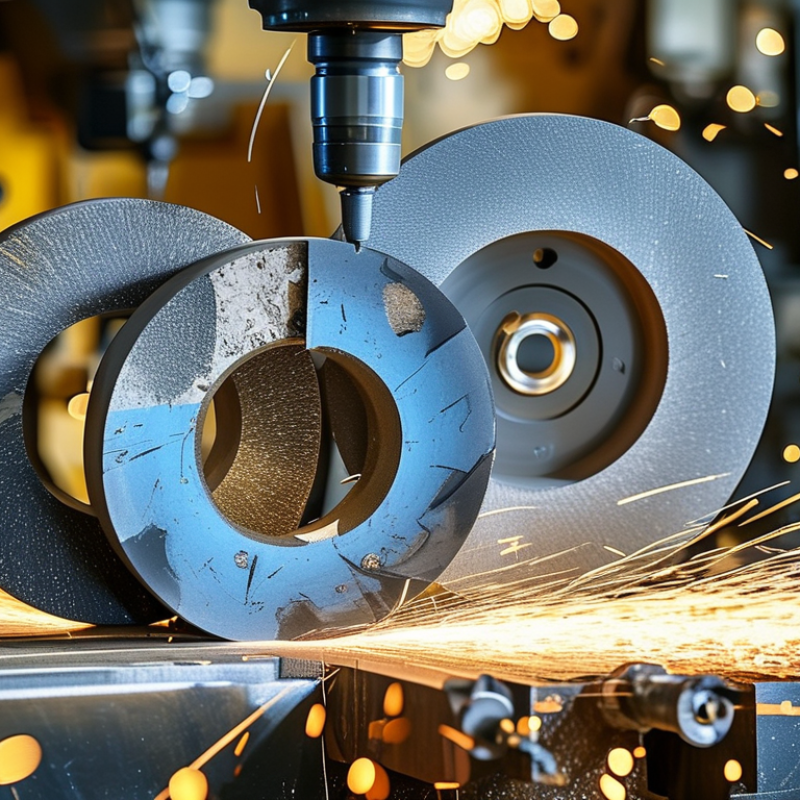
What is a Solid Carbide Disc Plate?
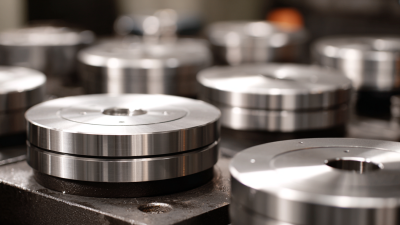
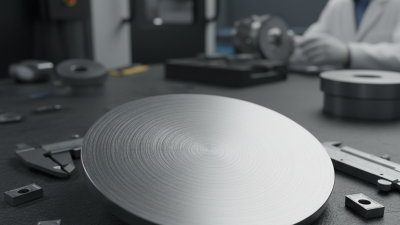
A solid carbide disc plate is a specialized tool used in various machining applications. Known for its durability, it is made from tungsten carbide, a material renowned for its hardness. This disc plate serves multiple purposes, such as cutting, grinding, and milling. Its precision is vital in industries that require high-quality finishes.
When utilizing a solid carbide disc plate, proper handling is essential. Avoid excessive heat buildup during operation. This can lead to wear and damage to the disc. Regular inspections are crucial to identify any signs of chipping or wear before they cause more significant issues.
Consider the machining environment where the disc will be used. Using the right feed rate and speed can enhance tool life. Keep in mind that while the solid carbide disc offers numerous benefits, it can also be brittle under certain conditions. Reflect on the materials you are working with, as unsuitable choices can lead to unexpected challenges. Always prioritize safety and adhere to recommended practices for optimal performance.
What is a Solid Carbide Disc Plate and Its Benefits?
| Feature |
Description |
Benefits |
| Material |
Solid carbide |
High hardness and wear resistance |
| Durability |
Long-lasting performance |
Reduces the need for frequent replacements |
| Precision |
High precision in manufacturing |
Improves product quality and reduces waste |
| Heat Resistance |
Can withstand high temperatures |
Suitable for challenging machining conditions |
| Applications |
Used in various machining processes |
Versatile for different materials and tasks |
The Composition and Manufacturing Process of Solid Carbide Disc Plates
Solid carbide disc plates are specialized tools widely used in various industrial applications. Their composition primarily consists of tungsten carbide particles bonded with cobalt. This combination results in a hard and durable material, ideal for cutting and machining. The manufacturing process involves sintering, where the raw materials are compressed and heated under high pressure. The result is a precise and dense disc plate that offers exceptional performance.
When selecting solid carbide disc plates, consider the size and thickness that best suits your application. A thorough inspection of the product is crucial. Look for any surface flaws or irregularities. These can affect performance and cause premature wear. Additionally, remember to check the tolerance specifications. This ensures compatibility with your machinery.
Tips: Always handle solid carbide disc plates with care. They are tough but can chip if dropped. Use appropriate storage methods to extend their lifespan. Regularly clean the surface to prevent dust accumulation, which can impact cutting efficiency. Maintain an awareness of the environment where these plates are used. Extreme conditions might require additional considerations for optimal performance.
Key Advantages of Using Solid Carbide Disc Plates
Solid carbide disc plates are essential tools in various manufacturing processes. These plates are made from solid tungsten carbide, known for its incredible hardness and durability. This material offers better wear resistance than many alternatives. According to industry reports, solid carbide tools can last up to five times longer than high-speed steel (HSS) tools. This longevity leads to decreased downtime for tool changes, optimizing production efficiency.
One key advantage of solid carbide disc plates is their precision. They can achieve tighter tolerances in cutting and shaping compared to other materials. This precision ensures that parts fit together seamlessly, which is crucial for industries like aerospace and automotive. Furthermore, the heat resistance of solid carbide helps maintain performance even under high-speed operations. Data suggests that carbide tools can withstand temperatures exceeding 1000°C, reducing tool degradation during intensive applications.
While solid carbide disc plates offer many benefits, they do have limitations. Their brittleness can make them prone to chipping under excessive force. Users must balance the selection of these tools with their application needs. Regular assessments of tool performance can lead to better decisions, enhancing overall productivity. Investing in solid carbide tools requires understanding their advantages and potential drawbacks for optimal outcomes.
Applications of Solid Carbide Disc Plates in Industry
Solid carbide disc plates have become essential tools in various industries. Their superior hardness and wear resistance make them invaluable in precision applications. These plates are particularly useful in machining and cutting operations. They can withstand high temperatures and pressures, which enhances productivity.
Manufacturers utilize solid carbide disc plates in numerous ways. In the automotive sector, they are used for cutting and shaping metal components. Their durability ensures consistent performance, even in high-volume production. The aerospace industry also benefits, as these plates aid in creating precise parts for aircraft. However, it is vital to consider the sustainability of using such materials, as not all carbide products are recyclable.
In woodworking, solid carbide disc plates create fine cuts and smooth finishes. They enhance efficiency and reduce downtime for tool changes. Despite these benefits, some users may experience challenges with tool wear. Monitoring usage and replacement timing is crucial for optimal performance. The balance of cost and effectiveness remains a topic of discussion among industry professionals.
Applications of Solid Carbide Disc Plates in Various Industries
Maintenance and Care for Solid Carbide Disc Plates
Maintaining solid carbide disc plates requires attention to detail and proper techniques. These plates are durable but can suffer from wear and tear if not handled well. Regular inspection for chips and cracks is essential. If you notice any damages, replacing the plate is a wise decision. Ignoring these signs may lead to larger issues, such as inferior cuts or uneven surfaces.
Cleaning is another vital aspect. Using a soft brush or cloth can remove debris and prevent accumulation. However, abrasive materials should be avoided, as they can scratch the surface. It’s important to dry the plate thoroughly after cleaning to prevent rust. Storing the plates appropriately is crucial as well. They should be placed in a protective case or coated with oil when not in use.
Careful usage extends the lifespan of solid carbide disc plates. Heavy impact can cause damage, so minimizing unnecessary force is important. Occasionally, check for balance during operation. An unbalanced plate could lead to vibrations and premature wear. Recognizing that mistakes can happen is part of the process. Adjusting habits based on wear observations can enhance performance significantly.