Best Carbide Rods for High Performance Applications?
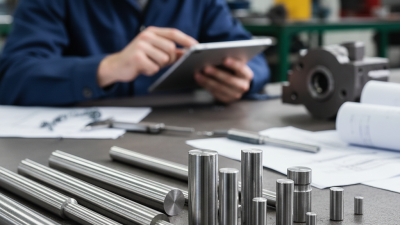
In the world of high-performance applications, choosing the right tools is crucial. Carbide Rods are at the forefront of cutting-edge technology. They provide unmatched wear resistance and durability, crucial for demanding tasks. Different industries rely on these rods for various applications, from machining to woodworking.
However, not all Carbide Rods are equal. Some may perform exceptionally well, while others may fall short. Factors such as composition, size, and treatment impact performance. Users often find it challenging to select the best option that meets their specific needs. This decision can significantly affect productivity and project outcomes.
Expert insights and experiences help guide these choices. Industry professionals understand the nuances of different formulations. The right Carbide Rod can enhance efficiency and precision in operations. Yet, there’s always room for improvement. Users must continually assess if their selections align with evolving technology and applications.
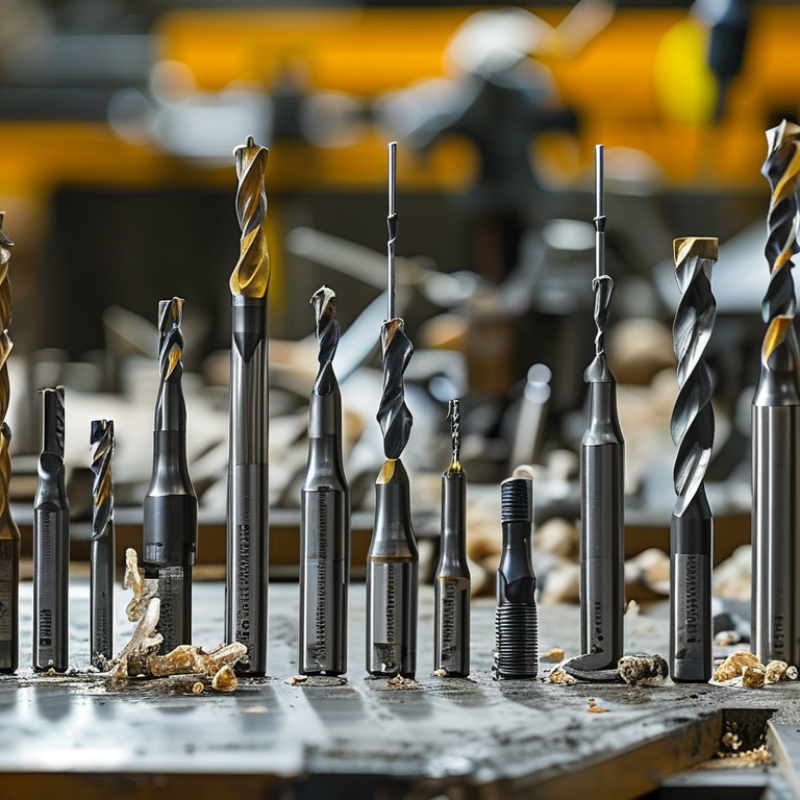
Best Carbide Rods: Definition and Composition in High Performance Applications
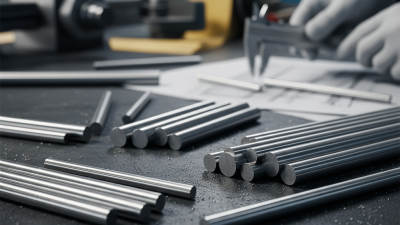
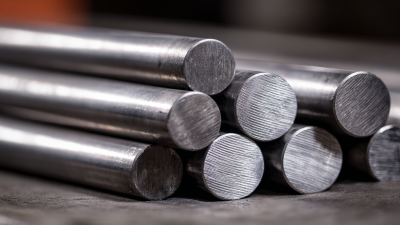
Carbide rods are essential in high-performance applications. Their superior hardness and wear resistance make them ideal for cutting tools. Typically, these rods are composed of tungsten carbide, known for its exceptional durability. According to industry reports, tungsten carbide can be up to four times harder than steel, making it a preferred material in machining and drilling tasks.
The composition of carbide rods varies. Most contain cobalt as a binder. This combination enhances toughness while retaining hardness. Reports suggest that a balanced ratio of tungsten carbide and cobalt can greatly improve performance. Some studies indicate that high cobalt content in carbide rods can lead to reduced brittleness, increasing the rods' life span.
Addressing challenges is vital. Despite their strengths, carbide rods are not infallible. They can fracture under extreme conditions. Machine operators often find that selecting the right grade is critical. Factors like cutting speed and material type significantly impact performance. It's essential to continuously evaluate these aspects to ensure optimal functionality. Such reflections aid in refining processes and enhancing overall efficiency.
Key Properties of Carbide Rods: Hardness, Wear Resistance, and Toughness
Carbide rods are crucial in high-performance applications. Their key properties include hardness, wear resistance, and toughness. Hardness determines how well the rods can withstand wear and deformation. This property is vital in cutting and drilling tools, where durability is essential.
Wear resistance is another critical aspect. Carbide rods can endure abrasive conditions. This ensures longevity in demanding environments. Toughness prevents brittle failure. It allows carbide rods to absorb energy without breaking. Striking the right balance of these properties can be challenging. While high hardness may enhance wear resistance, it can reduce toughness.
Finding the optimal combination is essential for performance. Compromises often occur, leading to overemphasizing one property at the expense of others. Each application demands a unique approach. Understanding material behavior is key. Users must experiment and adapt to improve results. The experience gathered in real-world scenarios provides invaluable insights into the effectiveness of these carbide rods.
Applications of Carbide Rods in Industries: Aerospace, Manufacturing, and Mining
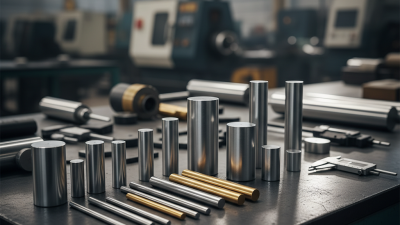
Carbide rods play a crucial role in various industries such as aerospace, manufacturing, and mining. Their exceptional hardness and wear resistance make them suitable for demanding applications. In aerospace, carbide rods are often used in cutting tools for machining aircraft components. They ensure durability, precision, and reduce wear on tools. The high-performance capability of these rods allows for complex shapes and tight tolerances, critical in aerospace engineering.
In the manufacturing sector, carbide rods serve multiple purposes. They are used in the production of drills, end mills, and other cutting tools. The ability to withstand high temperatures without losing hardness is vital in machining processes. However, not all applications see the same level of performance. For example, improper cooling or tooling methods can lead to premature wear. This highlights the importance of careful selection and maintenance of tools.
Mining operations also benefit from carbide rods. They are used in drilling and tunneling applications where tough materials are necessary. The rods help increase the efficiency of drilling operations. Even so, the harsh conditions of mining can impact their longevity. Operators often face challenges, such as wear and tear, that necessitate constant evaluation of their equipment.
Usage of Carbide Rods in Various Industries
Market Trends and Innovations in Carbide Rod Production and Material Science
The carbide rod market is undergoing significant transformations driven by advancements in material science. Industry reports indicate a projected growth rate of approximately 5.8% from 2023 to 2028. Innovations in production processes, such as high-pressure sintering and additive manufacturing, are enhancing the performance of carbide rods. These rods now exhibit improved wear resistance and toughness, making them ideal for high-performance applications in aerospace and machining industries.
Emerging trends include the rise of hybrid materials. These composites blend carbide with other compounds to enhance properties. For example, tungsten carbide with cobalt additives shows increased strength and durability. According to recent studies, the integration of advanced coatings can further extend the life of carbide rods under extreme conditions.
Tip: When selecting carbide rods, consider the specific operational environment. Assessing factors like temperature and load can improve performance longevity. Also, keep an eye on emerging technologies in material science to stay ahead in application efficiency.
Industry challenges remain, particularly regarding sustainability. The extraction and processing of raw materials generate environmental concerns. As the market evolves, the push for eco-friendlier production methods will likely increase, reflecting broader trends in industrial practices. Balancing performance with environmental responsibility is crucial for future innovations.
Performance Metrics: Comparing Carbide Rods to Other Materials in Different Uses
Carbide rods are widely regarded for their performance in demanding applications. In machining, these rods typically outlast steel by a factor of 10, according to industry data. The hardness of tungsten carbide, rated at 1600 to 2500 HV, makes it ideal for cutting tools. In high-speed steel applications, wear resistance is crucial, and carbide often delivers superior life expectancy.
When comparing carbide rods to other materials like high-speed steel and ceramic, the difference in toughness and durability stands out. For example, carbide rods can withstand heat better, maintaining their cutting edge during intense operations. A report from the Machining Industry Association indicates that parts made from carbide last 30% longer than those made from ceramics in similar environments. However, the brittleness of carbide can lead to chipping under inappropriate conditions, highlighting the need for careful handling.
Additionally, performance metrics vary based on application. In abrasive environments, carbide's resistance to wear can be a game-changer. Yet, selecting the right material involves trade-offs. The performance benefits must be weighed against potential brittleness in specific setups. Not every use case will favor carbide due to its cost and fragility compared to more ductile materials, reminding us that no single material is flawless.
Best Carbide Rods for High Performance Applications? - Performance Metrics: Comparing Carbide Rods to Other Materials in Different Uses
| Material |
Hardness (HV) |
Tensile Strength (MPa) |
Wear Resistance |
Cost ($/kg) |
| Carbide |
1600-2400 |
2000-4000 |
Excellent |
20-30 |
| High-Speed Steel |
700-900 |
1000-2000 |
Good |
15-25 |
| Titanium |
300-400 |
900-1200 |
Moderate |
25-45 |
| Ceramics |
800-1800 |
500-1500 |
Very Good |
50-100 |