Discover the Best Solid Carbide Disc Plates for Global Buyers
In today's highly competitive manufacturing landscape, the demand for reliable tools is ever-increasing. One such essential tool is the Solid Carbide Disc Plate. These plates are known for their durability and versatility. For global buyers, selecting the right disc plate can be daunting.
Solid Carbide Disc Plates are designed to provide exceptional performance. They can be utilized in various applications, from machining to woodworking. Quality matters. Not all disc plates are created equal. Buyers should prioritize sources with a proven track record.
The intricate details of the manufacturing process can significantly impact their effectiveness. Not all suppliers offer consistency in quality. Therefore, researching trusted suppliers is crucial. While many options exist, not every choice ensures reliability. Global buyers must refine their approach to find the best Solid Carbide Disc Plates available in the market.
Understanding Solid Carbide Disc Plates and Their Applications
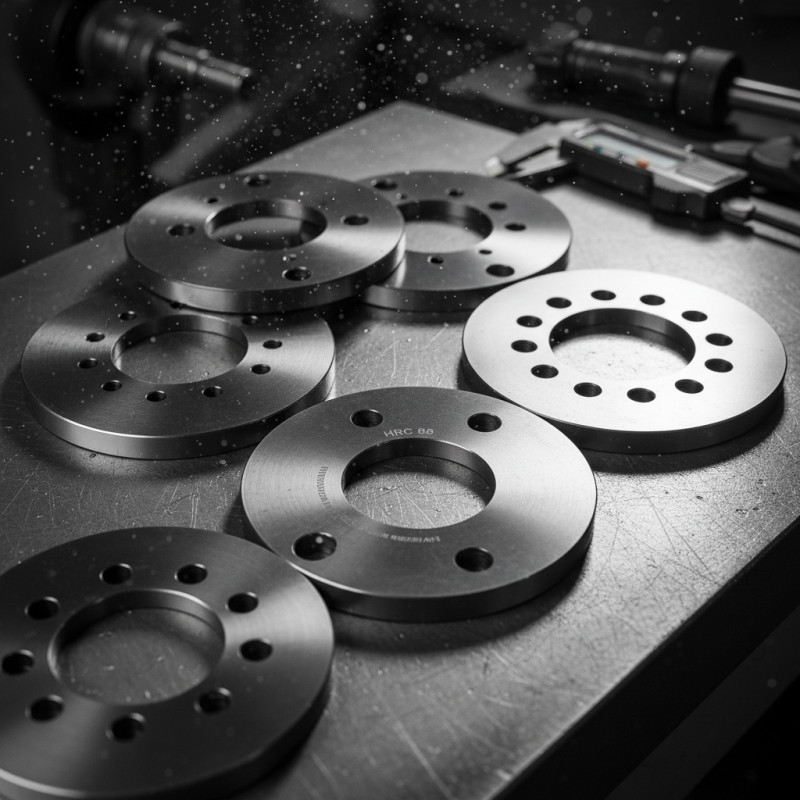
Solid carbide disc plates are essential in various industries, renowned for their durability and precision. These plates are made from tungsten carbide, a material known for its hardness. They excel in high-performance cutting and grinding applications. Their design allows for excellent wear resistance, making them ideal for tasks that involve high friction.
One major application is in machining. Solid carbide disc plates are used to create intricate parts. Their sharp edges maintain accuracy over extended use. However, improper handling can lead to chipping or breaking, which affects performance. Ensuring the correct usage reduces wear and prolongs the lifespan of these tools.
Tips: Ensure your workpieces are securely clamped. This helps maintain stability and prevents accidents. Regularly inspect your tools for signs of wear. Replace them if you notice significant damage. Proper maintenance leads to better performance.
Versatile and reliable, these plates are also used in woodworking and metalworking. They can efficiently cut through tough materials. However, it’s crucial to understand the specific requirements of your project. Not all disc plates are suitable for every material; using the wrong type can hinder results. Always choose based on your needs for optimal effectiveness.
Key Features to Consider When Choosing Solid Carbide Disc Plates
When selecting solid carbide disc plates, several key features must be considered. These features impact performance, durability, and cost-effectiveness. The hardness and wear resistance of carbide materials are crucial. Research indicates that solid carbide products can offer a hardness rating between 80-90 HRC, making them ideal for high-precision tasks. Furthermore, their excellent resistance to thermal shock and chemical corrosion enhances lifespan.
The thickness of the disc plate matters significantly. Thicker plates generally provide better stability and durability, while thinner plates may be suitable for more delicate tasks. Many buyers overlook the importance of this balance, leading to suboptimal performance. Industry studies show that selecting a plate too thin can reduce operational efficiency by nearly 30%.
Tips: Always verify the specifications before purchase. Look for documentation or reports that confirm performance metrics. It's also wise to consult with industry experts to ensure you're making a well-informed decision. Even subtle differences can affect the overall outcome. Quality assurance checks are essential; they should be one of your top priorities.
Top Brands and Manufacturers of Solid Carbide Disc Plates
When it comes to solid carbide disc plates, the market offers a rich array of choices. These plates are known for their durability and edge retention. Many manufacturers focus on precision engineering, ensuring that the plates maintain their form even under extreme conditions. This aspect is crucial for industries that rely on high-performance cutting tools.
Several reputable brands stand out in this competitive field. They offer a range of products tailored to various applications. Their expertise lies in understanding material properties and production techniques. This helps them deliver plates that meet strict quality standards. Importantly, buyers should research the manufacturers’ certifications and track records. These indicators can reveal a brand's commitment to excellence.
Potential buyers may encounter variations in price and quality. It's essential to consider the specific requirements of your project. Some plates may perform well in general applications but struggle in specialized tasks. Seeking feedback from industry experts can provide valuable insights. Balancing cost and quality is an ongoing challenge. Making informed decisions will lead to long-term benefits.
Solid Carbide Disc Plates Market Analysis
This chart illustrates the distribution of solid carbide disc plates by diameter size sold in the global market in 2023. It provides insights into customer preferences regarding size variations.
Comparative Analysis of Popular Solid Carbide Disc Plates Available Globally
When exploring solid carbide disc plates, global buyers face numerous options.
The quality and performance of these plates can significantly impact machining processes. Each type has unique features tailored for different applications. Understanding these differences is crucial in making informed decisions.
In a recent comparative analysis of popular options, several key factors stood out. For instance, thickness and coating can influence durability and cutting efficiency. Some plates are designed for heavy-duty use, while others excel in precision work. Buyers should carefully evaluate these aspects based on their specific needs.
Tips:
- Always check the manufacturer's specifications for wear resistance and heat management.
- Don’t overlook customer reviews; they can reveal practical experiences.
- Finally, consider trialing a few options to find the best fit for your project needs.
Such evaluations can help identify potential pitfalls and enhance efficiency in the long run.
Guidelines for Maintenance and Care of Solid Carbide Disc Plates
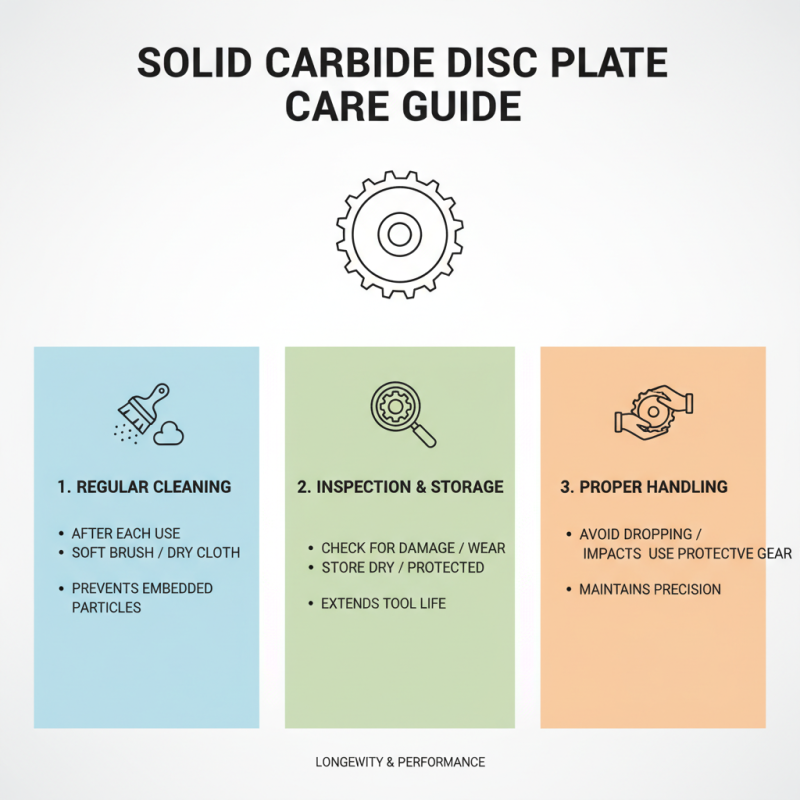
Caring for solid carbide disc plates is essential for their longevity and performance. These tools are robust, but they require proper maintenance. Regular cleaning is crucial. After each use, remove dust and debris with a soft brush or dry cloth. This prevents particles from embedding into the surface, which could affect cutting efficiency.
Inspecting the plates periodically is necessary. Look for signs of wear, such as chips or cracks. Minor chips can often be repaired, but significant damage may call for replacement. Keeping the edges sharp is vital. Dull edges not only reduce performance but can also lead to safety hazards. Use a dedicated sharpening tool to maintain an optimal cutting edge.
Storage conditions play a significant role in their lifespan. Store the plates in a dry, cool place. Avoid moisture and extreme temperatures, which can lead to warping. Using protective cases or foam inserts can help prevent scratches. While these practices may seem simple, neglecting them can result in costly replacements or ineffective tools. It's worth reflecting on your current maintenance routine to ensure you're doing enough.