How to Choose the Right Milling Cutter for Your Needs?
When it comes to machining, selecting the right milling cutter is crucial. Renowned industry expert John Smith, a leading engineer at Precision Tools Ltd., once said, “The right milling cutter can make or break your project.” With countless options available, understanding how to choose the perfect one can be overwhelming.
Milling cutters differ in materials, shapes, and sizes. Each type serves a specific purpose in various machining contexts. A wrong choice can lead to inefficient cutting and increased costs. This highlights the importance of informed decision-making in this sector.
As you navigate the variety of milling cutters, consider your project requirements. Analyze the material you'll be working with and the desired finish. Seek advice from experts and review user experiences to avoid common pitfalls. This reflection will enhance your understanding and help ensure successful outcomes in your machining tasks.
Understanding the Different Types of Milling Cutters Available
When choosing a milling cutter, understanding the types available is crucial.
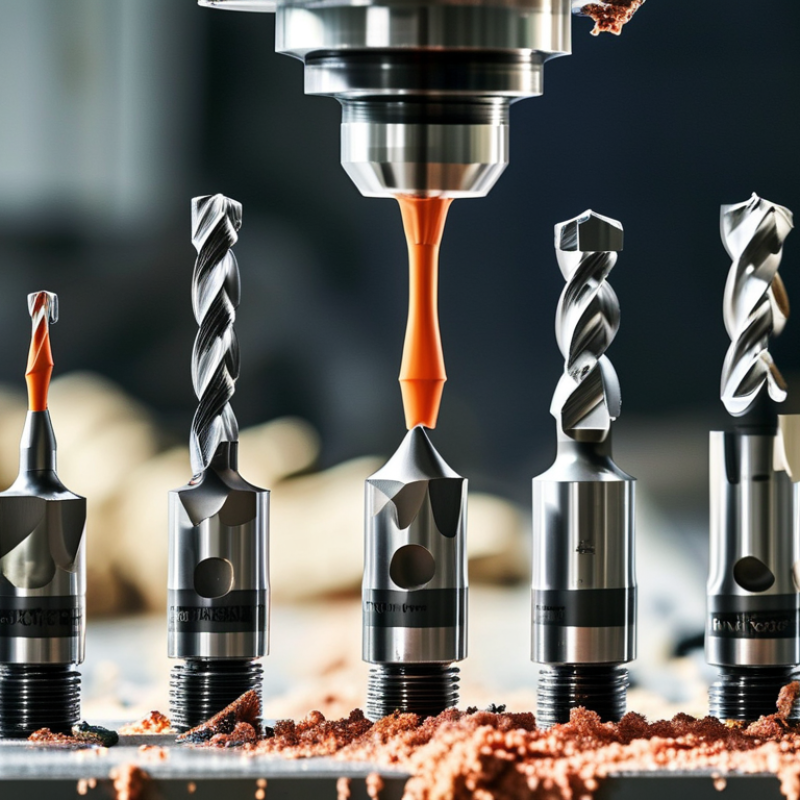
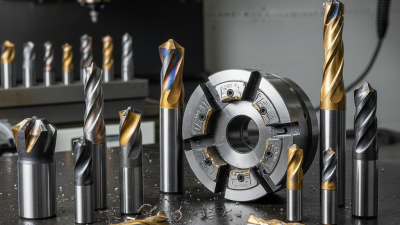
Milling cutters come in various shapes and sizes, each designed for specific tasks. End mills, for example, are versatile tools great for face milling and contouring. Their ability to plunge into the material makes them useful for intricate designs.
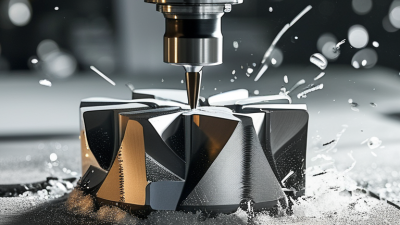
Face mills are larger and more suitable for flat surfaces. They work well for removing material quickly. It's worth noting that the choice of cutter also depends on the material you're machining. Harder materials often require specialized cutters. Coated tools can enhance performance but may not be necessary for every application.
Tips: Always consider the cutter's geometry. It can impact efficiency and finish quality. Experimenting with different cutters can lead to better results. Don’t hesitate to seek advice from experienced machinists. They can share valuable insights based on their own experiences. Understanding your needs and equipment can lead to more efficient manufacturing processes.
Factors to Consider When Selecting a Milling Cutter
Choosing the right milling cutter can significantly impact your machining projects. Various factors must be considered to ensure it meets your specific needs. Material compatibility is crucial. Different cutters are designed for specific materials. For instance, soft metals may require different cutters than hard alloys. Selecting the wrong one can lead to poor finishes and tool wear.
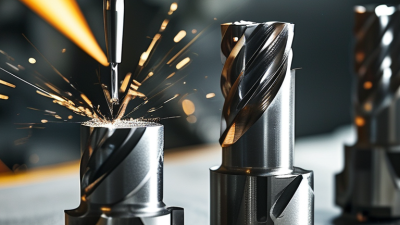
The cutter geometry is another vital aspect. Flute design and insert shape affect chip removal and cutting efficiency. High helix angles can enhance chip evacuation. However, they may not be ideal for all applications. The desired surface finish should also guide your choice. A cutter intended for a smooth finish might not perform well in heavy removal tasks.
Don't overlook the importance of cutter size. A cutter that is too large can limit accessibility. Conversely, a very small cutter might not be effective for heavy stock removal. Consider the dimensions of your workpiece and the milling machine's capabilities. This balance can prevent mistakes and wasted resources. Reflecting on your past experiences with different tools can provide valuable insights for future choices.
Assessing Material Compatibility for Milling Cutters
When selecting the right milling cutter, material compatibility is crucial. The effectiveness of a milling cutter directly relates to the material it processes. For example, a study by the Manufacturing Institute shows that about 40% of machining errors arise from using incompatible tools. This statistic highlights how essential it is to match the cutter material to the workpiece.
Different materials require specific cutting tools. Steel, for instance, often benefits from high-speed steel (HSS) or carbide cutters. HSS provides durability and is ideal for lower production volumes. In contrast, carbide cutters excel in high-speed applications and tough materials, with wear resistance that extends tool life by 50% or more. However, not every cutter suits every application; using an unsuitable cutter can lead to increased tool wear and compromised component quality.
Consideration of factors like hardness and thermal properties is vital. Aluminum demands different tooling than titanium. A report from the American Society of Mechanical Engineers emphasizes that incorrect cutter choices can increase production costs by up to 30%. Engineers should weigh these aspects carefully during the selection process to avoid costly mistakes and ensure high precision in machining operations.
Material Compatibility for Milling Cutters
Evaluating Cutter Geometry and Design Features
Choosing the right milling cutter is crucial for any machining task. The geometry and design features of a cutter greatly influence its performance. Factors such as rake angle, flute shape, and the number of cutting edges can dramatically affect efficiency. A cutter with a positive rake angle often provides a smoother cut and less tool wear. Conversely, a negative rake angle might be suitable for tougher materials.
Another key aspect is the material of the cutter. High-speed steel (HSS) and carbide cutters serve different purposes. HSS is known for its toughness, while carbide offers superior hardness and wear resistance. Choosing between them depends on the specific job requirements. Additionally, the flute design impacts chip removal efficiency. A cutter with wider flutes allows for better chip evacuation but may compromise on finish quality.
When evaluating cutter features, remember that trial and error can be part of the process. It’s common to face challenges in selecting the right tool. Discussing experiences with colleagues or looking for reputable sources can provide valuable insights. Ultimately, understanding your machining needs—along with the cutter's design—will guide you to a more effective choice.
Cost vs. Performance: Making an Informed Choice
Choosing the right milling cutter is crucial for efficiency and quality. Balancing cost and performance is often challenging. High-quality cutters may come at a premium, but they can significantly enhance the precision of your work.
Consider the material of the cutter. Steel tools are versatile, while carbide options offer durability. Assess the hardness of the materials you'll mill. This will help you choose the right cutter to avoid premature wear. Sometimes, a less expensive tool performs adequately for specific tasks. It is essential to evaluate your needs carefully.
**Tips:**
Always compare multiple options before purchasing. Look for online reviews and seek advice from experts in the field. This can save you money in the long run. Test out various cutters under different conditions. Understanding how they perform can yield insightful findings about cost versus effectiveness. Reflect on past experiences with tools. Learning from mistakes will help in future selections.