Choosing the best Circular Blades in 2026 requires more than comparing prices or tooth counts. Cutting results depend on material, machine speed, feed pressure, and required finish. A blade that performs smoothly on laminated panels may struggle with dense hardwood or abrasive composites. The details matter.
This guide examines the leading circular blade types expected to shape professional cutting work in 2026. It considers carbide-tipped blades, diamond blades, high-speed steel designs, continuous-rim blades, and segmented options. Each type offers a different balance of durability, precision, heat control, and cost. Carbide-tipped blades remain practical for woodworking and general manufacturing. Diamond blades suit masonry, ceramics, and other abrasive materials. High-speed steel can serve specialized applications, although it may require closer attention to heat and wear.
Real workshop experience shows that no single blade is universally superior. Not every blade wins. Performance also depends on correct installation, compatible equipment, and safe operating practices. Manufacturer specifications should guide arbor size, maximum speed, tooth geometry, and material compatibility. Independent testing and verified product data are more dependable than vague advertising claims.
Some recommendations may change as coatings, tooth profiles, and automated cutting systems improve. That uncertainty deserves attention. A 2026 “top” choice should therefore mean the most suitable option for a defined task, not merely the newest product. By comparing construction, cutting behavior, service life, and maintenance demands, readers can make more reliable decisions and avoid costly trial and error.
A circular blade is a round cutting tool with teeth or an abrasive edge around its rim. It rotates on an arbor and removes material through controlled contact. In 2026, its definition includes more than shape. Engineers also consider cutting accuracy, heat control, vibration, and material compatibility.
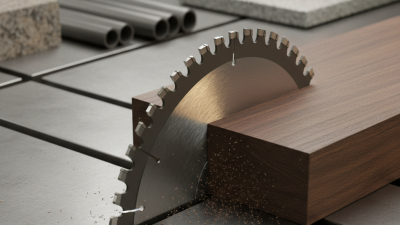
Common types include carbide-tipped blades for timber, fine-tooth blades for clean panel cuts, and diamond-edged blades for masonry or composites. Abrasive blades remain useful for certain metals and demanding site work. Thin-kerf designs reduce material waste, but they may flex under heavy pressure. That trade-off deserves attention.
Reliable selection starts with the material, machine speed, arbor size, and required finish. A workshop test cut can reveal problems before production begins. Check tooth damage, burning marks, rough edges, and unusual vibration. Safety guards and correct operating instructions still matter, even with modern blade designs. Technology improves tools, but it does not remove human error.
Tips: Match the blade to the material, not only the machine. Keep the blade clean and inspect it before use. If cutting feels forced, stop and reassess. A quieter blade is not always a better blade. Some claims sound convincing, yet real performance depends on setup, feed pressure, and maintenance.
Which circular blade types lead in 2026? Carbide-tipped blades remain the strongest all-purpose choice for wood, panels, and construction timber. They balance cutting speed, service life, and manageable cost. Fine-tooth versions produce cleaner edges, while fewer, larger teeth remove material faster. Tooth geometry matters more than tooth count alone.
Thin-kerf carbide blades are gaining ground in battery-powered saws. Their narrower cut reduces resistance and can extend runtime. However, they may deflect when pushed through thick or damp timber. Diamond-edged blades lead in masonry, fiber cement, and other abrasive materials. Continuous rims usually create smoother cuts. Segmented rims often remove dust and heat more effectively. Cold-cut metal blades also remain important for steel tubing and sheet metal, especially where heat control matters.
Performance still depends on matching the blade to the material. A premium wood blade can fail quickly in plasterboard with embedded grit. Even a durable diamond blade may chip fragile tile without steady feed pressure. That detail is easy to overlook. In 2026, professional users increasingly compare vibration, dust control, kerf width, and cutting accuracy, not just lifespan. Some published durability claims are difficult to reproduce. Real results change with machine alignment, operator pressure, and maintenance. Testing a blade on the actual material remains the most reliable check.
What Are the 2026 Top Types of Circular Blades?
Circular blade performance begins with material choice. Carbide-tipped blades suit wood, laminates, and many composite panels. Their hard teeth stay sharp longer, but brittle carbide can chip after impacts. High-speed steel blades offer toughness and smoother cutting in thinner metals. They dull faster under heavy production loads.
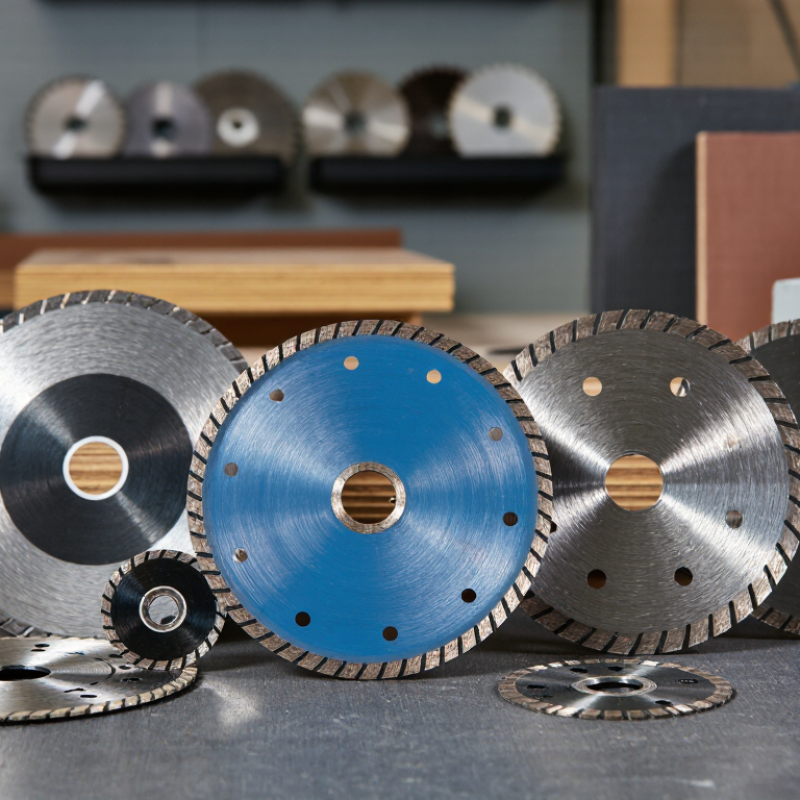
Diamond blades handle masonry, concrete, tile, and other mineral-based materials. Their cutting edge is extremely wear-resistant, yet the bond must match the material. A soft bond can expose fresh diamond quickly in hard surfaces. A hard bond may last longer in abrasive materials. Abrasive blades remain economical for occasional metal cutting, although they create heat, sparks, and more material loss. Material is not a minor detail. It controls speed, finish, heat, noise, and service life.
Tips: Match the blade material to the workpiece, not only the machine. Check tooth geometry, blade thickness, and rated speed before cutting. Watch the cut surface. Blue discoloration may indicate excessive heat. I have found that a slightly slower feed often produces a cleaner edge and reduces premature wear. Still, this is not universal. Dense composites can behave unpredictably, so a small test cut is sensible. Keep blades clean, inspect them for cracks or missing teeth, and replace damaged components immediately. Proper results depend on the blade, the machine, and the operator’s technique.
How do blade materials shape cutting performance?
Cemented carbide-tipped blades provide a strong balance of durability, cutting speed, and cost for wood and general fabrication. Diamond blades deliver the highest wear resistance for abrasive materials such as concrete, stone, and ceramics. Abrasive blades are economical for cutting steel and masonry but typically have shorter service life, while HSS and cermet blades offer strong heat resistance for metalworking applications. Scores are normalized engineering indices based on established material characteristics rather than company or brand data.
In 2026, circular blades are chosen by material, cut quality, and machine speed. Carbide-tipped blades suit wood shops, renovation sites, and furniture production. They produce clean cuts in plywood, hardwood, and laminate when tooth geometry matches the material. A fine-tooth blade leaves smoother edges. A coarse-tooth blade removes timber faster. Check the blade’s maximum RPM before installation.
Diamond blades work best on concrete, brick, stone, and ceramic tile. Continuous rims help create cleaner tile edges, while segmented rims remove dust and heat more effectively from masonry. Wet cutting can reduce airborne dust and extend blade life.
However, water is unsuitable for every tool or work area. Abrasive blades are practical for cutting steel pipes, angle iron, and reinforcing bars. They cost less initially, but they wear quickly and create heat, sparks, and rougher edges.
High-speed steel blades are useful for thin metal sheets, aluminum profiles, and controlled workshop cutting. They can provide a cooler, more accurate cut when the machine uses proper feed pressure. A blade that works well on aluminum may clog when cutting soft plastics. That detail is easy to overlook. Match the tooth count, blade diameter, kerf width, arbor size, and rotation speed. No selection chart is perfect. Material thickness, vibration, and operator technique can change the result. A short test cut often reveals more than a confident guess.
What Are the 2026 Top Types of Circular Blades?
Choosing the right circular blade starts with the material, not the machine. For clean wood cuts, carbide-tipped blades remain practical. Alternate-top-bevel teeth suit crosscuts, while flat-top teeth remove material quickly during ripping. Triple-chip-grind teeth handle laminates and dense panels more smoothly. For masonry, a diamond blade is usually appropriate. Abrasive blades cost less initially, but they cut slower and generate more heat.
Blade selection should also match thickness, finish, and cutting speed. A higher tooth count usually leaves a cleaner edge. A lower tooth count clears thick stock faster. Thin-kerf blades waste less material and may reduce motor load. However, they can flex during aggressive cutting. Check the arbor diameter, maximum RPM, kerf width, and manufacturer’s material rating before installation. Never assume a larger blade is automatically better.
The U.S. Bureau of Labor Statistics projects 7% employment growth for construction laborers from 2023 to 2033. That trend increases demand for efficient, repeatable cutting tools. Grand View Research’s 2024 power-tools assessment also identifies cordless equipment and compact cutting systems as continuing growth areas through 2030. These trends favor lighter, low-kerf blades, but jobsite conditions still matter more than forecasts. Dust, nails, wet timber, and overheated motors can change the choice. The neat rule is not universal. I still measure twice, test on scrap, and accept that the cleanest cut may not be the fastest.
| Blade Type | Typical Cutting Materials | Common Tooth or Edge Design | Typical Diameter Range | Main Strength | Important Limitation | Best Selection Scenario |
|---|---|---|---|---|---|---|
| Carbide-Tipped Wood Blade | Solid wood, plywood, MDF, OSB, and laminate panels | Brazed carbide teeth; tooth count selected according to speed and finish | Approximately 100–400 mm | Versatile cutting performance and longer service life than plain steel blades | Can be damaged by hidden nails, screws, or severe contamination | General woodworking, framing, cabinetry, and panel cutting |
| Fine-Finish Wood Blade | Hardwood, softwood, veneered boards, and finished panels | Higher tooth count with alternating-bevel or similar finishing geometry | Approximately 160–350 mm | Cleaner crosscuts and reduced edge splintering | Cuts more slowly and may heat up when used for deep ripping | Visible edges, trim work, furniture parts, and precision crosscutting |
| Ripping Wood Blade | Long-grain cuts in solid wood and thick timber | Fewer teeth with larger gullets for efficient chip removal | Approximately 160–400 mm | Fast feed rates and effective removal of large wood chips | Usually produces a rougher surface than a fine-finish blade | High-volume straight cuts where speed matters more than surface finish |
| Laminate and Melamine Blade | Melamine-faced panels, laminates, veneered boards, and coated composites | High tooth count with geometry intended to limit chipping on brittle surfaces | Approximately 160–350 mm | Improves cut quality on decorative faces and layered boards | Requires accurate setup, a stable workpiece, and suitable feed speed | Cabinet components, shelving, countertops, and interior panels |
| Non-Ferrous Metal Blade | Aluminum, brass, copper, and some plastic profiles | Carbide teeth with a large rake angle and chip-clearance gullets | Approximately 160–400 mm | Produces controlled cuts in soft metals when used at the correct speed | Not intended for ferrous steel; improper speed can cause overheating or tooth damage | Cutting aluminum profiles, non-ferrous sheets, and extrusions |
| Abrasive Masonry Blade | Concrete, brick, block, stone, and masonry products | Continuous abrasive rim or segmented abrasive rim | Approximately 105–230 mm | Suitable for mineral materials and does not rely on conventional cutting teeth | Creates dust, wears through abrasion, and may cut more slowly than diamond blades | Occasional masonry work with a compatible dry-cut tool and dust control |
| Diamond Masonry Blade | Concrete, reinforced concrete, brick, tile, stone, and asphalt | Diamond segments or a continuous diamond rim bonded to a steel core | Approximately 105–450 mm | High durability and effective cutting of hard mineral materials | Must match wet or dry use; incorrect application can reduce segment life | Frequent construction, renovation, tile, and concrete cutting |
| Thin-Kerf Blade | Wood, plywood, panels, and selected plastics | Reduced plate and kerf width, commonly combined with carbide teeth | Approximately 140–305 mm | Removes less material and requires less power from compatible tools | More sensitive to misalignment, side pressure, and heavy-duty feed rates | Compact saws, battery-powered tools, and projects where material savings matter |
| Continuous-Rim Tile Blade | Ceramic tile, porcelain tile, glass tile, and some natural stone | Continuous diamond rim for a smoother, more controlled edge | Approximately 105–350 mm | Clean finish and reduced edge breakout on brittle tile materials | Usually slower than segmented designs and commonly requires water cooling | Tile saws, bathroom renovation, flooring, and detailed ceramic work |

Choose a blade specifically designed for wood, non-ferrous metal, masonry, tile, or another target material. A visually similar blade may still have the wrong tooth geometry or abrasive specification.
Lower tooth counts generally support faster ripping, while higher tooth counts usually provide smoother crosscuts and cleaner finished edges.
Check the permitted blade diameter, arbor or bore size, maximum revolutions per minute, cutting depth, guard clearance, and the tool manufacturer’s operating instructions.
Use the correct guard, eye and hearing protection, stable workpiece support, and dust or water control where applicable. Never exceed the blade’s marked speed rating.