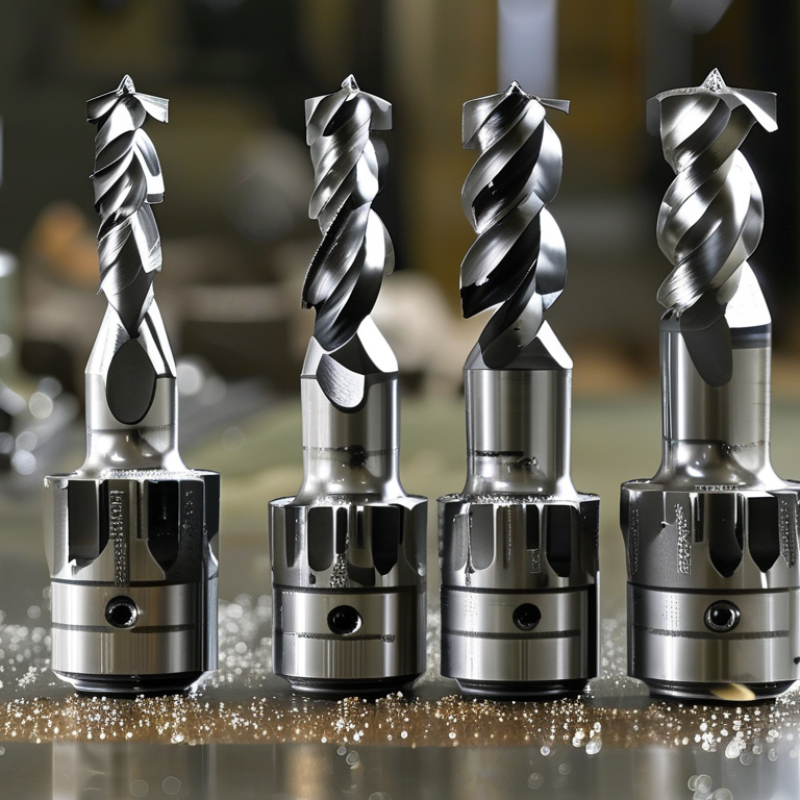
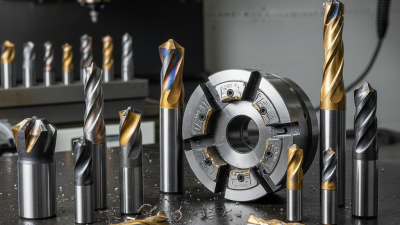
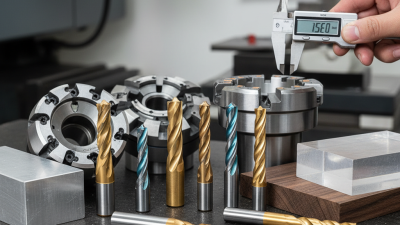
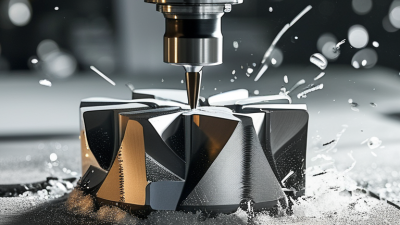
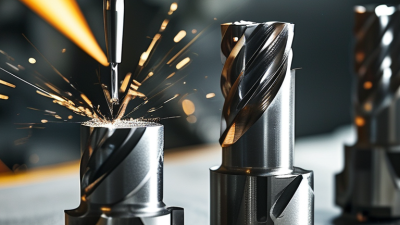
Choosing the right Milling Cutter can influence surface finish, tool life, cycle time, and production stability. For global buyers, the decision involves more than comparing prices. Material hardness, machine power, spindle speed, coolant delivery, and workholding conditions all matter.
This guide introduces common cutter types, including end mills, face mills, ball nose cutters, slot drills, and indexable milling tools. Each design serves a different cutting purpose. A carbide end mill may handle hardened steel efficiently, while a high-speed steel cutter can remain practical for lower-speed operations. Ball nose cutters are useful for curved surfaces, but their center cutting area can perform poorly at low speeds.
Small details matter.
Buyers should check flute geometry, helix angle, coating, shank tolerance, runout, and compatible standards before ordering. A supplier’s technical datasheets, inspection records, sample results, and application support can reveal more than a polished catalog. In real workshops, even a premium cutter may fail when chip evacuation is restricted or tool overhang is excessive. That point is easy to overlook.
The following overview compares leading Milling Cutter types for different materials, machines, and production goals. It also considers procurement risks, including inconsistent dimensions, unclear coating specifications, and limited after-sales guidance. No selection method is perfect. Trial cutting remains valuable, especially when material certificates or machine conditions vary between factories. Reliable decisions combine engineering knowledge, verified supplier information, and measured results from actual machining tests.
A milling cutter removes material with rotating teeth, not a single continuous edge. Each tooth creates a chip as it enters the workpiece. End mills suit slots, pockets, and profiles, while face mills create broad, flat surfaces. Ball nose cutters handle curved surfaces and three-dimensional details. Slab cutters can remove material quickly from larger areas. Selection should match the workpiece, machine power, and required surface finish.
Cutting performance depends on speed, feed rate, axial depth, and radial engagement. Excessive speed may burn the edge or harden the surface. Low feed can cause rubbing instead of proper chip formation. Climb milling often improves finish, but the machine must control backlash safely. Coolant, air, or dry cutting also changes chip evacuation. I have found that small setup differences can change tool life dramatically. Calculations help, but real chips tell the fuller story.
Tips: Check the cutter diameter before setting the toolpath. Start with conservative cutting data. Watch chip color and shape. Secure the workpiece firmly. Use the shortest practical tool overhang. Inspect edge wear after each trial. A shiny, polished surface is not always a good sign; it may indicate rubbing. Recheck the setup. Mistakes often begin with assumptions.
Top Milling Cutter Types for Global Buyers?
End mills are widely used for slots, pockets, shoulders, and profiles. Their cylindrical shanks fit common milling holders and provide stable torque transfer. Two-flute cutters leave more space for chips, making them useful in softer materials. Four-flute designs offer stronger teeth and better finish control in steel. Chip space matters. Helical cutting edges reduce impact as each tooth enters the workpiece. A larger helix can improve evacuation, but it may also increase axial cutting force.
Face mills use several replaceable inserts around a broad cutter body. They remove material across flat surfaces and distribute cutting pressure between multiple edges. Shell mills have a central mounting bore and often support larger cutting diameters. Side-and-face cutters include teeth on their sides and circumference, allowing deep slots and narrow grooves. Their tooth arrangement looks simple, yet poor alignment can create vibration and uneven wear.
Ball nose cutters have a rounded tip for three-dimensional contours, especially in molds and curved components. Corner-radius end mills strengthen the cutting edge without losing too much profile accuracy. Insert cutters can reduce tool-change time, although insert seating must be clean and secure. In practical machining, I check runout, flute condition, workholding, and coolant direction before judging cutter performance. No cutter is perfect. Material, machine rigidity, depth of cut, and feed settings still change the result. A cutter selected from a catalog may fail when the setup is flexible or the chip load is misunderstood.
Top Milling Cutter Types for Global Buyers?
Cutter materials strongly influence tool life, cutting speed, and edge stability. High-speed steel cutters remain useful for interrupted cuts and low-volume work. They tolerate vibration better, but they usually require slower speeds. Cemented carbide offers greater stiffness and heat resistance. It performs well on hardened steel, stainless steel, and cast iron when the machine is rigid. For aluminum and other abrasive nonferrous alloys, polycrystalline diamond can deliver a cleaner finish and longer wear life. CBN suits hardened ferrous materials, but its higher cost demands careful process control.
Coatings change how a cutter handles heat, friction, and built-up edge. Titanium nitride provides general wear resistance, while aluminum-rich titanium coatings protect carbide tools during dry or high-temperature cutting. Diamond-like coatings can reduce adhesion when machining aluminum, especially around deep flute channels. Still, a coating is not a cure-all. A poorly selected edge geometry may chatter even with an advanced coating. Small details matter. Check flute count, helix angle, corner radius, and coolant compatibility before comparing prices.
In practical trials, a sharp, uncoated cutter can outperform a coated tool on soft aluminum. That result can seem surprising. However, the coating may blunt the edge slightly and increase cutting pressure. Conversely, a tougher coated carbide cutter often survives interrupted steel cuts better. Buyers should request data for material grade, spindle speed, feed rate, and expected tool life. Cutting tests are more reliable than catalog claims. Machine rigidity, workholding, and operator settings can still change the result. That is the part many comparisons overlook.
| Cutter Type | Primary Cutter Material | Common Coatings or Surface Treatments | Typical Workpiece Materials | Performance Advantages | Main Limitations | Relative Wear Resistance | Best-Fit Applications |
|---|---|---|---|---|---|---|---|
| High-Speed Steel (HSS) End Mill | High-speed tool steel; generally tougher and less brittle than cemented carbide | Uncoated, black oxide, TiN, TiCN, or AlTiN-type coatings | Carbon steel, low-alloy steel, aluminum, brass, cast iron, and plastics | Good toughness, lower purchase cost, and better tolerance of vibration or interrupted cuts than many carbide tools | Lower cutting speeds, shorter tool life, and greater heat sensitivity compared with carbide | Medium | General-purpose milling, low-speed machines, maintenance work, and unstable setups |
| Cobalt HSS End Mill | Cobalt-alloyed high-speed steel, commonly containing approximately 5–8% cobalt | TiN, TiCN, AlTiN-type coatings, or other wear-resistant treatments | Stainless steel, heat-resistant alloys, carbon steel, and cast iron | Higher hot hardness and wear resistance than standard HSS while retaining useful toughness | Still slower than carbide; cobalt content can increase brittleness and cost | Medium to High | Stainless-steel milling, moderate production, and machines with limited rigidity |
| Solid Carbide End Mill | Cemented carbide, typically tungsten carbide grains bonded with cobalt or another metallic binder | AlTiN, AlCrN, TiAlN, TiB2, DLC, or uncoated polished surfaces depending on the workpiece | Steel, stainless steel, cast iron, hardened materials, aluminum, copper alloys, and composites | High stiffness, high cutting speed, excellent dimensional accuracy, and strong resistance to abrasive wear | More sensitive to shock, chatter, tool runout, and poor machine rigidity; higher initial cost | High | High-speed machining, precision slotting, contouring, die and mold work, and small-diameter tools |
| Indexable Carbide Milling Cutter | Steel cutter body with replaceable cemented-carbide inserts | Coated carbide inserts, commonly using TiCN, TiAlN, AlTiN, AlCrN, or multilayer coatings | Steels, stainless steel, cast iron, aluminum, titanium alloys, and nickel-based alloys | Fast insert replacement, flexible grade selection, economical operation for larger diameters, and good production capability | Lower suitability for very small diameters; insert seating, runout, and body rigidity affect surface finish | High | Face milling, shoulder milling, roughing, high-material-removal operations, and production machining |
| Ceramic Milling Cutter | Alumina-based, silicon-nitride-based, or whisker-reinforced ceramic cutting material | Usually used without conventional PVD coatings; edge preparation and substrate formulation are critical | Hardened steels, cast irons, and selected nickel-based high-temperature alloys | Very high hot hardness and the ability to maintain cutting performance at high temperatures | Brittle, sensitive to impact and vibration, generally unsuitable for interrupted cuts and many aluminum applications | Very High at High Temperature | High-speed finishing or semi-finishing of hardened materials under rigid, stable conditions |
| CBN Milling Cutter | Polycrystalline cubic boron nitride tips or inserts, usually brazed or mechanically clamped to a tool body | CBN cutting edges are commonly used without standard decorative coatings; edge geometry and binder selection vary | Hardened steels, chilled cast iron, powder metallurgy materials, and some superalloys | Excellent hardness retention, wear resistance, and performance on hard ferrous materials usually above approximately 45 HRC | High cost; generally unsuitable for soft, gummy nonferrous materials and vulnerable to severe impact | Extremely High | Hard milling, replacement of some grinding operations, and finishing of hardened steel components |
| PCD Milling Cutter | Polycrystalline diamond segments or tips mounted on a carbide tool body | Usually uncoated; polished diamond edges and specialized geometries are used to control built-up edge | Aluminum alloys, copper alloys, graphite, carbon-fiber-reinforced plastics, glass-fiber composites, and wood-based panels | Extremely high abrasion resistance, long life on abrasive nonferrous materials, and excellent surface finish | Not suitable for most ferrous materials at normal cutting temperatures; high cost and limited shock tolerance | Extremely High on Nonferrous Materials | High-volume aluminum machining, composite trimming, graphite machining, and precision finishing |
| Ball-Nose Carbide Cutter | Solid cemented carbide, commonly manufactured as a two-flute or multi-flute end mill | AlTiN, AlCrN, TiAlN, DLC, or polished uncoated surfaces selected by material and chip-control needs | Tool steels, hardened steels, aluminum, stainless steel, and molds and dies | Produces continuous curved profiles and supports 3D contouring, sculpting, and complex cavity machining | Cutting speed approaches zero at the exact tool center; poor toolpath strategy can cause rubbing, heat, and rapid wear | High | Die and mold finishing, turbine-style surfaces, medical components, and complex 3D profiles |
| Aluminum-Optimized Carbide Cutter | Fine-grain cemented carbide with a sharp, polished cutting edge and high rake geometry | Polished uncoated carbide, DLC, or TiB2-based coatings for reduced aluminum adhesion | Wrought aluminum alloys, cast aluminum, magnesium alloys, copper, and other nonferrous materials | High material-removal capability, low cutting resistance, strong chip evacuation, and reduced built-up edge | Sharp edges can be damaged by impact; geometry is often unsuitable for hard ferrous materials | High on Nonferrous Materials | High-speed aluminum roughing, slotting, aircraft structures, automotive parts, and prototype production |
| Stainless-Steel-Optimized Carbide Cutter | Tough, fine-grain cemented carbide formulated to balance edge strength and wear resistance | AlTiN, AlCrN, TiAlN, or multilayer PVD coatings with strong oxidation and adhesive-wear resistance | Austenitic, ferritic, martensitic, and precipitation-hardening stainless steels | Improved resistance to work hardening, built-up edge, heat generation, and notch wear compared with general-purpose geometries | Requires stable chip load and adequate coolant or air management; rubbing can rapidly harden the surface | High | Stainless-steel slotting, shoulder milling, pocketing, and production machining |

Choosing a milling cutter begins with the machine, not the catalogue. Check spindle speed, power, taper, coolant delivery, and tool-holder rigidity. A compact machine may struggle with a large face mill, even when its rated diameter appears suitable. ISO 513 classifies cutting-tool materials by hardness and application, supporting a practical choice between carbide, cermet, ceramic, and superhard tools. In daily machining, runout matters too. A 0.02 mm error can create uneven tooth loading and premature wear.
Material changes the decision. For aluminum, use polished flutes, high rake angles, and wide chip spaces to prevent built-up edges. The USGS Mineral Commodity Summaries 2024 estimated global primary aluminum production at about 70 million metric tons in 2023. That volume reflects sustained demand, but aluminum machining still rewards careful chip evacuation. For stainless steel, tougher carbide grades and variable helix geometries can reduce vibration. For hardened steel, ceramic or cubic boron nitride may improve productivity, but only with stable machines and controlled cutting conditions.
Start with the workpiece hardness and required surface finish. Then match cutter diameter, flute count, coating, and cutting data. High flute counts can improve finishing, yet they may overload a machine during roughing. I have seen buyers select tools by price alone. That shortcut often fails. Tool life depends on rigidity, coolant, clamping, and operator judgment. Cutting charts are useful, but they are not universal. A small trial cut remains essential.
Top Milling Cutter Types for Global Buyers: Key Buying Factors
Global buyers should choose milling cutters by workpiece, machine, and production volume. Common options include face mills, end mills, ball-nose cutters, and indexable cutters. Each creates a different balance between speed, finish, and tool cost. Grand View Research valued the global cutting tools market at about USD 23.9 billion in 2023, reflecting strong demand across automotive, aerospace, and general manufacturing.
The cutter type is only one decision. Check the workpiece material first. Aluminum needs sharp flutes and efficient chip evacuation, while hardened steel often requires rigid geometry and heat-resistant coating. Review spindle speed, available power, holder runout, and coolant conditions. A perfect cutter can still fail on a weak machine. It happens more often than expected.
Tool life data deserves careful attention. The U.S. Cutting Tool Institute and AMT publish monthly consumption data that can help buyers assess market direction and inventory pressure. Ask suppliers for tested cutting parameters, material certificates, dimensional tolerances, and inspection records. Compare cost per finished part, not price per cutter. A cheaper tool may create burrs, vibration, or frequent setup changes. ISO 513 classification can also support consistent material and coating discussions. Yet catalog values are not production truth. Trial cuts remain necessary, especially when importing tools across different machines, operators, and coolant systems.