Top 10 Benefits of Using Round Carbide Rods in Industry
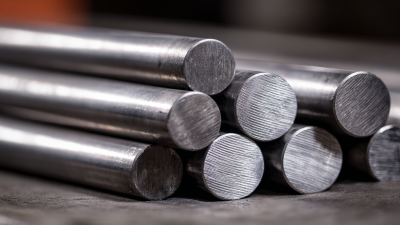
In the competitive landscape of modern industry, the choice of materials is crucial. Among various options, Round Carbide Rods stand out for their unique properties. They offer strength, durability, and precision in manufacturing processes. Industries rely on these rods for machining, cutting, and grinding.
Round Carbide Rods possess exceptional wear resistance. This feature significantly reduces tool wear and maintenance costs. Their hardness allows for high-performance applications in harsh environments. However, this can also pose challenges in processing these rods effectively.
Implementing Round Carbide Rods can enhance productivity. Yet, companies must evaluate their capabilities and equipment suitability. The potential for wastage increases if not properly managed. Ultimately, while the benefits are substantial, careful consideration is necessary for optimal results.
Advantages of Round Carbide Rods for Precision Machining Applications
Round carbide rods are widely used in precision machining applications due to their unique properties. These rods often exhibit exceptional hardness and wear resistance. This makes them ideal for cutting tools and wear parts. Their durability reduces downtime and maintenance costs significantly, an important factor in industrial settings.
In addition to their toughness, round carbide rods maintain dimensional stability. They resist deformation under high temperatures, which is critical for precision work. Machinists appreciate how these rods can produce high-quality finishes. However, not all applications may benefit from their use. Understanding the specific demands of a project is essential.
While round carbide rods provide many advantages, they can be challenging to machine. Their hardness requires specialized tools and techniques. This might lead to increased operational costs. Reflecting on the trade-offs is vital for any engineering decision. Choosing the right material means considering both benefits and limitations. Ultimately, round carbide rods are an effective choice for precision machining, but awareness of their complexities is crucial.
Durability and Wear Resistance: Key Benefits in Industrial Use
Round carbide rods offer significant advantages in industrial applications, particularly in terms of durability and wear resistance. These rods are made from robust carbide materials, which are known for their hardness. They can withstand high pressure and extreme temperatures. This makes them an ideal choice for cutting tools and wear parts.
When subjected to harsh conditions, round carbide rods show impressive performance. Their resistance to abrasion ensures longevity, even in high-impact environments. They maintain their shape and integrity longer than many other materials. As a result, industries save on replacement costs and maintenance.
However, the manufacturing process of carbide rods is not flawless. Some processes may lead to microstructural weaknesses. These weaknesses can affect wear resistance over time. While round carbide rods generally perform well, monitoring their condition is crucial. Observation of wear patterns can provide insights into their performance. Employing them effectively requires attention and knowledge of their limitations.
Cost-Effectiveness of Round Carbide Rods in Manufacturing Processes
Round carbide rods offer significant cost-effectiveness in manufacturing processes. These rods are known for their durability and wear resistance. This leads to lower replacement costs over time. Using round carbide rods can greatly improve production efficiency. They reduce downtime, keeping manufacturing lines running smoothly.
Manufacturers often face challenges in selecting materials. Round carbide rods stand out due to their versatility. They can be used in various applications, from cutting tools to wear parts. This reduces the need for multiple materials. Fewer materials equal lower inventory and management costs. However, not all manufacturers maximize this advantage. Some resist transitioning from traditional materials.
The investment in round carbide rods may seem high initially. Yet, the long-term savings are evident. They provide a reliable performance that outlasts standard steel rods. This reliability translates to savings in labor and time. Companies must weigh the upfront cost against potential gains. A rethink in material choices often leads to significant improvements.
Impact of Round Carbide Rods on Production Efficiency and Output
Round carbide rods are becoming essential in various industries due to their unique properties. Their durability often leads to improved production efficiency. For instance, according to a recent industry report, using these rods can increase machining speeds by up to 30%. Higher speeds typically translate into better throughput, allowing manufacturers to meet growing demands more effectively.
Additionally, round carbide rods possess excellent wear resistance. This means that tool changeovers can be minimized, reducing downtime. A study highlighted that companies using carbide rods saw a reduction in tool wear by 40%. This reduction directly contributes to maintaining a steady output, crucial in competitive markets. However, achieving this efficiency requires skilled operators who understand the nuances of carbide machining.
Despite these benefits, there are inherent challenges. Not all setups fully leverage the advantages of round carbide rods. Sometimes, improper selection or setup can negate their benefits, leading to inefficiencies. This highlights the need for ongoing training and development in the workforce. The potential for improved efficiency is there, but recognizing the nuances is key.
Top 10 Benefits of Using Round Carbide Rods in Industry
| Benefit |
Impact on Production Efficiency |
Impact on Output |
| High Wear Resistance |
Increases tool lifespan, reducing downtime |
Higher production due to less frequent replacements |
| Enhanced Precision |
Improves dimensional accuracy of parts |
Reduces scrap rates, boosting overall output |
| Increased Stability |
Reduces vibrations during machining |
Enhances machining consistency and quality |
| Versatile Applications |
Can be adapted for various machining processes |
Increases flexibility in production lines |
| Cost Efficiency |
Reduces the need for frequent replacements |
Lowers production costs over time |
| Better Surface Finish |
Improves the finish quality of machined parts |
Increases product quality, appealing to customers |
| Reduces Heat Generation |
Minimizes thermal expansion issues |
Maintains precision, leading to consistent output |
| High Strength |
Can withstand tough machining settings |
Supports high-volume production runs |
| Ease of Use |
Simplifies setup and operation in machining |
Speeds up production times, improving output rates |
| Environmental Resistance |
Resists corrosion and environmental factors |
Ensures consistent performance in varying conditions |
Versatility of Round Carbide Rods in Diverse Industrial Applications
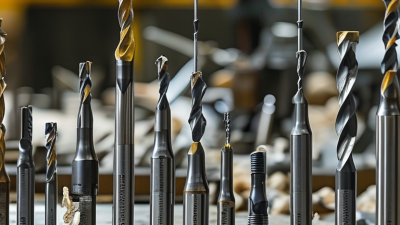
Round carbide rods are integral to diverse industrial applications. Their versatility stems from their exceptional hardness and resistance to wear. Industries such as manufacturing, mining, and construction utilize these rods for various purposes. For example, they are used in drilling tools, cutting tools, and wear parts. Each application demands precision and durability, which round carbide rods provide effectively.
The ability to withstand extreme conditions sets these rods apart. They perform well under high temperatures and pressure. This makes them suitable for both heavy-duty and precision tasks. However, selecting the right type of carbide rod can be challenging. Not all rods are the same. Factors like diameter, length, and grade matter. Users often need to balance between cost and performance.
Even with their advantages, round carbide rods have limitations. They can be brittle under certain circumstances. Careful handling and proper application are necessary to avoid breakage. Industry experts often recommend a thorough understanding of the material before use. Working with these rods means being aware of the potential pitfalls and adjusting accordingly. This adaptability is key in maximizing their benefits in any given application.