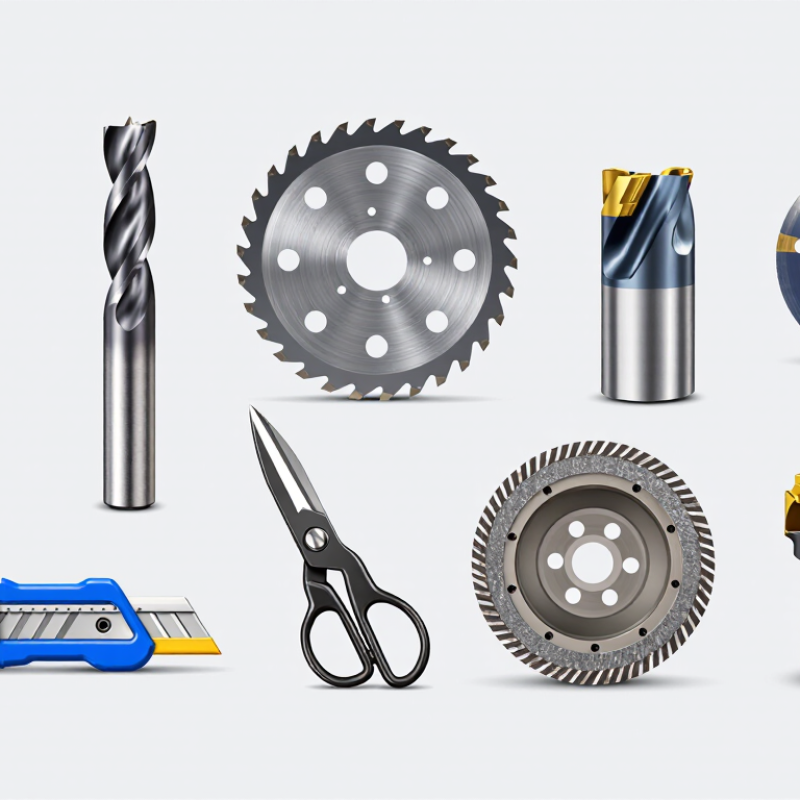
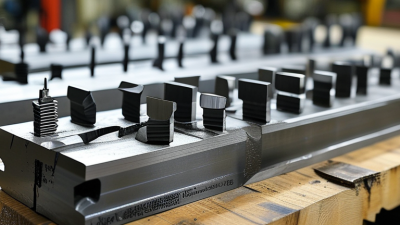
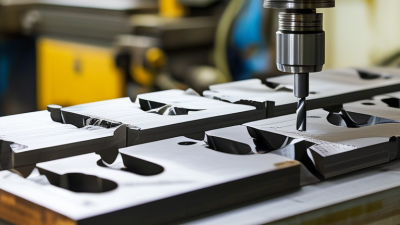
Choosing among the 10 best Cutting Tools is not a matter of picking the hardest-looking blade. Global buyers must match each tool to its material, machine, production volume, and finish requirements. A carbide end mill may perform well in a rigid CNC setup, while a high-speed steel drill can suit lower speeds or more flexible equipment. Small details matter: coating, flute geometry, shank size, and coolant access can change tool life and part quality.
Frederick Winslow Taylor, a pioneer in metal-cutting research, studied how cutting speed affects tool performance. His work offers a useful buyer’s principle: “Match cutting conditions to the material and the tool.” This is a practical summary, not a verified verbatim quotation. It reflects a central lesson of tool selection: specifications need context. A catalog rating alone cannot predict results on every shop floor.
This guide compares ten widely used tool categories, from drills and saw blades to turning inserts and abrasive cutters. It considers material compatibility, precision, durability, and purchasing factors such as replacement availability. Check the details. Supplier claims should be tested against technical data and, where possible, sample trials. One limitation remains: even a careful comparison cannot account for every machine, operator, or job. That uncertainty deserves attention, not a footnote.
Cutting tools separate material by concentrating force along a sharp edge or abrasive surface. A knife wedges fibers apart; scissors use two moving edges to shear them. A saw removes material with repeated teeth, while an abrasive wheel grinds away tiny particles. The working principle changes, but control matters in every case. The edge does the work. Pressure, angle, and speed affect the cut’s accuracy and finish.
Choosing a tool starts with the material and the job. A fine-toothed blade can leave a cleaner edge in thin sheet metal, while a coarse blade clears wood chips faster. For handheld tools, a steady grip and supported workpiece help prevent slipping. In workshops, check that guards and clamps are correctly positioned before cutting. Even experienced users can misjudge a dull edge; it may require more force and wander off the marked line. Small details matter.
Tips: Mark the cut clearly, then test on scrap when possible. Keep hands outside the cutting path. Let the tool’s edge or teeth advance at a controlled pace; forcing it can damage both the workpiece and the tool. After use, remove debris and inspect the cutting edge for chips or wear.
Cutting tools work best when matched to the material, cut shape, and production volume. Utility knives and craft knives handle cardboard, film, and thin sheet materials. Keep the blade sharp; a dull edge can crush packaging instead of slicing it cleanly. Shears suit fabric, leather, and light metal, but each material needs a suitable blade profile. Small details matter.
Hand saws and hacksaws offer control for wood, plastic, and metal bars. For repeated straight cuts, a band saw or circular saw can save time, provided the workpiece is secured. Jigsaws follow curves, though their edges may need sanding. Rotary cutters make clean passes through layered fabric, while tile cutters help score and snap ceramic surfaces. For industrial work, waterjet and laser systems cut complex shapes. Their setup, material limits, and operating costs deserve careful review.
Tips: Check the tool’s capacity against the thickest material you expect to cut. Ask suppliers about blade compatibility, replacement parts, and sample cuts before placing a large order. Wear eye protection, clamp loose workpieces, and follow the tool’s operating instructions. One choice may not fit every job, even in a well-equipped workshop.
The Main Types of Cutting Tools and Their Uses
The bars count broad material families commonly cut by each tool type: metals, wood, plastics, composites, and stone or ceramics. These counts indicate typical application range, not a guarantee for every tool or material; performance depends on tool design, setup, and workpiece.
Choosing a cutting tool starts with the material, not the tool’s appearance. For hardwood, a fine-tooth hand saw can leave a clean edge, while a carbide-tipped circular blade suits repeated straight cuts. Plywood may splinter, so support the sheet and cut with the finished face positioned according to the blade’s direction. Clean cuts matter. For plastic pipe, use a fine-tooth saw or purpose-made cutter to reduce crushing and rough edges.
Metal needs a different approach. Aviation snips work well for thin sheet, while a hacksaw handles rods and small sections with more control. For thicker stock, a compatible abrasive cutting wheel may be practical, but check its rated speed and the tool’s specifications. Glass and tile call for a suitable diamond blade; water-fed cutting can help control heat and dust when the equipment is designed for it. Always use appropriate eye and hand protection.
The application matters as much as the material. A portable jobsite tool may favor low weight and easy blade changes, while a workshop benefits from stable guides and repeatable cuts. It is easy to overvalue cutting speed; finish quality, replacement-blade availability, and compatibility often matter more over time. Test a sample. Even a technically suitable tool can disappoint if the material varies in thickness or contains hidden fasteners. Verify the workpiece and tool instructions before cutting.
| Cutting Tool | Best-Matched Materials | Typical Applications | Key Selection Factors | Practical Buying Notes |
|---|---|---|---|---|
| Solid Carbide End Mill | Steel, stainless steel, cast iron, aluminum, and other non-ferrous alloys, with the appropriate geometry and grade. | CNC milling, slotting, profiling, pocketing, and contouring. | Flute count, cutting diameter, helix and end geometry, coating, workpiece material, and machine rigidity. | Choose geometry for the specific material: aluminum commonly benefits from sharp edges and chip space, while steel machining often uses different edge preparations and coatings. |
| High-Speed Steel (HSS) Twist Drill | Common steels, aluminum alloys, plastics, and other materials suited to the drill geometry and grade. | General-purpose drilling in workshops, maintenance, and production settings. | Drill diameter, point geometry, flute length, shank type, material hardness, and whether the hole is through or blind. | HSS drills offer toughness and are widely used for general-purpose work. Match the drill point and operating conditions to the workpiece and setup. |
| Indexable Carbide Turning Insert | Steel, stainless steel, cast iron, and non-ferrous metals, depending on insert grade and chipbreaker. | Lathe turning, facing, and other compatible external or internal turning operations. | Insert shape, clearance angle, nose radius, grade, chipbreaker, cutting edge, and toolholder compatibility. | Confirm the insert designation and holder are compatible. Select a chipbreaker and edge preparation suited to the material and whether the cut is continuous or interrupted. |
| Bi-Metal Bandsaw Blade | Ferrous and non-ferrous metals, including solid stock, tubes, and structural profiles. | Production sawing and general metal stock cutting. | Blade width and length, tooth pitch, tooth form, material section size, machine capacity, and cutting conditions. | Variable-pitch teeth can help reduce vibration across a range of section sizes. Check blade dimensions against the saw and select tooth pitch for the workpiece section. |
| Carbide-Tipped Circular Saw Blade | Wood, wood-based panels, and selected non-ferrous metals when the blade is designed for that material. | Panel sizing, crosscutting, rip cutting, and compatible metal sawing operations. | Blade diameter, bore size, tooth count and shape, kerf, material, saw type, and cutting direction. | Use a blade specifically intended for the workpiece and saw. Check the maximum rated speed and ensure the blade’s bore and diameter match the machine. |
| Abrasive Cut-Off Wheel | Steel, stainless steel, and other materials for which the wheel is specified. | Portable or stationary abrasive cutting of bars, sections, and tubes. | Wheel dimensions, abrasive type, thickness, bond, material compatibility, and machine speed rating. | Never exceed the wheel’s marked maximum operating speed. Use the correct wheel for the material and machine, and follow the wheel manufacturer’s safety instructions. |
| Diamond Saw Blade | Concrete, masonry, stone, ceramic, and other specified mineral or construction materials. | Construction cutting, tile work, masonry work, and stone processing. | Blade diameter, arbor size, segment or rim design, wet or dry rating, machine type, and material hardness. | Segmented, turbo, and continuous-rim designs suit different cutting needs. Confirm whether the blade is rated for wet cutting, dry cutting, or both. |
| Thread Tap | Steel, stainless steel, aluminum, and other metals when matched to the tap material and geometry. | Cutting internal threads in drilled holes. | Thread standard and size, pitch, material, hole type, tap style, coating, and required thread depth. | Spiral-point taps are commonly used for through holes, while spiral-flute designs help evacuate chips from blind holes. Verify the correct tap-drill size for the thread. |
| Machine Reamer | Steel, cast iron, and non-ferrous metals, subject to reamer material and geometry. | Finishing pre-drilled or pre-bored holes to improve size consistency and surface finish. | Finished hole diameter, tolerance, reamer type, flute design, workpiece material, and machine alignment. | A reamer is intended to finish an existing hole rather than create one from solid material. Follow the recommended pre-hole size and maintain suitable alignment. |
| Wood Router Bit | Solid wood, plywood, MDF, and selected plastic laminates when the bit is designed for the material. | Edge forming, grooving, trimming, dadoing, and template routing. | Shank diameter, cutter profile, cutting diameter, cutting length, number of flutes, and router compatibility. | Use a sharp bit suited to the material and operation. Check the router’s collet size and speed range, and secure the workpiece before cutting. |

A global buyer should evaluate cutting tools against the actual material, task, and working conditions—not a catalog photograph. Start with the substrate: thin sheet, dense fiber, or soft packaging each places different demands on edge geometry and tool strength. Record the required cut length, expected daily volume, and acceptable edge quality.
Then inspect grip comfort, balance, blade access, and protective features. Fit matters. A tool that feels secure during a brief sample test may become tiring after several hours, so ask operators to try it on representative materials.
Request measurable specifications, including dimensions, material composition, tolerances, and replacement-part availability. When possible, test samples from the production batch rather than relying only on a demonstration unit. Check whether packaging protects the edge during long-distance shipping, and confirm that instructions and product documents are clear for the intended users.
Compare supplier responses carefully; vague answers about durability deserve follow-up questions. A scorecard helps, but it can create false confidence if its criteria do not reflect real use. I would keep a small record of test conditions, failures, and operator feedback, even when results are messy.
Test the edge. Reassess after extended use, because wear patterns often reveal problems that a new tool cannot.
Global buyers rarely need one perfect cutting tool; they need a dependable match for the material, workload, and local service conditions. A utility knife handles cartons and sheet materials, while a craft knife suits fine trimming. A rotary cutter moves cleanly through fabric. Aviation snips and a hacksaw offer practical options for sheet metal and small metal stock. Small details matter.
For larger jobs, compare bandsaws and circular saws by cut capacity, blade availability, and ease of maintenance. A pipe cutter can produce consistent cuts on compatible tubing, while bypass pruners are designed for living stems. CNC end mills suit controlled machining, but their geometry must match the workpiece and machine setup. These ten tools serve different tasks; treating them as direct substitutes is a common purchasing mistake.
Before ordering, check blade or cutter dimensions, replacement-part access, packaging protection, and operating instructions. Ask suppliers for material compatibility data and sample-cut evidence when the application is demanding. A tool that performs well in a demonstration may behave differently with thicker stock or an unfamiliar power supply. A neat ranking can mislead. Price matters, but downtime, training, and consumable costs deserve equal attention. Buyers should document a simple acceptance test, such as checking cut width and edge quality on the actual material.