Leave Your Message

China Top 10 Tungsten Carbide Plate Manufacturers

China has become a major source of wear-resistant materials for mining, construction, recycling, and industrial tooling. Among these products, Tungsten Carbide Plate stands out for its hardness, abrasion resistance, and adaptable design. However, product quality varies widely between manufacturers.

This guide examines ten leading Chinese manufacturers through practical purchasing criteria. These criteria include tungsten carbide grade, cobalt content, grain size, plate thickness, surface finish, and dimensional accuracy. Production capability also matters. A reliable factory should provide material certificates, batch traceability, inspection reports, and consistent sample results. Clear communication is equally important.

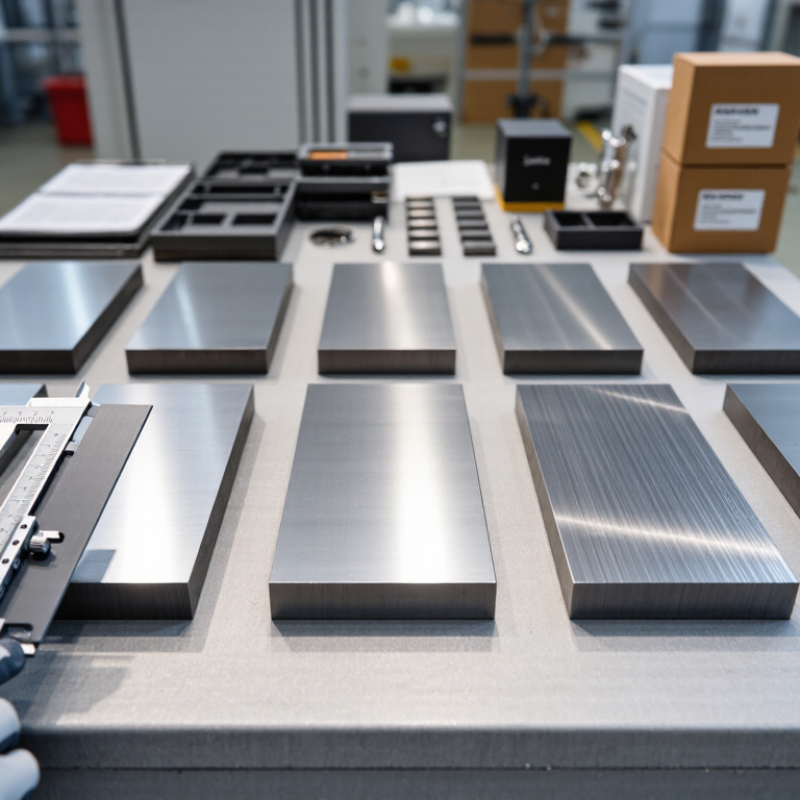
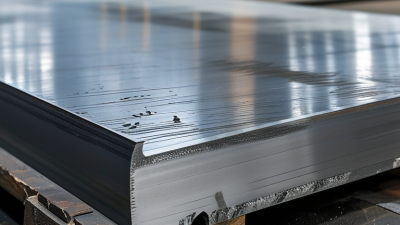
Real-world evaluation often begins with small details. Inspectors may check a plate under direct light for grinding marks, edge chipping, or uneven brazing surfaces. They may also compare hardness readings across several points. These checks can reveal problems hidden by attractive catalogs. Some manufacturers offer laser cutting, grinding, drilling, or custom dimensions, which may reduce later processing work.

The ranking is not absolute. Market data changes, and some companies disclose limited technical information. A manufacturer with strong export experience may still have inconsistent lead times. Another supplier may offer excellent pricing but weaker documentation. These limitations deserve attention.

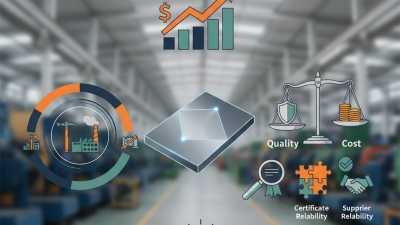
The companies discussed here are assessed for manufacturing experience, technical expertise, quality systems, customization ability, and customer reliability. Buyers should request recent samples and verify certificates before placing large orders. Performance depends on application conditions, not advertising alone. A careful comparison can reduce replacement costs and improve service life in demanding environments.

China Top 10 Tungsten Carbide Plate Manufacturers

What Is Tungsten Carbide Plate and Where Is It Used?

Tungsten carbide plate is a hard composite made from tungsten carbide particles and a metallic binder, usually cobalt or nickel. Powder is pressed, sintered, and sometimes ground to precise thickness. The result resists abrasion, impact, heat, and surface deformation. It is not indestructible.

The USGS Mineral Commodity Summaries 2024 reported about 81,000 metric tons of tungsten mine production worldwide in 2023, measured by tungsten content. This supply supports cutting tools, mining parts, wear liners, and industrial forming equipment. Plate grades commonly reach about 86–94 HRA, while density often ranges from 14.5 to 15.2 g/cm³. Harder grades resist sliding wear better. Tougher grades handle impact better. Choosing only maximum hardness can be a mistake.

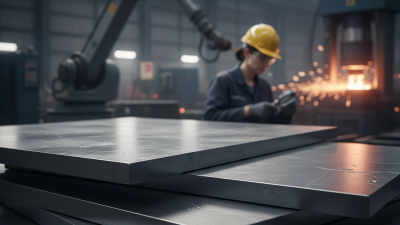
In quarrying, plates protect crusher liners and conveyor components from abrasive rock. In recycling and construction, they shield chutes, mixing blades, and cutting edges. Oil and gas equipment may use carbide overlays where sand causes rapid erosion. A top-10 supplier review should verify carbide grain size, binder percentage, flatness, thickness tolerance, and test certificates. Marketing claims need evidence.

Tips: Match the grade to the wear pattern. Confirm whether the damage comes from abrasion, impact, corrosion, or heat. Ask for ISO 9001 quality records and batch inspection data. Check edge chipping after machining. Small flaws matter. The ITIA identifies tungsten as a strategically important material, yet recycled content and supply data remain uneven, so buyers should request traceable material records.

How the Top 10 Manufacturers Are Selected and Ranked

How the Top 10 Manufacturers Are Selected and Ranked

The ranking begins with verifiable production evidence, not advertising claims. We review carbide plate grades, tungsten carbide grain size, cobalt content, density, hardness, and transverse rupture strength. Independent laboratory reports receive more weight than catalog descriptions. A consistent batch matters more than one impressive sample.

Factory assessments examine powder mixing, pressing, sintering, grinding, and final inspection. We check dimensional tolerance with calibrated tools, often around plate edges and drilled holes. Surface finish also matters, especially where plates contact molds or cutting equipment. Quality systems, traceable batch numbers, inspection records, and corrective actions influence the score. Production capacity and realistic lead times are included, but neither can excuse unstable quality.

Customer evidence adds practical experience. We compare repeat-order performance, technical responses, packaging, and complaint handling. Export documentation and transparent communication support reliability. The ranking uses weighted criteria: product quality, process control, delivery performance, technical service, and value. Yet this method is not perfect. Public data can be incomplete, and factory visits may reflect only one production day. Prices also change with tungsten costs. For that reason, rankings are reviewed against fresh samples and recent buyer feedback. A manufacturer may perform well in one grade but poorly in another. That detail deserves attention.

Profiles of China’s Top 10 Tungsten Carbide Plate Manufacturers

China’s top ten tungsten carbide plate manufacturers are best compared by process control, material consistency, and application experience. This profile uses practical indicators rather than a fixed ranking. Public information is uneven, so buyers should verify every technical claim.

Manufacturer One focuses on standard wear plates for mining and construction tools. Manufacturer Two offers fine-grain grades for sharper edges and tighter tolerances. Manufacturer Three emphasizes large plates, where flatness and internal stress require careful sintering. Manufacturer Four serves mold and tooling applications with polished surfaces and controlled dimensions. Manufacturer Five provides custom blanks, including drilled, grooved, and stepped designs. Manufacturer Six appears strong in recycling production scrap and improving material efficiency. That advantage still needs independent verification.

Manufacturer Seven concentrates on high-cobalt grades for impact resistance. Manufacturer Eight develops low-porosity plates for abrasive working conditions. Manufacturer Nine combines vacuum sintering with automated grinding inspection. Manufacturer Ten supports export orders with traceable batches and technical documentation. These profiles show different strengths, not identical quality. A reliable comparison should examine carbide grain size, cobalt content, hardness, transverse rupture strength, density, and dimensional tolerance. Ask for inspection records. Check sample performance.

Factory visits can reveal details that brochures miss, such as powder storage, furnace maintenance, and edge damage after grinding. One weakness remains common: delivery promises may receive more attention than long-term wear data. Buyers should request application feedback, test samples, and clear acceptance standards before placing volume orders.

China Top 10 Tungsten Carbide Plate Manufacturers - Profiles of China’s Top 10 Tungsten Carbide Plate Manufacturers

Rank Anonymous Manufacturer Profile Primary Product Scope Typical Carbide Grade Range Available Plate Forms Surface and Edge Options Common Applications Recommended Verification Documents
1 Profile A — Integrated Carbide Plate Producer Standard and custom tungsten carbide plates for wear-resistant tooling ISO K10–K40 equivalent grades Flat plates, strips, blanks, and special geometries Sintered, ground, polished, chamfered, or square edges Mining tools, forming dies, wear liners, and cutting equipment Material certificate, dimensional inspection report, and hardness test report
2 Profile B — Fine-Grain Precision Plate Specialist Fine-grain carbide plates for precision cutting and stamping Fine- and ultra-fine-grain grades Thin plates, narrow strips, and precision blanks Diamond-ground surfaces and controlled edge chamfers Electronic components, precision dies, medical parts, and micro-tools Grain-size data, cobalt-content report, flatness report, and sample approval record
3 Profile C — Wear-Resistant Mining Plate Manufacturer Heavy-duty plates designed for impact and abrasive wear Medium- to coarse-grain impact-resistant grades Thick plates, wear blocks, and replaceable liner sections As-sintered, ground, drilled, or customized for brazing Rock drilling, excavation, crushing, oil and gas, and construction machinery Transverse rupture strength, density, porosity, and impact-performance data
4 Profile D — Custom-Dimension Plate Supplier Made-to-drawing carbide plates and special-size components Low-, medium-, and high-cobalt formulations Standard sheets, cut-to-size plates, and engineered blanks Wire-cut, ground, lapped, polished, and precision-drilled Custom machinery, metal forming, woodworking, and industrial tooling Approved drawing, first-article inspection, dimensional report, and traceability record
5 Profile E — Brazing-Ready Carbide Plate Producer Plates prepared for brazed composite tools and wear components General-purpose grades with controlled cobalt content Strips, plates, inserts, and brazing blanks Cleaned, ground, nickel-plated, or prepared for joining Saw teeth, agricultural tools, recycling equipment, and wear parts Brazing-surface specification, coating details, cleanliness record, and dimensional report
6 Profile F — Large-Format Sintered Plate Manufacturer Large-area carbide plates and wear-resistant structural components Medium-grain and impact-resistant formulations Large plates, blocks, liners, and segmented assemblies As-sintered, surface-ground, or machined after sintering Industrial wear systems, feed equipment, construction, and recycling Sintering batch record, density mapping, flatness measurement, and ultrasonic inspection where applicable
7 Profile G — Corrosion- and Heat-Resistant Grade Supplier Specialized carbide plates for demanding thermal and chemical environments Special binder systems and corrosion-resistant grades Plates, rings, strips, and custom wear segments Fine-ground, polished, coated, or custom-finished surfaces Chemical processing, high-temperature tooling, pumps, and valve components Corrosion test data, thermal-property data, chemical composition, and application validation report
8 Profile H — Cutting-Tool Plate Specialist Carbide plates and strips for industrial cutting applications Fine-grain grades optimized for wear resistance and edge retention Knife blanks, strips, tips, and profiled plates Precision-ground, honed, chamfered, or prepared for coating Paper converting, food processing, woodworking, and metal slitting Edge geometry record, roughness report, hardness data, and cutting-performance test
9 Profile I — Mold and Die Plate Manufacturer High-precision carbide plates for dies, punches, and molds Fine-grain grades with high hardness and dimensional stability Die plates, punch blanks, inserts, and precision blocks Lapped, polished, wire-cut, and precision-ground surfaces Stamping, extrusion, powder compaction, and high-wear molds Geometric tolerance report, surface-finish report, metallographic image, and inspection plan
10 Profile J — Export-Oriented Tungsten Carbide Plate Supplier Standardized carbide plates with international order support Common ISO and customer-specified grade equivalents Standard plates, strips, blanks, and mixed-size orders Sintered, ground, polished, chamfered, and customized finishes General engineering, mining, construction, cutting, and wear protection Commercial invoice, packing list, certificate of origin, material certificate, and pre-shipment inspection report

Note: Manufacturer identities are intentionally omitted. Grade classifications, dimensions, tolerances, and documentation should be confirmed against the supplier’s current technical datasheet and inspection records before purchase.

Comparison of Products, Materials, Capacities, and Quality Standards

China’s top 10 tungsten carbide plate manufacturers differ in products, materials, capacity, and quality controls. Most offer WC-Co plates for wear resistance, cutting tools, mining, and forming dies. Cobalt content commonly ranges from 6% to 25%. Lower cobalt usually improves hardness, while higher cobalt can increase toughness. Grain size also matters. Fine grains support sharper edges; coarse grains can resist impact better.

Capacity figures need careful checking. The USGS Mineral Commodity Summaries 2025 reported China as the largest tungsten mine producer, with about 67,000 metric tons in 2024. However, tungsten output does not equal carbide plate capacity. A reliable comparison should examine monthly sintering volume, pressing equipment, furnace size, and actual delivery records. Some factories list annual capacity without separating standard plates from custom grades. That creates an imperfect comparison.

Tips: Request a recent test report for density, hardness, transverse rupture strength, and cobalt content. Testing methods should reference recognized procedures, such as ISO 6506 or ASTM E384, where applicable. Check dimensional tolerance, edge chipping, flatness, and surface grinding marks under strong side lighting. ISO 9001 certification shows process management, but it does not prove every plate performs equally. Ask for batch traceability, inspection photos, and a sample from regular production. One overlooked detail is packaging. Thin plates may arrive with corner damage despite excellent laboratory results.

How to Choose a Reliable Tungsten Carbide Plate Manufacturer in China

Choosing a reliable tungsten carbide plate manufacturer in China requires more than comparing prices. Start with the plate’s working conditions. Mining tools may need high wear resistance, while stamping dies require balanced hardness and toughness. Ask for the carbide grade, cobalt content, grain size, hardness, transverse rupture strength, and dimensional tolerances. A professional manufacturer should explain these figures clearly, not hide behind vague claims.

Request a sample with the same grade and thickness as your intended order. Check surface grinding, flatness, edge quality, and visible pores. Ask for a material certificate and batch traceability. Reliable factories can usually share inspection records, production photos, and realistic delivery times. An on-site or video audit can reveal useful details, such as clean powder handling and calibrated testing equipment. Communication matters too. Slow or unclear replies may become costly after payment. No supplier is perfect. I would still examine how openly they discuss defects and corrective action.

Tips: Compare at least three quotations, but never choose by price alone. Confirm packaging, replacement terms, inspection methods, and payment stages in writing. Ask whether the factory controls powder mixing, pressing, sintering, and grinding internally. If these processes are outsourced, quality responsibility may become unclear. Review a small trial order before committing to large production. Measure the delivered plates yourself when possible. One overlooked tolerance can affect an entire tool assembly. Keep all drawings, test results, and approval samples together for future batches.

China Top 10 Tungsten Carbide Plate Manufacturers — How to Choose a Reliable Manufacturer in China

Typical hardness values for widely used WC-Co carbide plate grades. Higher cobalt content generally improves toughness, while higher tungsten carbide content and finer grain size typically improve hardness and wear resistance.

Use these representative industry values as a screening reference. When evaluating a manufacturer, verify hardness consistency, chemical composition, dimensional tolerance, surface quality, test reports, and batch traceability.