China Top 10 Tungsten Carbide Round Bars Suppliers
China Top 10 Tungsten Carbide Round Bars Suppliers
Tungsten Carbide Round Bars support demanding cutting, drilling, wear, and forming applications. Their value depends on carbide grade, cobalt content, grain size, straightness, and surface quality. A polished bar may look excellent, yet its internal structure determines tool life. This distinction matters for manufacturers selecting Chinese suppliers.
The USGS Mineral Commodity Summaries 2025 estimates global tungsten mine production at approximately 81,000 metric tons in 2024. China contributed about 67,000 metric tons, confirming its leading position in tungsten supply. That concentration matters. It supports broad material availability, but it also increases the importance of supplier verification and supply-chain resilience.
The International Tungsten Industry Association identifies cemented carbide as the principal industrial use of tungsten. Consequently, reliable suppliers should demonstrate more than competitive pricing. They should provide carbide grade certificates, dimensional inspection records, batch traceability, and consistent sintering controls. ISO 9001 certification can support confidence, although certification alone does not prove product performance.
This guide reviews China’s top ten suppliers through practical purchasing criteria. These include raw-material control, powder preparation, pressing technology, sintering capability, grinding accuracy, export experience, and technical support. ASTM, ISO, and customer-specific requirements should be checked before ordering. Samples should also undergo independent testing when the application is critical.
No ranking is flawless. Supplier strengths change with equipment, staffing, and market conditions. A careful buyer should treat this list as a starting point, not a final decision. Small details matter, especially edge chipping, runout, and inconsistent grain structure.
What Tungsten Carbide Round Bars Are and Why They Matter
China Top 10 Tungsten Carbide Round Bars Suppliers
What Tungsten Carbide Round Bars Are and Why They Matter
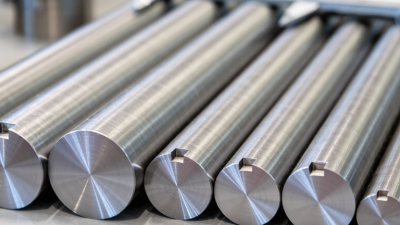
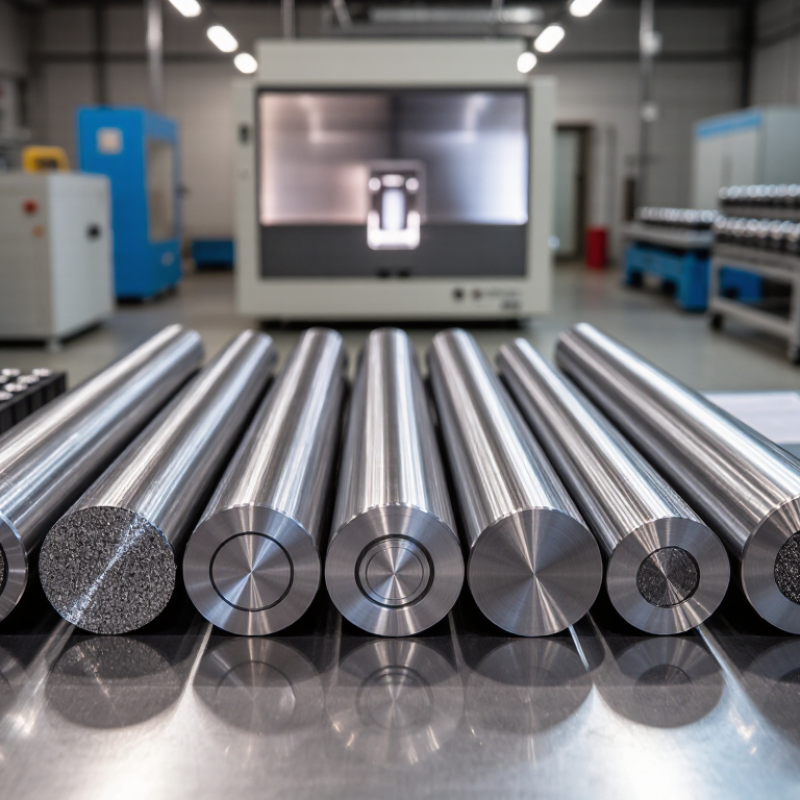
Tungsten carbide round bars are cemented-carbide rods used in drills, end mills, reamers, and wear components. Most combine tungsten carbide grains with a cobalt-based binder. This structure delivers high hardness, stiffness, and wear resistance under demanding cutting conditions.
Small details matter. The U.S. Geological Survey’s Mineral Commodity Summaries 2025 estimated global tungsten mine production at 81,000 metric tons in 2024. China accounted for about 67,000 metric tons. This supply concentration explains why material traceability deserves careful attention when evaluating Chinese suppliers.
The International Tungsten Industry Association reports that cemented carbide represents roughly 60% of global tungsten use. Round bars therefore support a large and practical industrial ecosystem. Their performance depends on carbide grain size, binder percentage, density, porosity, and transverse rupture strength. A finer grain often improves edge strength, but it may reduce toughness in unstable machining.
The best grade is not always the hardest one. That point is easy to miss.
When comparing suppliers, request inspection records, dimensional tolerances, straightness data, and batch-level composition reports. Ground bars should show consistent diameter and surface quality. Unfinished bars need different checks, especially grinding allowance and sintering distortion. A polished catalog cannot replace independent testing. In my experience, small variations become expensive when thousands of tools require rework.
China Top 10 Tungsten Carbide Round Bars Suppliers: What Tungsten Carbide Round Bars Are and Why They Matter
Tungsten carbide round bars are cemented-carbide products made primarily from tungsten carbide particles bonded with cobalt. The chart shows representative nominal WC-Co compositions commonly used in round-bar grades. Higher cobalt content generally improves toughness, while higher tungsten carbide content supports hardness and wear resistance.
Note: Values are representative nominal compositions in weight percent. Actual grades may also contain small amounts of grain-growth inhibitors and other additives.
How China’s Top Suppliers Are Evaluated and Ranked
China’s top ten tungsten carbide round bar suppliers should be ranked through evidence, not advertising claims. A practical review begins with material composition, including tungsten carbide grain size and binder percentage. These details affect hardness, toughness, and cutting performance. Independent laboratory reports should confirm density, transverse rupture strength, and hardness. Supplier samples also deserve inspection.
Manufacturing consistency matters just as much. Reviewers should measure diameter tolerance, straightness, surface finish, and edge quality across several production batches. A reliable supplier can provide heat-treatment records, inspection data, and traceability for each lot. Factory audits add useful experience. They may reveal equipment maintenance, powder handling controls, and actual storage conditions. Ask for clear answers.
Ranking should combine technical quality, delivery reliability, documentation, and after-sales support. A weighted score can prevent one low price from hiding weak performance. For example, quality may receive the highest weight, followed by consistency and technical service. Compliance with recognized quality systems strengthens credibility, but certificates alone prove little. Their scope and validity require checking.
The process is not perfect. Public data can be incomplete, and small samples may favor one supplier unfairly. Customer references can also reflect unusual projects. I would record these limitations beside every score. A supplier with slightly lower hardness may still fit impact-heavy machining better. The best ranking depends on the buyer’s application, not a universal list.
China’s Top 10 Tungsten Carbide Round Bar Suppliers
China’s Top 10 Tungsten Carbide Round Bar Suppliers should be assessed through evidence, not rankings alone. The USGS Mineral Commodity Summaries 2025 reported approximately 81,000 metric tons of global tungsten mine production in 2024, with China contributing about 67,000 tons. This represents roughly 83% of worldwide output and explains China’s strong carbide supply base.
For round bars, practical buyers should examine carbide grade, cobalt content, grain size, straightness, and grinding allowance. A reliable supplier should provide batch-level chemical analysis, hardness results, density readings, and dimensional inspection records. ISO 9001 certification helps, but it does not replace product testing. Ask for sample bars. Check the cutting edge under magnification. Small pores can become large failures.
The International Tungsten Industry Association identifies cemented carbide as the dominant tungsten application, supporting sustained demand for precision blanks and tooling materials. China’s leading suppliers generally offer standard rods, coolant-hole designs, and customized diameters for drilling, milling, and wear components. However, “top ten” lists can be imperfect. Export volume may hide inconsistent batches, while a smaller factory may provide better technical support. Buyers should compare at least three recent inspection reports, confirm delivery history, and review packaging against moisture and impact risks. A polished catalog is not proof.
China Top 10 Tungsten Carbide Round Bars Suppliers - China’s Top 10 Tungsten Carbide Round Bar Suppliers
| Rank |
Supplier Reference |
Manufacturing Region |
Round Bar Forms |
Typical Diameter Range |
Common Grade Range |
Typical Cobalt Content |
Surface Options |
Applicable Quality References |
Primary Applications |
| 1 |
Supplier 01 |
Zhuzhou, Hunan |
Solid, coolant-hole, stepped |
3–30 mm |
K10–K40 |
6–15 wt% |
Ground, polished, blank |
ISO 9001; ISO carbide-grade references |
End mills, drills, reamers, wear parts |
| 2 |
Supplier 02 |
Jiangxi |
Solid, two-hole, spiral-hole |
2–25 mm |
K10–K30 |
6–12 wt% |
Ground and polished |
ISO 9001; controlled powder-metallurgy process |
Micro tools, PCB drills, precision cutters |
| 3 |
Supplier 03 |
Sichuan |
Solid, coolant-hole, long-length |
4–32 mm |
K20–K40 |
8–15 wt% |
Blank, centerless-ground |
ISO 9001; dimensional inspection records |
Woodworking tools, mining tools, general machining |
| 4 |
Supplier 04 |
Guangdong |
Solid, stepped, custom-profile |
3–20 mm |
K10–K30 |
6–12 wt% |
Fine-ground and polished |
ISO 9001; customer drawing control |
Precision drills, burrs, medical and electronics tools |
| 5 |
Supplier 05 |
Fujian |
Solid and one-hole |
4–28 mm |
K15–K40 |
6–15 wt% |
Ground, polished, chamfered |
ISO 9001; carbide density and hardness testing |
Rotary tools, cutting tools, wear-resistant components |
| 6 |
Supplier 06 |
Jiangsu |
Solid, two-hole, spiral-hole |
3–25 mm |
K10–K35 |
6–13 wt% |
Ground and polished |
ISO 9001; profile and straightness inspection |
High-speed milling, drilling, mold tooling |
| 7 |
Supplier 07 |
Henan |
Solid, long bar, wear-grade bar |
5–40 mm |
K20–K50 |
8–20 wt% |
Blank and rough-ground |
ISO 9001; hardness, density and transverse-rupture testing |
Mining, stamping, forming and heavy-duty wear parts |
| 8 |
Supplier 08 |
Shandong |
Solid, coolant-hole, custom length |
4–30 mm |
K10–K40 |
6–15 wt% |
Ground, polished, chamfered |
ISO 9001; batch traceability procedures |
Automotive tooling, general engineering, die making |
| 9 |
Supplier 09 |
Zhejiang |
Solid, micro-diameter, stepped |
0.8–16 mm |
K05–K30 |
3–12 wt% |
Fine-ground and polished |
ISO 9001; precision dimensional control |
Micro-drills, dental tools, electronics machining |
| 10 |
Supplier 10 |
Hunan |
Solid, one-hole, two-hole |
3–28 mm |
K10–K40 |
6–15 wt% |
Blank, ground, polished |
ISO 9001; incoming and final inspection systems |
Cutting tools, wear parts, woodworking and metalworking |
Data note: The supplier references are intentionally anonymized. Diameter, grade and cobalt-content ranges represent commonly manufactured tungsten carbide round-bar specifications in China; exact tolerances, hole geometry, straightness, surface finish, minimum order quantity and certification status should be confirmed against the supplier’s current technical datasheet and inspection report.
Key Products, Grades, and Manufacturing Capabilities
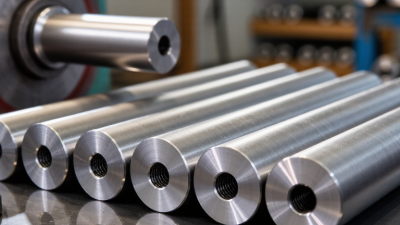
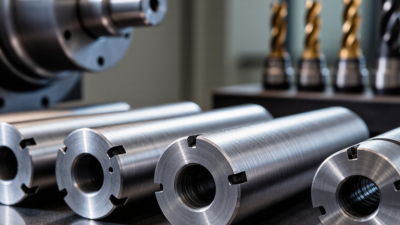
China’s top tungsten carbide round bar suppliers serve cutting tools, wear parts, and precision machining markets. Their key products include solid carbide rods, ground blanks, coolant-hole rods, and customized stepped bars. Each form suits a different production requirement.
Common grades range from K10 and K20 to ultrafine-grain carbide. Lower cobalt content can improve hardness and wear resistance. Higher cobalt content usually improves toughness during interrupted cutting.
Some suppliers offer submicron grades for small-diameter drills and end mills. Others produce coarse-grain grades for impact-heavy applications. Grade names vary between manufacturers, so buyers should request the full chemical and physical specification.
Manufacturing capability often separates experienced suppliers from simple traders. Reliable factories control powder mixing, pressing, sintering, and vacuum or HIP treatment. Centerless grinding can hold tight diameter tolerances. Laser inspection helps detect surface flaws and straightness problems.
Quality documents should include grain size, cobalt percentage, density, transverse rupture strength, and batch traceability. A supplier may show excellent sample results but provide weaker consistency later. That risk deserves attention.
Ask for repeated batch data, not one attractive report. Packaging also matters; chipped edges can appear before the bars reach a toolmaker’s workshop. The strongest comparison considers grade accuracy, grinding capacity, delivery stability, and technical communication together.
How to Select the Right Chinese Supplier for Your Needs
Selecting a Chinese tungsten carbide round bar supplier requires more than comparing price lists. The USGS Mineral Commodity Summaries 2025 estimated China produced about 67,000 metric tons of tungsten in 2024. That represents most global mine output. Strong domestic access can improve material continuity, but it does not guarantee consistent carbide quality.
Request a recent mill certificate for every production lot. Check tungsten carbide percentage, cobalt content, grain size, density, hardness, and transverse rupture strength. Compare results with ISO 9001 procedures and relevant ASTM or ISO material standards. Ask whether testing uses calibrated equipment. Ask for evidence. A supplier should also explain powder origin, pressing method, sintering temperature control, and grinding tolerance.
Inspect sample bars before signing a large contract. Measure diameter at several points, then examine surface grinding under bright light. Small edge chips can become expensive failures during machining. Request a traceable sample report, inspection photos, and a corrective-action record for previous defects. The International Tungsten Industry Association’s technical guidance highlights powder quality and sintering control as major performance factors. Still, documentation can be incomplete. I would not treat a polished certificate as proof of stable production. Audit response time, packaging strength, export experience, and replacement terms. A factory that answers technical questions clearly is usually easier to manage after delivery.