What Are the Top Blank Carbide Plate Suppliers Worldwide?
Choosing the right Blank Carbide Plate supplier requires more than comparing prices or browsing polished websites. Carbide plates support demanding applications, including stamping dies, wear components, cutting tools, and precision engineering parts. Their performance depends on carbide grade, binder content, grain size, flatness, thickness tolerance, and surface condition. A reliable supplier should explain these details clearly.
This guide examines leading suppliers worldwide through practical and verifiable criteria. It considers manufacturing experience, material consistency, quality-control systems, testing capabilities, delivery performance, and technical support. Certifications can strengthen trust, but they should not replace direct evidence. Production samples, inspection reports, and application references often reveal more. Small details matter, such as protected packaging, clean edges, and accurate dimensions after grinding.
No supplier is perfect. Regional shipping, minimum order quantities, and customization limits may affect the final decision. Some companies excel at standard plates, while others perform better with special grades or tight tolerances. Buyers should confirm carbide composition, available sizes, surface finishes, and documentation before ordering. This is where many comparisons become less certain. Public information may be outdated, incomplete, or written for marketing purposes.
The suppliers discussed in this article are assessed with a balanced approach. Their reputation matters, but measurable capability matters more. Readers should still request current quotations and technical confirmation. A careful comparison can reduce material waste, delayed production, and unexpected rework. That practical step is often overlooked.
What Are Blank Carbide Plates and Why Are They Used?
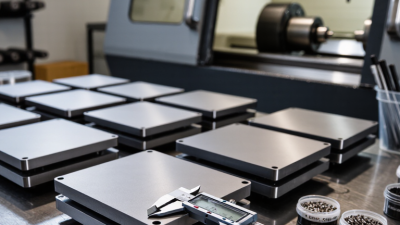
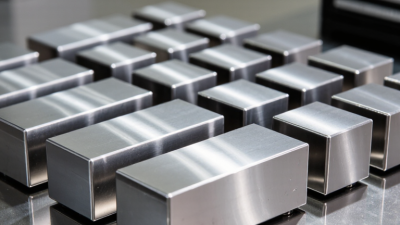
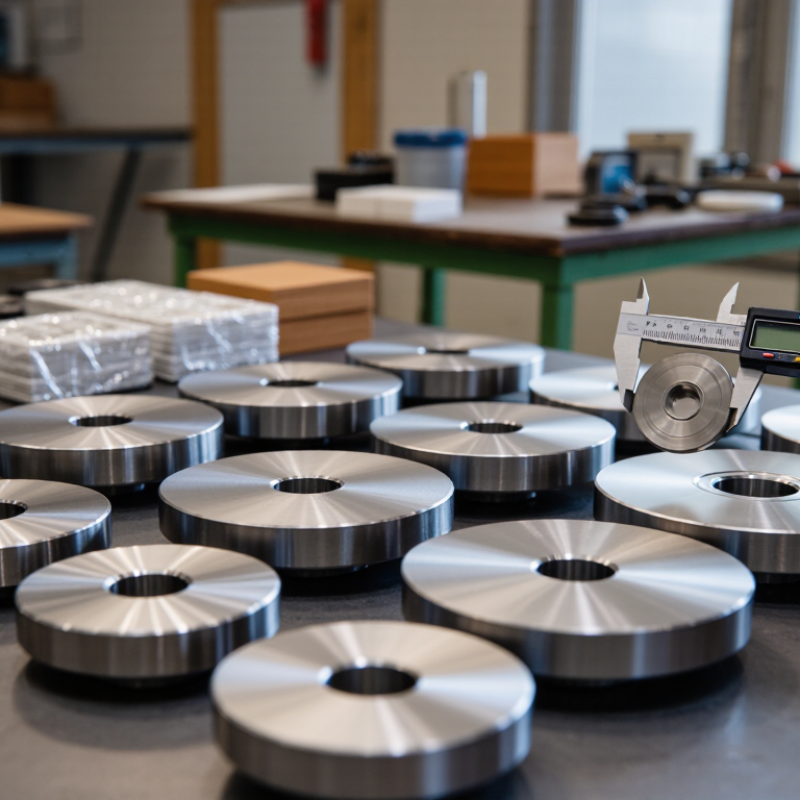
Blank carbide plates are unfinished cemented-carbide pieces, usually made from tungsten carbide powder bonded with cobalt. They arrive without cutting edges, holes, or final profiles. Manufacturers grind, wire-cut, braze, or coat them for dies, wear strips, punches, and cutting components. Their hardness resists abrasion, while the metal binder adds toughness. The balance is difficult. More binder can improve impact resistance but may reduce wear life.
The U.S. Geological Survey’s Mineral Commodity Summaries 2025 estimated global tungsten mine production at about 81,000 metric tons in 2024. This matters because tungsten supply affects carbide pricing, delivery times, and material planning. A plate may look simple, yet its performance depends on grain size, cobalt content, porosity, and surface finish. Small defects can become cracks under repeated pressure.
Industry selection should follow actual working conditions, not hardness numbers alone. The European Powder Metallurgy Association’s technical guidance highlights powder quality, pressing control, and sintering consistency as major factors in cemented-carbide reliability. Buyers should request grade data, dimensional tolerances, inspection records, and traceability documents. Ask for samples.
One point deserves reflection. “Carbide plate” is not one universal specification. A wear plate for sand handling needs a different structure from a precision punch. Supplier comparisons become unreliable when application details are missing. Temperature, impact, corrosion, and grinding allowance should be recorded before ordering.
Key Factors for Evaluating Global Carbide Plate Suppliers
What Are the Top Blank Carbide Plate Suppliers Worldwide?
Evaluating a global blank carbide plate supplier requires more than comparing prices. Start with material expertise. Ask which carbide grades match your cutting, wear, or forming application. A reliable supplier should explain tungsten carbide content, binder selection, hardness, toughness, and grain size in practical terms. Vague answers deserve caution.
Dimensional control matters just as much. Review thickness tolerance, flatness, surface condition, and edge quality. Request inspection reports for actual production batches, not only standard brochures. I also look for batch traceability, consistent packaging, and clear identification on each plate. Small details matter. A missing lot number can complicate quality investigations later.
Supplier experience should be visible through samples, technical drawings, and realistic lead-time records. Check whether the factory controls pressing, sintering, grinding, and final inspection internally. Independent quality certifications may support credibility, but certificates alone prove little. Speak with technical staff and test a small sample before placing a large order. Communication across time zones can expose weaknesses quickly. Slow replies are not always failure, yet repeated misunderstandings create measurable risk. Logistics planning should include moisture protection, secure packing, customs documents, and contingency options. No supplier is perfect. Even strong evaluations may miss a hidden process variation, so keep testing and reviewing performance.
Leading Blank Carbide Plate Suppliers by Region
Blank carbide plate suppliers vary by region, process capability, and material consistency. East Asian manufacturers often provide broad size ranges and competitive production for mold inserts, wear parts, and cutting tools. Many operate automated pressing and sintering lines. Buyers should request density data, grain size, cobalt content, and dimensional tolerances before placing volume orders.
European suppliers commonly emphasize traceability, controlled metallurgy, and specialized grades. Their carbide plates may suit precision dies, industrial knives, and high-wear engineering components. Certification records can be detailed, including batch numbers and inspection reports. However, smaller order quantities may involve higher unit costs. Lead times also depend on grinding capacity and export arrangements.
North American suppliers often support custom specifications, local technical communication, and rapid sampling. They may offer ground surfaces, chamfered edges, or application-based grade recommendations. Suppliers in India and other developing manufacturing regions can provide useful cost advantages, especially for standard plates. Quality varies more widely between facilities. A factory audit helps reveal furnace maintenance, powder storage, and inspection habits.
Real experience matters here. A polished sample does not prove stable mass production. I would compare three batches, not one. Ask how the supplier handles warped plates, mixed grades, and late test results. This process is slower, but it exposes weaknesses early. No regional list is perfect. Application demands should guide the final choice.
How to Compare Product Quality, Customization, and Pricing
When comparing blank carbide plate suppliers worldwide, product quality should begin with measurable evidence, not attractive photographs. Ask for carbide grade, cobalt content, grain size, density, hardness, and transverse rupture strength. Reliable suppliers provide inspection reports for each batch. A clean edge matters. Check for pits, warping, uneven grinding, and inconsistent thickness under direct light. These small defects can become serious problems during cutting, forming, or brazing.
Customization reveals a supplier’s engineering experience. Confirm available dimensions, tolerances, surface finishes, corner details, and packaging methods. A capable technical team should review your drawings and suggest practical changes. Request a sample before approving volume production. It may expose weaknesses early. Still, sample results can mislead when production controls are weak. Ask how operators monitor pressing, sintering, grinding, and final inspection. Production records, calibration schedules, and traceable lot numbers strengthen supplier credibility.
Pricing needs more than a low unit quotation. Compare material grade, machining allowance, inspection scope, packaging, tooling charges, delivery terms, and replacement policies. A cheaper plate may require extra grinding or create more scrap. Calculate the usable cost per finished part. Request a detailed quotation with quantities and tolerances clearly stated. Be cautious when a supplier promises every specification without asking technical questions. That confidence may be convenient, but it is not proof of capability. My own comparison process would also include a small pilot order, because spreadsheets rarely show how consistently plates arrive.
Blank Carbide Plate Supplier Comparison Framework
This supplier-neutral benchmark uses typical ISO cemented-carbide grade characteristics as practical reference points. K10 generally prioritizes hardness and wear resistance, K20 balances hardness with toughness, and K30 provides higher toughness for demanding cutting conditions. When comparing worldwide suppliers, verify the actual material certificate, dimensional tolerances, customization capability, lead time, and quoted price for the selected grade.