Leave Your Message

Top 10 Carbide Blank Rod Suppliers for Global Buyers?

Choosing a carbide blank rod supplier is not a catalogue exercise. Buyers must compare grade consistency, dimensional tolerance, available diameters, grinding quality, documentation, and delivery reliability. A rod that looks flawless on a shelf can still vary in straightness or grain structure. Those differences matter when a shop is producing long drills, end mills, or reamers.

Dr. K. J. A. Brookes, an author on hardmetals, offers a useful technical lens. A fair paraphrase of the purchasing lesson in his field is: “Match the hardmetal grade to the job, then verify the material.” This is a paraphrase, not a verbatim quotation. It reflects a basic point: hardness alone does not determine performance. Toughness, binder content, and the cutting conditions also matter.

This guide reviews ten suppliers for global buyers seeking Carbide Blank Rods. It considers product range, stated technical information, customization, quality controls, and export support. Check current specifications directly with each supplier. Published tolerance ranges do not always reveal batch-to-batch variation, and that gap deserves attention. A practical inquiry should request a grade datasheet, dimensional tolerances, inspection records, and a sample when feasible. Small details count. Even a few microns can affect a precision tool. No supplier suits every application, and this comparison is a starting point—not a substitute for testing rods under real production conditions.

Top 10 Carbide Blank Rod Suppliers for Global Buyers?

What Are Carbide Blank Rods and How Are They Used?

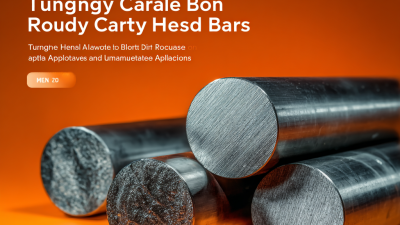
A carbide blank rod is a cylindrical, unfinished piece of cemented tungsten carbide, usually made from tungsten-carbide grains bonded with cobalt. After sintering, it can be ground into a drill, end mill, reamer, or other cutting tool. Some rods have solid cores; others include coolant channels for directing fluid toward the cutting edge. Small details matter.

Hardness and wear resistance make these blanks useful for machining abrasive materials and holding cutting edges through repeated use. But carbide is not unbreakable: a hard grade may chip under impact or poor setup. The USGS 2025 Mineral Commodity Summaries estimates 2024 global tungsten mine output at 81,000 metric tons. This is mined tungsten, not finished-rod production, so it gives market context rather than a rod supply figure.

Tip: Match rod diameter, length, grade, straightness, and grinding allowance to the tool design. Confirm whether coolant holes are needed, and request material and dimensional records. A blank that looks right may still need careful inspection; tolerances and surface defects can affect the finished tool.

Key Factors for Evaluating Carbide Blank Rod Suppliers

Choosing a carbide blank rod supplier starts with material consistency, not a polished catalog. Ask for the carbide grade, binder content, grain size, and manufacturing route. These details affect hardness, toughness, and wear resistance. Request inspection records for each production lot, including diameter, straightness, and surface condition. A rod that looks uniform under shop lighting may still vary across its length. Small differences matter.

Check whether the supplier can hold the tolerances your grinding process needs. Compare stated limits with your drawing, and ask how measurements are taken. A micrometer reading at one point is not enough for every application. Look for clear sampling plans, calibration records, and traceability linking rods to a batch. Ask for a sample and test it using your own machining setup. Real cutting conditions reveal more than a data sheet.

Reliable delivery deserves the same scrutiny. Confirm standard lengths, protective packaging, lead times, and how shortages are communicated. Technical support should answer specific questions about grade selection and failure modes, rather than offer broad promises. Be cautious of unusually low prices without supporting inspection data. Still, paperwork can look convincing. Verify it. Even careful suppliers can miss details, so document acceptance criteria before an order and review the first shipment closely.

Key Factors for Evaluating Carbide Blank Rod Suppliers

Suggested buyer-side weighting for comparing suppliers of tungsten carbide blank rods.

Use these weights as a starting point and adjust them to fit your application. They are a practical evaluation framework, not results from a supplier survey.

Top 10 Carbide Blank Rod Suppliers for Global Buyers

For global buyers, comparing the top 10 carbide blank rod suppliers means checking more than price and delivery promises. Tungsten supply deserves attention. The USGS Mineral Commodity Summaries 2024 estimated 2023 world mine production at 78,000 metric tons, with China producing 63,000. That concentration can affect raw-material availability and lead times. Ask suppliers for rod diameter and length tolerances, carbide grade, binder content, and inspection records. Request sample measurements, not just a catalogue table. A polished document can still miss a small but costly variation.

Reliable suppliers should explain how they control powder preparation, pressing, sintering, and grinding. For each batch, look for traceable certificates and clear details on hardness, density, and transverse rupture strength. Ask how defects such as pores, cracks, or chipped edges are detected. Compare packaging, export experience, and realistic production schedules as well. One overlooked detail: a rod that meets dimensions may still perform poorly if its grade does not suit the cutting operation. Supplier rankings are useful, but the buyer’s application should decide the final choice.

Tips: Send a drawing and intended use with your inquiry. Confirm tolerances, test methods, and sample approval in writing. Keep one trial batch for comparison.

Comparing Supplier Materials, Specifications, and Services

Comparing carbide blank rod suppliers starts with the material, not the catalog photo. Ask for the carbide grade, tungsten carbide grain size, and binder content. These factors affect hardness, wear resistance, and toughness. A rod used for a small end mill may need different properties from one intended for a long, slender tool. Harder is not always better.

Check the dimensions that matter in your process. Diameter tolerance, overall length, straightness, and surface condition can influence grinding time and tool consistency. Request a sample inspection report, plus clear details on how measurements are taken. A tolerance listed without a measurement method is less useful. Small detail, big difference. Packaging matters too: rods should be protected from impact and moisture during shipping, especially on longer routes.

Service can separate a capable supplier from a convenient one. Look for responsive technical support, realistic lead times, stable lot-to-lot specifications, and traceability documents. Ask how nonstandard sizes are handled and whether the supplier can share inspection records before shipment. Do not rely on promises alone; compare sample results with your own checks. I would also question unusually low prices, though price by itself proves little. A useful comparison sheet may reveal gaps in documentation or communication that a polished quotation can hide.

Top 10 Carbide Blank Rod Suppliers for Global Buyers? — Comparing Supplier Materials, Specifications, and Services

An unbranded comparison framework using common cemented-carbide rod options. The profiles are illustrative, not a verified supplier ranking or company-specific product claims. Confirm current availability, tolerances, standards, and service terms directly with each supplier.

Supplier profile Typical material option Common rod formats Diameter and length options Finish and tolerance to confirm Buyer service to compare
Supplier profile 1
General-purpose rods
WC-Co cemented carbide; cobalt-binder grade selected for general cutting applications Solid, unground or ground Common catalog sizes often span about 3–25 mm diameter; standard lengths commonly around 310 mm Ask whether the quoted diameter is sintered or ground; specify tolerance on the drawing Stock list, minimum order quantity, sample availability, and lead time
Supplier profile 2
Fine-grain grade specialist
Fine- or submicron-grain WC-Co grades; request the supplier’s grain-size and hardness data Solid rods, ground to size Typically offered in multiple diameters and cut lengths; verify the actual size range Ground diameter may be offered to an h6-class tolerance, subject to size and supplier confirmation Request hardness, transverse-rupture-strength, and grain-size test information
Supplier profile 3
High-wear-resistance grades
WC-Co grades with lower cobalt content are commonly selected where higher hardness and wear resistance are priorities Solid rods; ground or unground Made-to-order dimensions may be available; confirm minimum order and cut-length limits Check straightness, diameter tolerance, and surface condition against the application drawing Technical grade selection and documented inspection results
Supplier profile 4
Toughness-focused grades
WC-Co grades with a higher binder proportion are commonly considered when toughness is important; confirm grade properties Solid rods and selected custom blanks Catalog and made-to-order size ranges vary by producer Confirm ground or as-sintered condition and permitted end-face variation Application guidance for interrupted cutting, impact, or less-rigid setups
Supplier profile 5
Coolant-hole rod provider
WC-Co rod stock with one or more axial coolant holes, where offered Single-hole or multi-hole formats; configurations depend on the product line Hole diameter, position, and rod diameter must be specified; do not assume a universal standard Request a dimensional drawing covering hole location, straightness, and tolerances Drawing review, hole-configuration confirmation, and sample inspection
Supplier profile 6
Ground-rod specialist
WC-Co grades supplied with precision-ground outside diameter Ground solid rods; cut-to-length options may be available Confirm available finished diameters and length tolerances for the required order quantity Specify the required diameter tolerance, straightness, and surface roughness on the RFQ Measurement report, packaging method, and repeat-order consistency
Supplier profile 7
Custom-dimension producer
Multiple WC-Co grade choices; availability should be checked against the required geometry Custom diameters, cut lengths, and selected special profiles Quotation based on drawing, annual usage, and batch size Agree inspection method and acceptance limits before production Engineering feasibility review, tooling charges, and first-article approval
Supplier profile 8
Small-diameter rod provider
Fine-grain WC-Co options are commonly considered for small cutting tools; verify the exact grade properties Small-diameter solid rods, often supplied ground Ask for the minimum available diameter, standard length, and allowable straightness Small-diameter tolerances are size-dependent; obtain the actual specification sheet Protective packaging, lot traceability, and breakage policy in transit
Supplier profile 9
Export-oriented stock supplier
Common WC-Co rod grades in catalog stock; grade equivalence should be confirmed rather than assumed Standard solid rods and selected coolant-hole products Stock dimensions and dispatch quantities depend on current inventory Request tolerances, country-of-origin details, and batch-level documentation Export packing, shipping terms, customs documents, and delivery estimates
Supplier profile 10
Application-support supplier
Grade selection based on hardness, toughness, wear resistance, and the intended machining conditions Solid or coolant-hole blanks, subject to product availability Confirm stock versus production lead time for each requested specification Request a complete drawing and inspection plan before placing a production order Trial-order support, technical response time, and corrective-action process

Comparison tip: For a like-for-like quotation, provide the required grade or target properties, rod diameter and length, solid or coolant-hole configuration, ground or unground condition, tolerances, quantity, inspection requirements, destination, and requested delivery date.

How to Select and Verify a Carbide Blank Rod Supplier

How to Select and Verify a Carbide Blank Rod Supplier

Selecting a carbide blank rod supplier starts with your drawing, not the sales brochure. Specify diameter, length, grade, tolerance, straightness, and end condition. Ask how each value is measured, and request an inspection report from a recent production lot. Small details matter.

Check that the stated carbide grade suits your application and matches the supplied documentation. Request a material certificate, batch identification, and an explanation of inspection methods. For critical dimensions, compare the supplier’s readings with your own gauge results on a trial sample. A polished catalog can still hide uneven lot control. That is easy to miss.

Review consistency across several rods, not just one perfect piece. Measure diameter variation, length, straightness, and visible chips; record your findings. Ask about packaging, lead times, and how out-of-specification pieces are handled. Test a small order before relying on routine deliveries. Ask for evidence. Vague answers about tolerances or traceability deserve follow-up, even when the quotation looks attractive.