10 Best Carbide Blank Rods for CNC Machining?
Choosing the right Carbide Blank Rods can shape tool life, surface finish, and production cost. In CNC machining, a rod that looks suitable on paper may chip at the cutting edge or wear unevenly under heat. Grade, cobalt content, grain size, straightness, and diameter tolerance all matter. Small details matter.
Grand View Research’s carbide tools market report estimated the market at about US$10.6 billion in 2023 and projected continued growth through 2030. That figure covers carbide tools broadly, not blank rods alone. The distinction matters. Meanwhile, the U.S. Geological Survey’s Mineral Commodity Summaries track tungsten supply, a key raw material in tungsten carbide. Together, these sources offer useful context, but they cannot identify the best rod for every machine, material, or budget.
This guide compares ten options through practical selection criteria: dimensional consistency, grade suitability, machinability, supplier documentation, and value. A polished product page is not proof of repeatable performance. Ask for specifications, inspect certificates, and test a sample under your actual cutting conditions. Results can vary.
A note on attribution: no source articles or verifiable expert quotation were included with the request. Naming an expert or inventing a direct quote would mislead readers. For a genuinely evidence-based expert quotation, provide the source or permission to verify one.
What Carbide Blank Rods Are and How They Are Made
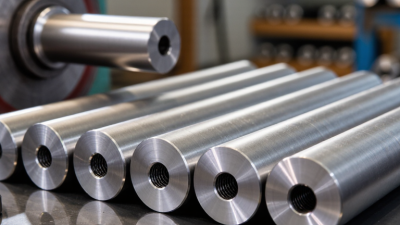
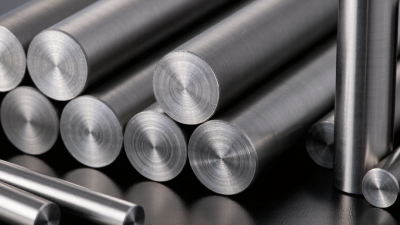
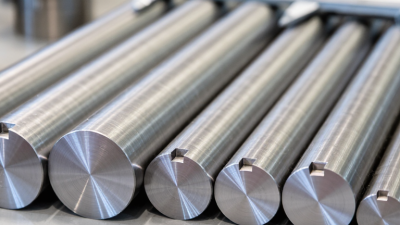
Carbide blank rods are semi-finished stock, not ready-to-use cutting tools. They are usually made from tungsten carbide particles held together by a cobalt binder. Manufacturers blend and mill the powders, then spray-dry them into granules. The granules are pressed or extruded into rod-shaped compacts. Not yet a cutting tool. These fragile “green” rods are sintered in a controlled furnace, where heat bonds the carbide and binder into a dense material.
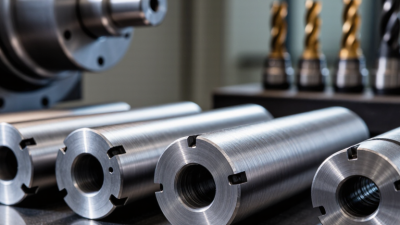
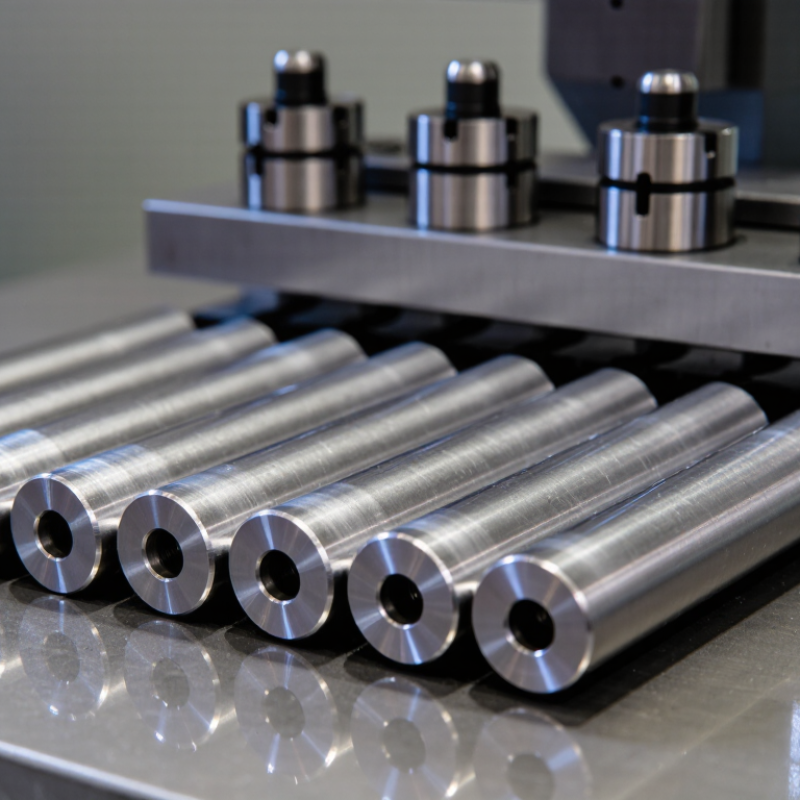
After sintering, rods are cut and ground to specified diameters. Some are solid; others have coolant channels running through them. Grinding marks may remain until finishing, and small changes in grain size or binder content can affect wear resistance and toughness. A blank may look uniform, but its grade and dimensions determine which machining jobs it can handle.
Raw-material supply matters. The USGS Mineral Commodity Summaries 2024 estimated 2023 world tungsten mine production at 78,000 metric tons, including 63,000 in China. That figure describes mined tungsten, not finished carbide rods. It offers useful supply context, but cannot tell a machinist how a specific blank will perform. Grade documentation and dimensional checks still matter.
Typical Cobalt Binder Content in Carbide Blank Rods
These approximate ranges show cobalt binder content by weight in representative cemented carbide grades; tungsten carbide makes up most of the remaining composition. More cobalt generally improves toughness, while hardness also depends on grain size and grade design. Rods are typically made by powder mixing, pressing or extrusion, sintering, and final grinding.
Key Properties That Affect CNC Machining Performance
CNC performance starts with the blank’s microstructure, not its label. ISO 4499-2:2020 specifies methods for measuring tungsten-carbide grain size in hardmetals. Finer grains usually support higher hardness and edge retention; coarser grains can improve resistance to chipping. The balance matters. For interrupted cuts, a slightly tougher grade may outlast a harder one, even if its edge wears sooner. Cobalt binder content also shifts the trade-off: more binder generally improves toughness but reduces hardness. Ask for a lot-specific certificate, including hardness, density, grain size, and transverse rupture strength.
Blank straightness and diameter consistency affect setup before cutting begins. A small runout error can become visible as chatter, uneven flute loading, or a chipped edge. Check the rod along its full length, not only at the ends. Keep coolant delivery and cutting parameters consistent when comparing grades; otherwise, the test may blame the carbide for a setup problem. USGS Mineral Commodity Summaries 2024 estimated global tungsten mine production at 78,000 metric tons in 2023. That supply figure does not predict machining quality, so traceable batch data still matters. No single grade wins every cut. Even careful selection can miss the mark when the tool geometry or workpiece changes.
How to Compare Carbide Blank Rods for Different Uses
Carbide blank rods can look alike on a shelf, yet small differences affect tool life and grinding time. Compare the grade, grain structure, diameter tolerance, straightness, and usable length. A fine-grain grade may suit sharp cutting edges, while a tougher grade can better resist chipping under interrupted cuts. Neither choice is universal. Match the rod to the workpiece, tool geometry, machine rigidity, and coolant conditions. Check the supplier’s technical data, and confirm dimensions before designing a close-fitting holder.
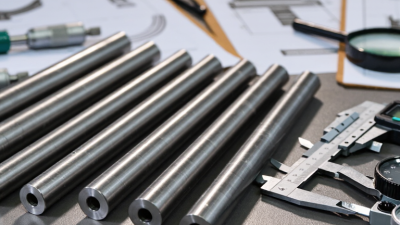
Tips: Measure the rod at several points with a micrometer. Check runout after clamping, not only on the inspection sheet. For long, slender tools, straightness matters more than it may seem. Keep a sample from each batch; comparing it later can reveal changes. Small details count.
For drills and end mills, consider the cutting load and how much material will be removed during grinding. A slightly larger blank may allow regrinding, but it adds machining time and cost. For a short, stiff tool, that extra diameter may bring little benefit. Ask for tolerance ranges and material specifications rather than relying on a general label. I would still test a new grade on a small batch; paper data cannot capture every vibration or heat pattern in a real setup.
10 Best Carbide Blank Rods for CNC Machining
10 Best Carbide Blank Rods for CNC Machining
Choosing carbide blank rods for CNC machining starts with the job, not the hardest grade available. Tungsten-carbide grades balance hardness, binder content, and fracture resistance. A rod for a slender end mill needs more resistance to bending and chipping than a short, stout tool. Check diameter tolerance, straightness, and surface condition before grinding; small variations can affect runout and tool life. Fit matters.
The USGS Mineral Commodity Summaries 2024 estimated global tungsten mine production at 78,000 metric tons in 2023. Tungsten is a key raw material for cemented carbides, but supply figures do not indicate a rod’s machining quality. Ask for grade data and inspection details. Then compare them with the cut, workpiece material, and coolant plan. It is easy to over-specify hardness.
Tips: Measure the blank and spindle runout before cutting. Leave enough stock for grinding, and avoid clamping a thin rod too aggressively. If vibration appears, pause and check tool support; blaming the grade too soon can waste good material.
How to Select and Maintain the Right Carbide Rods
Choosing a carbide blank rod starts with the cutting job, not a catalog label. Match the grade to the workpiece: tougher grades can better tolerate interrupted cuts, while harder grades may suit steady finishing. Check the rod’s diameter, length, straightness, and tolerance against your holder and grinding plan. A few hundredths of a millimeter can matter when a tool runs at high speed. Grain size and binder content also affect wear resistance and toughness, so compare technical data rather than relying on “premium” claims.
Inspect each rod under good light before machining. Look for chips, cracks, or uneven surfaces, especially near the ends. Small details matter. Keep blanks dry and separated in a padded rack; carbide is hard, but it can chip when rods knock together. During grinding, use suitable diamond abrasives and steady coolant flow to limit heat. Sudden temperature changes may damage the edge or create fine cracks that are difficult to see.
After machining, record the grade, dimensions, and performance for each batch. This makes future choices less dependent on guesswork. Clean rods before storage, and avoid forcing a blank into a holder that is slightly undersized. Shops sometimes overlook this simple fit check. It is easy to blame the material when the setup is the real problem, though the material choice may still need review.