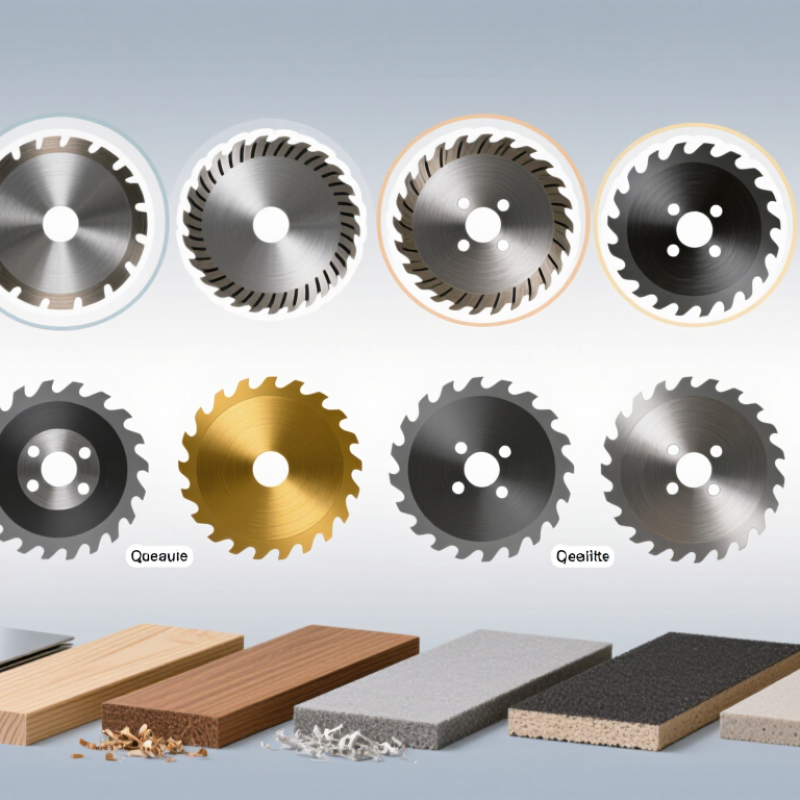
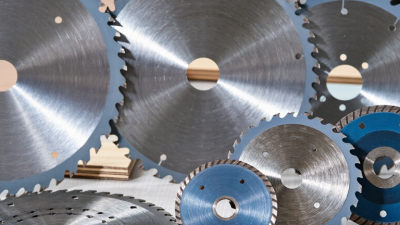
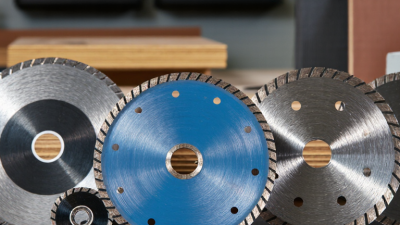
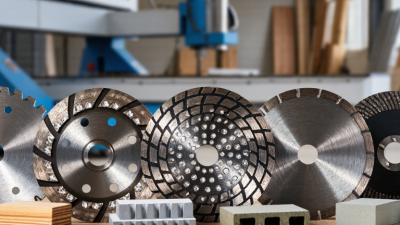
Circular Blades may look simple on a supplier’s shelf: a steel disc, sharpened teeth, and a clean finish. In operation, small details matter. Tooth geometry, carbide grade, runout, coating, and bore tolerance can change cut quality, blade life, and machine stability. A blade that performs well on thin aluminum may struggle with dense hardwood or abrasive composites. Buyers need more than a low unit price.
This guide compares ten suppliers for global buyers, focusing on product range, customization, quality controls, technical support, and export experience. It also highlights practical checks: ask for material specifications, sample cuts, tolerance data, and clear guidance on sharpening. One caution: supplier claims should be checked against your own material and machine. A polished catalog is not a test result. Small details can disappoint.
No source material was provided for a verifiable quotation from a named Circular Blades industry expert, so attributing one here would risk inventing a statement. A useful editorial principle is: “Choose the blade for the cut, not just the catalog.” It is simple, perhaps too simple—but it keeps the buying decision tied to real operating conditions. Compare suppliers carefully, and treat performance promises as questions to verify.
Circular blades are rotating cutting tools with a toothed or abrasive edge, selected to suit the material and the production task. Their body, diameter, tooth geometry, and cutting speed all affect the result. A fine-tooth blade can leave a smoother edge on thin sheet, while widely spaced teeth help clear chips from thicker stock.
Small details matter.
In metal fabrication, suitable blades cut tubing, profiles, and sheet with controlled feed and secure workholding. Woodworking operations use different tooth patterns for ripping, crosscutting, or trimming panels. In plastics and packaging, blade choice can reduce burrs, melting, and material waste.
Heat changes everything.
Cooling, feed rate, and sharpness influence cut quality, though the best settings vary with the machine and material. Buyers should match blade diameter, arbor size, and rated speed to the equipment, then confirm compatibility with the intended material. Tooth count alone is not a reliable selection rule. A blade that cuts cleanly on one line may perform poorly on another. Operators can inspect for missing teeth, unusual vibration, and heat discoloration before use. Even careful maintenance cannot compensate for a mismatched blade. I would treat trial cuts as useful evidence, not as a universal specification.
Start with the cut, not the catalogue. Ask suppliers to identify the blade’s intended material, machine speed, feed rate, and cut tolerance. A blade that performs well on thin sheet may wander or overheat in a dense workpiece. Request material certificates, tooth-geometry details, and measured runout for the specific blade size. Small details matter. The World Steel Association reported 1.89 billion tonnes of crude steel production in 2023, but broad steel output does not guarantee consistent blade-grade stock. Ask how incoming steel is checked and whether heat treatment is documented.
Then test evidence, not promises. Request sample blades and compare cut width, burr formation, temperature, and service life under the same operating conditions. ISO’s 2022 Survey of Certifications recorded 1,265,216 ISO 9001 certificates worldwide; certification can indicate a quality-management system, but it does not prove a particular blade will meet your tolerances. Check inspection records, batch traceability, packaging, replacement terms, and realistic lead times. A neat certificate is helpful, not proof. I would also ask how the supplier handles a failed trial; answers can be less polished, but often more revealing.
Use these criteria to compare suppliers. The table is an evaluation framework, not a ranking of named companies; specifications should be matched to the material, machine, and application.
| No. | Evaluation factor | What to verify | Why it matters |
|---|---|---|---|
| 1 | Application and material expertise | Confirm experience with the intended workpiece—such as wood, metal, or plastic—and ask for recommendations covering blade material, tooth geometry, and cutting conditions. | Blade design depends on the material and cutting operation; a suitable configuration helps achieve the required cut quality and service life. |
| 2 | Product range and customization | Check whether the supplier can meet the required outside diameter, bore, thickness, tooth count, kerf, and other drawing specifications. Ask how custom orders are reviewed and approved. | Correct dimensions and machine compatibility are essential for installation and intended operation. |
| 3 | Material and construction details | Request the specified blade-body and cutting-edge materials, coating details if applicable, and documentation that links supplied products to the agreed specification. | Blade-body and tooth materials influence properties such as wear resistance, toughness, and suitability for a particular cutting task. |
| 4 | Quality management | Ask about the quality-management system, inspection procedures, handling of nonconforming products, and whether certification can be verified for the relevant manufacturing site. | Documented controls can support consistent production and help identify and resolve quality issues. |
| 5 | Dimensional and performance inspection | Agree on the dimensions and acceptance criteria to be inspected. Request sample inspection records or test reports relevant to the ordered blade and application. | Clear, agreed criteria make incoming inspection and supplier comparisons more meaningful. |
| 6 | Safety and applicable standards | Identify the standards and safety requirements applicable to the blade type, machine, and destination market. For woodworking tooling, ask whether EN 847-1 applies to the product and request supporting documentation where relevant. | Requirements depend on product category and jurisdiction; buyers should verify applicability rather than assume one standard covers every blade. |
| 7 | Sample and application testing | Request samples or a controlled trial using the intended machine, workpiece, and operating conditions. Record cut quality, process stability, and blade life using agreed measures. | Application testing helps determine whether a blade performs as required in the buyer’s actual process. |
| 8 | Traceability and documentation | Check whether orders can be linked to batch or lot records and whether the supplier provides clear specifications, inspection documents, and product identification. | Traceability supports investigation of defects and confirmation that repeat orders match the approved specification. |
| 9 | Production capacity and delivery reliability | Confirm realistic lead times, minimum order quantities, available production capacity, order-status communication, and contingency plans for supply interruptions. | Reliable planning helps buyers manage inventory and reduce the risk of production delays. |
| 10 | Total cost and after-sales support | Compare quoted price alongside shipping, packaging, duties where applicable, expected usable life, sharpening or maintenance options, warranty terms, and response to technical or quality claims. | A purchase decision based on total operating cost and support can be more useful than comparing unit price alone. |

Note: Confirm all dimensions, operating limits, safety requirements, and acceptance criteria with the blade supplier and machine manufacturer before purchase or use.
Top 10 Suppliers of Circular Blades for Global Buyers
How Global Buyers Compare Manufacturing Capabilities and Quality
Comparing circular-blade suppliers takes more than checking price and delivery time. Buyers should review steel traceability, heat-treatment controls, edge geometry, and inspection records. Ask how each supplier measures blade runout and maintains tolerances across production batches. The ISO Survey 2022 reported 1,265,216 ISO 9001 certificates across 189 countries. This shows how widely quality-management systems are used, but certification alone does not verify cutting performance. A certificate is not a sharp edge.
Reliable comparisons use the same drawing, material requirements, and test conditions for every supplier. Request sample inspection reports, hardness results, and lot traceability records. Then compare cutting tests using the intended material and operating conditions. Look for consistent cuts, low vibration, and predictable wear—not just a polished sample. Small differences matter. A slight change in bore fit or edge profile can affect installation and performance. Paperwork helps, but real production samples matter too; even careful buyers can overlook a detail.
Tips: Share your application, blade dimensions, and target material before requesting quotations. Ask suppliers to explain their measurement methods, not only provide pass-or-fail results. Keep one approved sample for future batch comparisons.
Common nominal blade diameters provide a practical reference when buyers assess a supplier’s tooling range and dimensional inspection capability.
The sizes shown are commonly available nominal diameters; inch equivalents are calculated from millimeters. Confirm the required diameter and applicable tolerances with each supplier. The chart does not represent or rank individual companies.
A useful top-ten supplier shortlist should compare manufacturing capability, not just price or catalogue size. Circular blades may look similar on a screen, yet a small change in bore size or tooth geometry can affect cutting quality. Ask suppliers to confirm outer diameter, thickness, kerf, material, and machine compatibility in writing. Fit matters.
For wood, metal, plastics, or food processing, the blade’s grade and tooth design should match the material and operating speed. Request technical drawings, tolerance details, and sample inspection data. Check how the supplier controls runout, balance, heat treatment, and edge finishing. Ask about batch traceability, protective packaging, and realistic production lead times. Evidence beats broad claims.
Global buyers should compare at least ten qualified suppliers using the same specification sheet. That makes quotations easier to assess and exposes missing details, such as unclear replacement support or inconsistent tolerances. Ask how defects are handled, and confirm that shipping documents suit your destination and purchasing process. A low quote can still cost more if blades arrive late or require rework. No supplier is perfect; even a careful evaluation can miss a process issue. Test a small batch under normal working conditions before committing to repeat orders.
When comparing circular blade suppliers, begin with the cutting task, not the catalogue image. Share the material, machine model, operating speed, and expected finish. Give exact dimensions, including outside diameter, bore, and blade thickness. Tooth shape and edge geometry can change cutting quality noticeably. Small details matter. Ask suppliers how they verify runout and balance, and request inspection records tied to the quoted specification.
Customization works best when drawings and sample blades are reviewed together. A sample may cut well on one machine but perform poorly under different feed pressure or material conditions. Specify the material grade, coating, tooth arrangement, and any required tolerance in writing. Ask whether changes affect minimum order quantities or production time. A polished sample is not proof of consistent batch quality. Request a production sample when the order is important.
For international purchasing, compare the full landed cost, not just the unit price. Confirm packaging protects the cutting edge from impact and moisture during transit. Clarify lead time, payment terms, shipping responsibility, and the documents provided for import processing. Ask how defects are reported and what evidence is needed for replacement. That can change. Time-zone gaps and unclear technical translations can slow resolution, so keep drawings, measurements, and approvals in one written record.